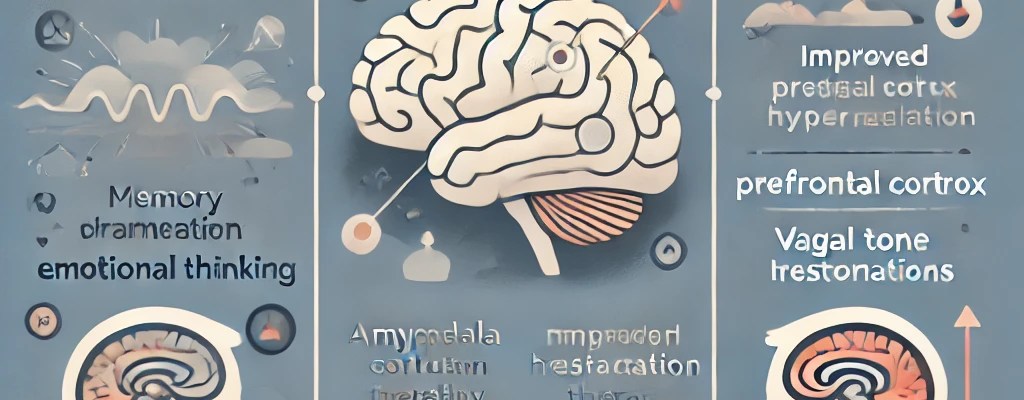
1. Acknowledge the Chemistry
- Recognize that feeling drawn to someone is normal brain chemistry (dopamine, oxytocin, and serotonin spikes).
- Feeling desire or attachment does not mean weakness — it’s your nervous system responding to novelty, bonding cues, or emotional reward.
- Key practice: name the physiological response: “My body is experiencing dopamine and oxytocin surges; this is normal.”
2. Name What They Symbolize
- Ask yourself: What am I really longing for?
- Love, passion, excitement, security, validation, freedom, or closure?
- Understanding the symbolic meaning helps separate the person from your needs, which strengthens self-awareness and reduces compulsive attachment.
- Key practice: write down the qualities you’re seeking in a journal instead of projecting them onto someone unavailable or unsafe.
3. Redirect Dopamine
- Attraction triggers dopamine-driven reward circuits. You can retrain your brain by substituting other activities that release dopamine.
- Examples:
- Exercise (cardio, strength, yoga)
- Creative work (painting, music, writing, coding)
- Learning new skills or hobbies
- Social engagement with supportive friends
- Key practice: schedule daily “dopamine redirects” to occupy reward pathways without relying on the person.
4. Practice Mindfulness
- Notice intrusive thoughts or mental loops about them without judgment.
- Gently redirect attention to the present moment (breathing, surroundings, task at hand).
- Over time, mindfulness weakens the compulsive attraction loop by reducing prefrontal suppression and retraining attention circuits.
- Key practice: try brief sessions of 5–10 minutes, gradually extending as you build skill.
5. Strengthen Emotional Boundaries
- Avoid exposure that triggers obsessive thoughts: social media stalking, private messaging, frequent checking.
- Reinforce internal boundaries: “I may feel drawn, but I don’t need to act.”
- Create a mental checklist of red flags or past harm reminders to maintain clarity.
6. Rebuild Self-Identity
- Focus on who you are independent of relationships:
- Reconnect with personal goals, hobbies, passions.
- Strengthen social networks that provide positive reinforcement and healthy attachment.
- Journal progress and reflections to track growth and autonomy.
7. Use Cognitive Reframing
- Recognize “fantasy vs reality”: your mind may amplify positive traits and minimize harm.
- Counter intrusive thoughts with reality checks:
- “I am healing; I don’t need to relive old patterns.”
- “This attraction is temporary chemistry; acting on it may impede recovery.”
8. Professional Support (Optional but Helpful)
- Therapy, trauma-informed coaching, or support groups provide:
- Tools for managing attachment chemistry
- Validation of your emotional experience
- Safe exploration of boundaries and self-reliance
Quick Daily Practice
- Morning: Name your body sensations and journal any urges.
- Midday: Redirect energy into dopamine-positive activity (exercise, creativity).
- Evening: Practice mindfulness and review your triggers, noting patterns.
- Weekly: Reflect on growth in autonomy, boundaries, and emotional regulation.
 Linda C J Turner | Trauma Therapist & Emotional Healing Specialist