Introduction
Abuse is often misunderstood in popular discourse as the result of stress, mental illness, or poor emotional regulation. Neuroscience and psychology research increasingly clarify that abuse is a conscious, deliberate behavior aimed at power and control rather than an accident or symptom. Understanding the underlying mechanisms helps survivors, professionals, and the legal system recognize patterns, predict risk, and design interventions.
1. Abuse is Not a Symptom of Mental Illness
- Evidence: Most perpetrators of emotional, psychological, or physical abuse do not meet criteria for a mental disorder.
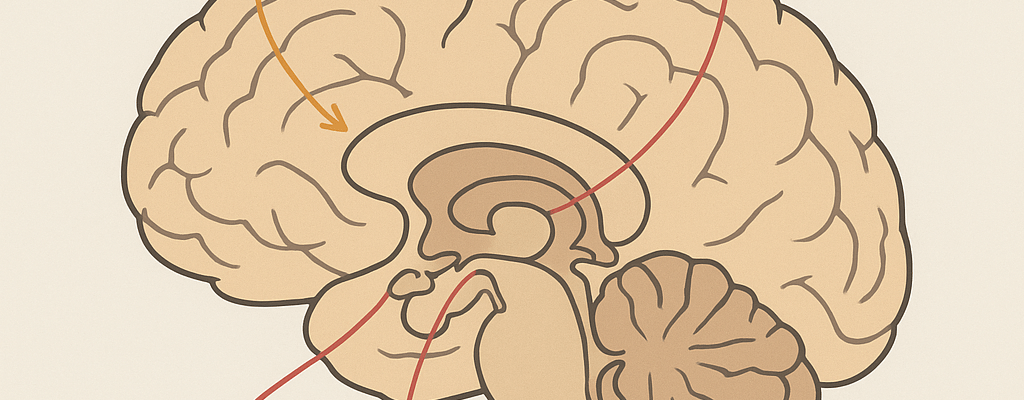
- Neuroimaging studies: Areas associated with moral reasoning (ventromedial prefrontal cortex) and empathy (anterior insula, anterior cingulate cortex) show reduced activation in abusers, but this is distinct from pathological mental illness such as depression or anxiety.
- Implication: Labeling abuse as a “mental health symptom” diminishes accountability and misrepresents the conscious nature of the act.
2. Abuse is Not a Result of Emotional Instability
- Abusive individuals often display calculated, goal-directed behaviors rather than impulsive outbursts.
- Machiavellian and psychopathic traits correlate with planning, manipulation, and strategic exploitation of vulnerabilities.
- Neuroscience insight: Abusers can have normal or even enhanced prefrontal cortex function, enabling careful planning of control strategies. Emotional volatility is not required to commit abuse.
3. Abuse is Not Caused by Stress, Alcohol, or “A Bad Day”
- While stress or substance use may lower inhibitions, research indicates that most abuse occurs as part of a pattern of coercion and control, not random reaction.
- Behavioral studies: Stress or intoxication can amplify existing traits, but it does not create abusive intent in otherwise non-abusive individuals.
- Neurocognitive perspective: The brain’s reward system (nucleus accumbens) can be activated by dominance and subjugation, reinforcing abusive behavior independently of stress or mood.
4. Neuroscience of Deliberate Abuse
- Reward system activation: fMRI studies show that some abusers experience pleasure when witnessing fear or distress in others. This includes activation of the ventral striatum/nucleus accumbens, the same pathway involved in reward from food, sex, or addictive substances.
- Empathy suppression: Reduced activity in anterior insula and medial prefrontal cortex correlates with diminished emotional concern for victims.
- Planning circuits: Prefrontal regions allow abusers to strategize, conceal their behavior, and manipulate social environments to maintain power.
Implication: Abuse is neurologically reinforced and consciously directed — a behavioral choice supported by reward mechanisms, not an accident.
5. Psychological Mechanisms
- Coercive control: Patterns of intimidation, isolation, financial manipulation, and emotional exploitation are deliberate strategies to dominate.
- Intermittent reinforcement: Abusers may alternate kindness with cruelty to strengthen victim dependency (similar to addiction cycles).
- Cognitive rationalization: Perpetrators justify their behavior, but research shows these justifications are post-hoc; the choice to harm was made deliberately.
6. Implications for Intervention
- Recognizing abuse as a pattern of conscious control shifts responsibility to the abuser, reducing victim-blaming.
- Legal perspective: Supports the use of coercive control laws, protection orders, and forensic documentation.
- Therapeutic perspective: Interventions focus on boundary-setting, safety, and trauma-informed care rather than attempting to “treat” the abuser’s personality.
- Education: Clarifies to survivors, families, and professionals that abuse is never justified by stress, mental illness, or temporary lapses.
7. Key Takeaways
- Abuse is a choice, not a symptom.
- Abuse is deliberate, goal-directed, and reinforced by brain reward pathways.
- Stress, alcohol, or emotional instability may amplify but do not create abuse.
- Neuroscience confirms the combination of reward, empathy suppression, and planning circuits underpins abusive behavior.
- Accountability is paramount: intervention, boundaries, and legal safeguards are the correct response.
References / Key Studies
- Blair, R.J.R., Mitchell, D.G.V., & Blair, K.S. (2005). The Psychopath: Emotion and the Brain. Blackwell.
- Buckels, E.E., Jones, D.N., & Paulhus, D.L. (2013). Behavioral confirmation of everyday sadism. Psychological Science, 24(11), 2201–2209.
- Stark, E. (2007). Coercive Control: How Men Entrap Women in Personal Life. Oxford University Press.
- Marsh, A.A., et al. (2011). Reduced amygdala response to fear in psychopathy: Contribution of personality traits to neural response patterns. Social Cognitive and Affective Neuroscience, 6(4), 494–501.
 Linda C J Turner | Trauma Therapist & Emotional Healing Specialist