That is a very common and deeply harmful dynamic in cases of gender-based violence. When family or friends prioritize reputation, image, or “keeping the peace” over your safety, it adds a layer of secondary abuse and isolation. Here’s a breakdown of what’s happening and why it’s damaging:
🔹 What’s happening
- Pressure to stay silent – You may be told things like:
- “Don’t cause a scene.”
- “Think of the family’s reputation.”
- “You’ll embarrass everyone.”
- Minimization or denial – Your experience is downplayed:
- “It’s not that bad.”
- “He didn’t mean it.”
- Blaming the victim indirectly – Suggesting that reporting will create more problems:
- “You’ll just make him angry.”
- “You’re overreacting.”
- Covering up – Family/friends may intervene in ways that protect the abuser, such as discouraging police involvement or withholding evidence.
🔹 Why it’s harmful
- Isolation – You feel alone and doubt your own perception of events.
- Delayed protection – Interventions from authorities or support services may be blocked or delayed.
- Reinforced abuse – The abuser benefits from the silence and lack of consequences.
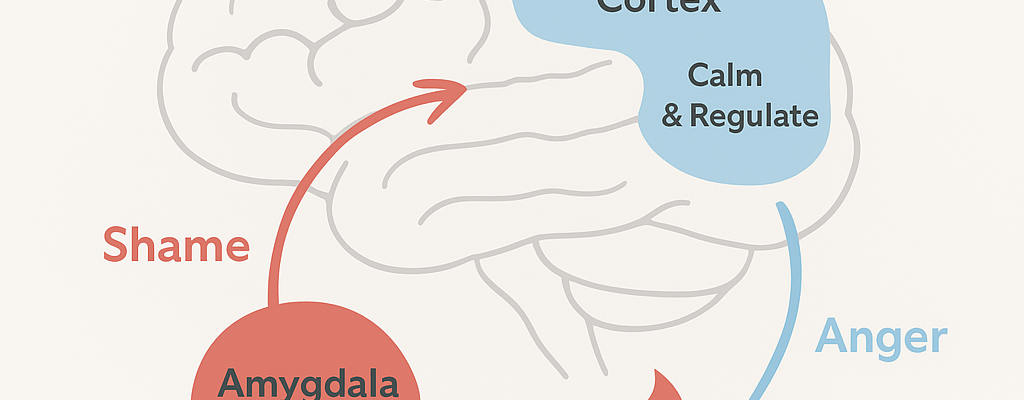
- Psychological impact – Leads to guilt, shame, confusion, and trauma.
🔹 Healthy ways to handle this
- Prioritize your safety over others’ image – Your life and wellbeing come first.
- Seek professional guidance – Contact police, social services, or organizations like:
- Spain: Delegación del Gobierno contra la Violencia de Género
- Teléfono de la Mujer: 016 (free, confidential, 24/7)
- Document evidence privately – Keep photos, messages, medical reports, receipts, and any records of abuse in a safe place.
- Find supportive allies – Friends, colleagues, or professionals who validate your experience rather than focus on image.
- Set boundaries with discouraging family/friends – You can assert:
- “I appreciate your concern, but my safety is my priority.”
💡 Insight: Families who discourage reporting are often acting out of fear or shame themselves, not concern for your welfare. Their reaction does not invalidate your experience or your right to protection.
 Linda C J Turner | Trauma Therapist & Emotional Healing Specialist