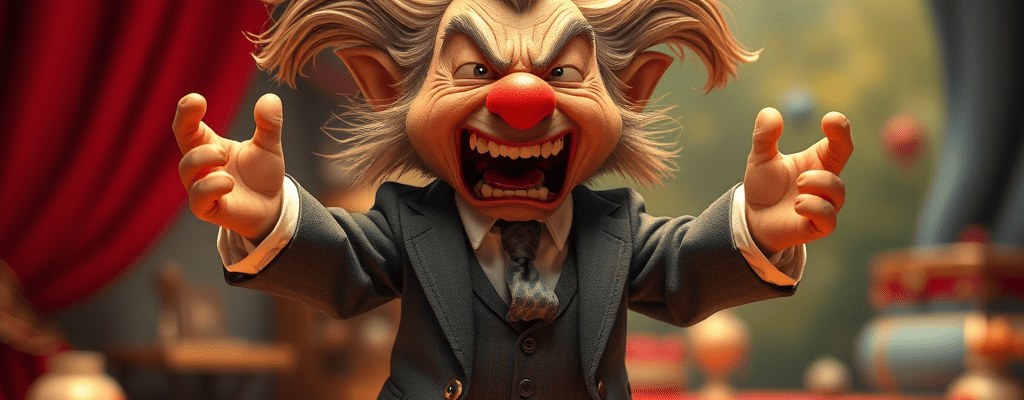
A Neuroscience Explanation of Intergenerational Harm**
When a boy grows up watching his father mistreat, belittle, or abuse his mother, the lesson is not just emotional — it is neurological. His brain wires itself around what he witnesses every day.
Neuroscience shows that children’s brains are shaped more by their environment than their genetics. So a father’s behavior becomes the blueprint for the son’s identity, relationships, and emotional regulation.
1. Modeling: The Brain Learns by Copying What It Sees
The human brain has a network called the mirror-neuron system, whose job is to absorb and replicate observed behaviour.
When a boy sees:
- yelling
- control
- threats
- violence
- disrespect
- emotional coldness
his brain concludes:
“This is how men act.”
“This is what power looks like.”
“This is how you treat women.”
Even if he hates the behavior, his brain still encodes it as “normal,” because it is familiar.
This is why sons of abusive fathers often grow up to either:
- repeat the abuse
or - choose partners who tolerate it
unless the cycle is broken intentionally.
2. Trauma Wiring: Abuse Reshapes the Stress System
Growing up in a violent or hostile home triggers chronic activation of the:
- amygdala (fear center)
- HPA axis (stress system)
- prefrontal cortex (decision-making and control)
This leads to:
- anger issues
- poor emotional regulation
- impulsivity
- hypervigilance
- fight/flight reactivity
- difficulty forming secure relationships
He learns aggression not only as a behaviour, but a state of nervous system survival.
3. Attachment Damage: He Learns Threat-Based Power
A boy looks at his father to understand masculinity.
If the father uses domination and fear to control the mother, the boy internalizes:
- love = control
- masculinity = aggression
- affection = authority
- disagreement = danger
His ability to form secure, healthy relationships later is compromised.
He may grow up believing:
- women are inferior
- anger is a valid communication style
- conflict must be won, not resolved
- vulnerability is weakness
This is not a belief — it’s a neural pathway.
4. Emotional Suppression Becomes His “Normal”
Abusive homes teach boys:
- don’t cry
- don’t show weakness
- don’t empathize
- don’t protect the mother
- don’t challenge the father
Suppressing emotions alters neural development.
Long-term consequences include:
- depression masked as aggression
- difficulty forming deep bonds
- inability to self-reflect
- shame turned into violence
His nervous system becomes skilled at survival, not connection.
5. Intergenerational Trauma: The Cycle Continues Automatically
The brain builds generational blueprints.
If a father abuses the mother, the son’s brain internalizes a relational model:
- dominance → male
- obedience → female
- love → fear
- conflict → violence
- intimacy → control
Unless he receives intervention, therapy, or a radically different relational example, he is statistically more likely to:
- become abusive
- become emotionally unavailable
- recreate the same dysfunctional homes
- pass trauma patterns to his own children
This is not fate — it’s conditioning.
6. The Biggest Truth: Silence Teaches Him Too
When the mother is abused and cannot leave or cannot defend herself, the son learns:
- women have no power
- suffering is normal
- men don’t have to be accountable
- violence has no consequences
Even her silence becomes part of his neural model of relationships.
This is why stopping the cycle is so difficult.
The lessons are unspoken but deeply encoded.
7. How It Affects Future Generations
Without intervention, a son from an abusive home often becomes:
- a father who repeats the cycle
- a partner who fears intimacy
- a man who sees empathy as weakness
- a parent who teaches his children the same emotional scripts
What he absorbs becomes the emotional DNA of the next generation.
In One Sentence
A father who abuses his wife teaches his son — through neuroscience, not words — that violence is power, women are objects, and love is something you control, not something you build.
 Linda C J Turner | Trauma Therapist & Emotional Healing Specialist