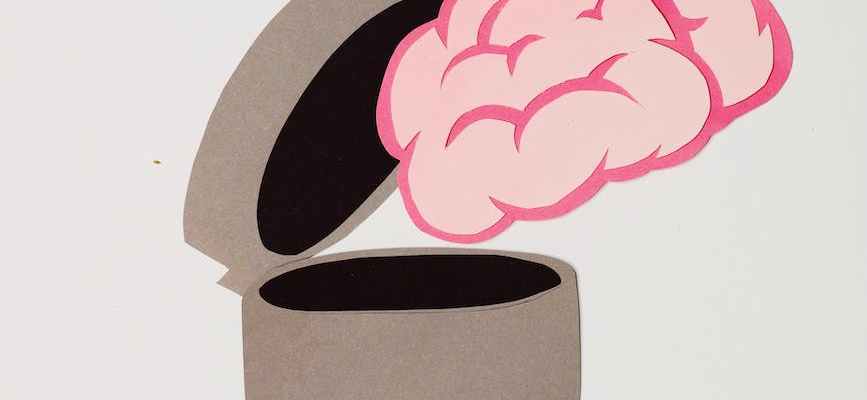
After a long marriage, the brain is neurologically wired for connection.
Years of partnership mean:
- Dopamine and oxytocin circuits have become deeply conditioned around that person.
- Daily routines, touch, and shared memories activate reward and attachment pathways.
When that bond breaks, the brain experiences a kind of withdrawal — similar to addiction withdrawal.
Loneliness and loss activate the anterior cingulate cortex and insula, regions also involved in physical pain.
So the person feels not just emotional emptiness — but real, neurological distress.
Jumping into another relationship can act as a dopamine replacement — a way to numb the loss and stimulate those reward circuits again.
💔 2. Emotional Avoidance vs. Emotional Processing
Psychologically, this often reflects avoidance of grief.
Ending a 32-year marriage creates an emotional vacuum — sadness, guilt, fear, identity crisis.
Instead of processing that loss, the person may bypass the grief through new attachment.
This is known as “affect regulation through substitution” — the brain replaces emotional pain with the dopamine high of novelty and validation.
It’s not necessarily malicious; it’s self-soothing through connection, even if it’s impulsive or premature.
🔍 3. Attachment Style Dynamics
Attachment theory explains this behavior very well:
| Attachment Style | Typical Behavior After Long Relationship Ends |
|---|---|
| Avoidant | Quickly replaces partner to avoid emotional depth; keeps feelings at surface level |
| Anxious | Seeks immediate reassurance and closeness to prevent feelings of abandonment |
| Secure | Takes time to reflect, grieve, and rebuild identity before reattaching |
So — someone who moves immediately into another relationship often leans toward anxious or avoidant attachment, not secure.
Their brain prioritizes closeness or distraction over emotional integration.
⚙️ 4. Neuroscience of “Rebounding”
When a new relationship starts, several neurochemical systems light up:
- Dopamine → pleasure, excitement, motivation (the “love rush”)
- Norepinephrine → alertness, euphoria, obsession
- Oxytocin & Vasopressin → bonding and security
These chemicals can suppress grief and mimic emotional healing — but it’s often temporary.
It’s like taking painkillers instead of treating the wound.
Eventually, the unprocessed emotional material resurfaces — sometimes months or years later.
🧩 5. Identity and Existential Void
After 32 years, one’s sense of self is intertwined with the relationship.
The brain literally encodes shared identity patterns — “we” instead of “I.”
When that’s gone, there’s a self-schema collapse:
“Who am I now, without this person?”
Jumping into another relationship quickly can be an identity repair strategy — the brain reattaches to someone else to restore a sense of continuity and purpose.
This is known in psychology as identity foreclosure — forming a new role before exploring your own.
🧬 6. The Deep Root: Fear of Emotional Void
At its core, moving straight into another relationship after decades often reveals:
- Low tolerance for solitude
- Emotional dependence masked as companionship
- Fear of facing internal emptiness or existential loss
- A need for external regulation (using another person to stabilize emotional state)
Neuroscientifically, the default mode network (DMN) — active during introspection — can be overwhelming after a breakup. Some people avoid this by staying externally focused (new partner, new stimulation).
💬 7. In Summary
When someone goes straight into another relationship after 32 years of marriage, it often signals:
| Layer | Explanation |
|---|---|
| Neural | The brain seeks dopamine and oxytocin to soothe withdrawal from attachment loss. |
| Emotional | Avoidance of grief and inner pain through substitution. |
| Psychological | Possible anxious or avoidant attachment pattern. |
| Identity | Attempt to restore a sense of self through connection. |
| Existential | Fear of solitude and confronting internal emptiness. |
It’s not always conscious manipulation — often, it’s the nervous system in survival mode, doing whatever it can to avoid emotional collapse.
 Linda C J Turner | Trauma Therapist & Emotional Healing Specialist
Let us see what love can do.
LikeLike
“I appreciate your visit! Hope you found something inspiring or useful here.”
LikeLike