This toolkit is designed for people healing from betrayal, abandonment, or relational trauma. Each step uses neuroscience and psychology to rewire fear circuits into pathways of safety.
1. Morning Reset: Train Your Nervous System for Safety
Why: The brain’s default mode network (rumination center) is most active in the morning. Starting with regulation shifts your baseline.
- 3-Minute Breathing Ritual → Inhale 4, hold 2, exhale 6. This engages the vagus nerve, lowering cortisol.
- Safety Statement → Say aloud: “Today I am safe. My body remembers fear, but I am teaching it calm.”Speaking engages the prefrontal cortex and reinforces new pathways.
- Gratitude Note → Write down 1 small evidence of reliability from your partner or yourself. Gratitude boosts dopamine and trains the brain to notice safety cues.
2. Midday Grounding: Interrupt the Stress Cycle
Why: Betrayal trauma can make the amygdala hypervigilant throughout the day. Midday resets prevent spirals.
- Orienting Exercise → Look around and name 5 things you see, 4 touch, 3 hear, 2 smell, 1 taste. This pulls the brain out of threat mode and into sensory presence.
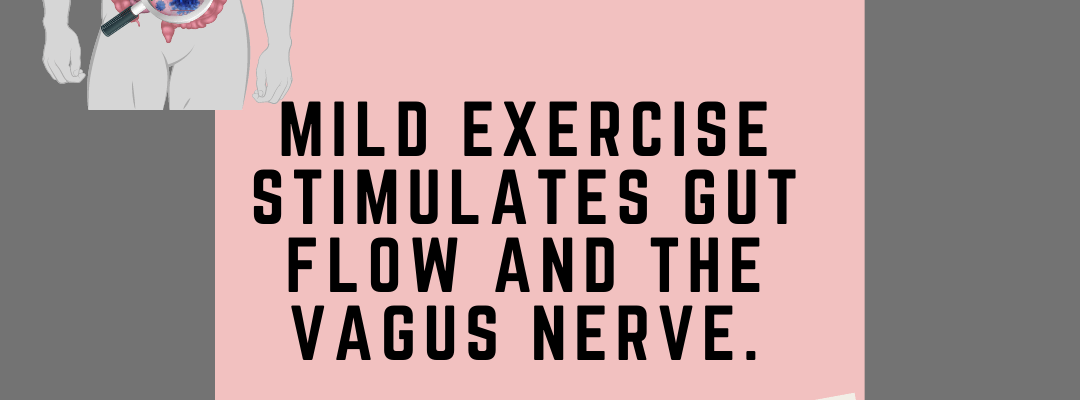
- Movement Break → A 10-min walk or stretch. Movement regulates the HPA axis and lowers cortisol.
- If Triggered: Place a hand on your chest and say: “This is my nervous system remembering. I am not in danger now.” Naming the state activates the prefrontal cortex and dampens the amygdala.
3. Communication Rituals with Partner
Why: Trust circuits strengthen through consistent relational data. Predictability = safety.
- Check-In Agreement → If going offline, partner sends a simple message: “I’ll be unreachable for the next 2 hours, back at 5.” This creates oxytocin-based reassurance.
- Evening Repair Space → 10 minutes to ask: “Did anything today feel activating?” Partner listens without defense, which teaches the nervous system: ruptures can be repaired.
- Transparency Practice → Partner shares small details (plans, changes, delays). This doesn’t mean surveillance — it means offering predictability, which calms uncertainty.
4. Evening Reset: Teach the Brain to Rest
Why: Betrayal often disturbs sleep, as the amygdala remains overactive. An evening wind-down reduces night panic.
- Digital Boundary → Switch off stimulating media 1 hour before bed (screens keep the amygdala activated).
- Body Scan or Progressive Relaxation → Slowly relax each muscle group, noticing sensations. This activates the insula (interoception), teaching the brain that the body can feel safe.
- Connection Ritual (if with partner): 2 minutes of nonsexual touch (holding hands, hug, or eye contact). This releases oxytocin, calming fear circuits.
5. Weekly Practices to Deepen Healing
- Mindfulness Training → 10 min daily meditation strengthens the prefrontal cortex, increasing control over fear responses.
- Therapeutic Journaling → Write about triggers and reframe them. This engages cognitive reappraisal, weakening old trauma scripts.
- Exposure to Uncertainty → Gently test small trust situations (partner delayed 5 mins, no instant reply). Afterwards, reflect: “Did danger happen, or was my brain predicting old pain?” This retrains the amygdala through extinction learning.
6. Self-Compassion as Neural Medicine
- Why it works: Self-compassion activates the parasympathetic system, lowering cortisol and increasing oxytocin.
- Practice: Place a hand on your heart and repeat: “It makes sense that I feel this. My brain is protecting me. I am learning new safety.”
7. Partner’s Role in Rewiring Trust
For healing to succeed, the partner’s consistency is key:
- Show up when you say you will → strengthens predictive safety circuits.
- Respond with patience, not defensiveness → reduces amygdala reactivity.
- Celebrate small wins (“I noticed you stayed calm when my phone was off — that’s progress”) → reinforces with dopamine.
🌱 The Takeaway
Rebuilding trust isn’t a matter of willpower — it’s about rewiring the nervous system.
Every breath, every compassionate response, every fulfilled promise is not just symbolic. It’s literal brain change.
- Old Pathways = fear, panic, abandonment.
- New Pathways = calm, safety, reliability.
Through daily practice and consistent love, the brain itself proves the most hopeful truth: trust can be rebuilt.


 Linda C J Turner | Trauma Therapist & Emotional Healing Specialist