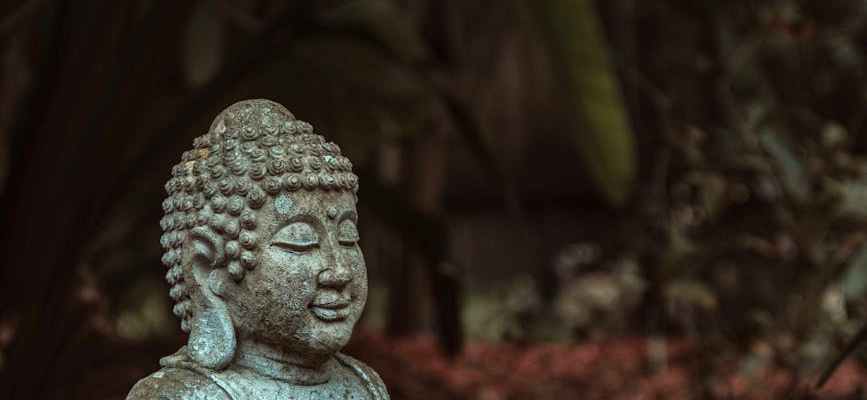
Buddhist teachings are rich, nuanced, and have evolved over more than 2,500 years, but at their core, they focus on understanding suffering, transforming the mind, and cultivating compassion and wisdom. Here’s a detailed overview:
1. The Four Noble Truths
These are the foundation of all Buddhist thought:
- Dukkha (Suffering or Unsatisfactoriness)
Life inevitably involves suffering: birth, aging, illness, loss, and disappointment. Even pleasure is temporary and tinged with impermanence. Recognizing this isn’t pessimism—it’s clarity. - Samudaya (Origin of Suffering)
Suffering arises from craving, attachment, and ignorance. Wanting things to be permanent or trying to hold onto things that change causes pain. - Nirodha (Cessation of Suffering)
It’s possible to end suffering by letting go of attachment and ignorance. This state is often called nirvana—freedom from the cycles of craving and dissatisfaction. - Magga (The Path Leading to Cessation)
There is a practical way to transform the mind and live in freedom: the Eightfold Path.
2. The Noble Eightfold Path
A practical guide for ethical living, mental cultivation, and wisdom:
- Right View – Understanding reality, impermanence, and the Four Noble Truths.
- Right Intention – Cultivating goodwill, harmlessness, and renunciation of harmful desires.
- Right Speech – Speaking truthfully, kindly, and usefully.
- Right Action – Acting ethically: not harming living beings, stealing, or engaging in sexual misconduct.
- Right Livelihood – Choosing a profession that doesn’t harm others.
- Right Effort – Developing wholesome states of mind and abandoning unwholesome ones.
- Right Mindfulness – Cultivating awareness of body, feelings, mind, and phenomena.
- Right Concentration – Deep meditation and mental focus to cultivate insight.
3. The Three Marks of Existence
Everything in life shares three essential qualities:
- Impermanence (Anicca) – All things change. Nothing is permanent.
- Suffering (Dukkha) – Attachment to impermanent things leads to dissatisfaction.
- Non-self (Anatta) – There is no fixed, permanent self. What we call “I” is a collection of changing physical and mental processes.
4. Karma and Rebirth
- Karma refers to intentional actions and their consequences. Good actions lead to positive results; harmful actions lead to suffering.
- Rebirth is the continuation of consciousness after death, shaped by karma. The ultimate goal is liberation from this cycle (samsara).
5. Meditation and Mind Training
Buddhism emphasizes direct experience and inner transformation through meditation:
- Samatha (Calm-abiding) – Cultivating concentration and mental stability.
- Vipassana (Insight) – Observing reality clearly to see impermanence, suffering, and non-self.
- Metta (Loving-kindness) – Developing unconditional compassion for oneself and others.
6. Compassion and Ethics
Buddhism teaches that ethical conduct is inseparable from wisdom. True spiritual progress includes:
- Practicing non-harm (ahimsa)
- Cultivating generosity (dana)
- Developing patience, truthfulness, and humility
- Acting with loving-kindness toward all beings
7. Schools and Variations
Buddhism is diverse:
- Theravāda: Focuses on individual liberation through mindfulness, meditation, and insight.
- Mahayana: Emphasizes compassion, the bodhisattva path, and universal liberation.
- Vajrayana (Tibetan): Combines meditation, rituals, and visualization practices to accelerate enlightenment.
In essence, Buddhism isn’t about belief in gods but about understanding the mind, reducing suffering, and awakening to reality as it truly is. Its teachings are practical: they offer tools for mental clarity, emotional resilience, and ethical living.

