I recently learned something that stayed with me. My first husband and his ex-wife have always remained friends after their divorce. Over time, more and more has come to light about the abuse she endured during their marriage.
One evening, while on a fishing trip, his son confided in me when his father had moved on to another lake. He shared details about what his mother went through — and it struck me deeply. The family knew. They had seen it. And yet, they chose to look away, as though it was easier to pretend it never happened.
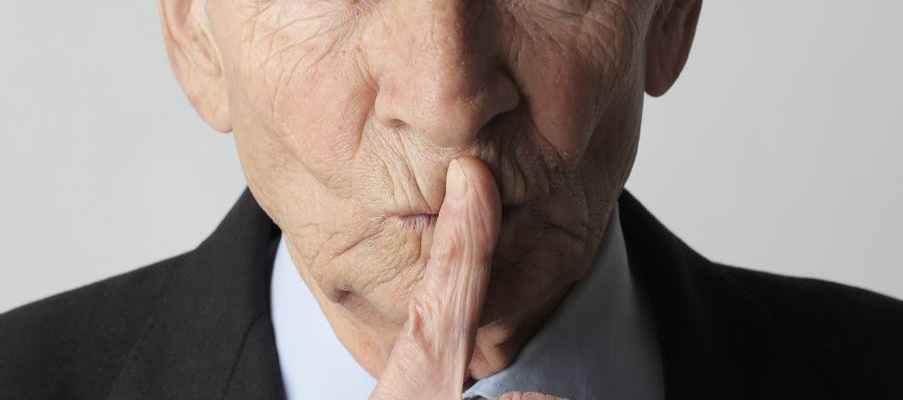
This is what psychology calls normalising abuse. When we minimise or deny harmful behaviours, when we tell ourselves “it’s not that bad” or “it’s better not to stir things up,” we silence the truth.
🧠 From a neuroscience perspective
Our brains adapt to survive. Children growing up around abuse often learn to suppress reality because it feels safer. The brain wires itself for silence — numbing emotions, pushing away empathy, or telling stories that excuse cruelty. Over time, this becomes a family script: we don’t talk about it.
💔 The psychological impact
- Abuse becomes “just how life is.”
- Children inherit confusion about love and safety.
- Boundaries blur — what should never be tolerated feels normal.
- In adulthood, the cycle repeats: partners chosen who echo the past, children raised in the same silence.
This is how generational abuse takes root — not always through new acts of violence, but through denial and silence.When trauma isn’t named, it festers in the nervous system, passing invisibly from parent to child.
✨ Breaking the cycle
Healing begins when someone dares to speak the truth: “This happened. It was not okay.”
Naming the reality out loud allows the brain to rewrite its wiring — a process neuroscientists call neuroplasticity. Each act of truth-telling creates a new pathway toward safety, empathy, and healthier relationships.
🌱 Families do not heal by keeping secrets. They heal by acknowledging them. Because silence protects the abuser — but truth protects the next generation.
 Linda C J Turner | Trauma Therapist & Emotional Healing Specialist