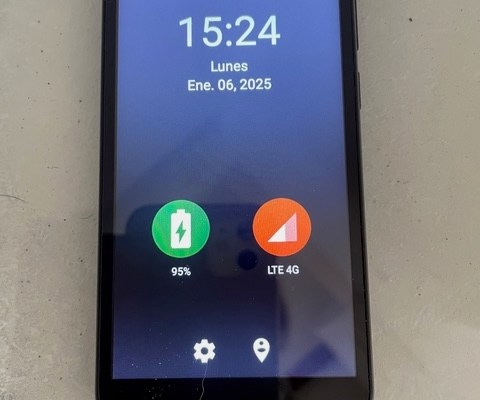
The Guardia Civil in Spain checks in on victims of domestic violence as part of a broader legal and protective framework designed to prevent further abuse, ensure safety, and offer emotional and practical support. Their involvement is not random or invasive—it’s part of Spain’s strong commitment to combating gender-based and domestic violence. Here’s a warm and thorough explanation of why they do it and what it typically involves:
💜 1. Protective Measures Ordered by the Courts
When a victim reports domestic violence, especially in severe or high-risk cases, the court often issues protective orders—this might include restraining orders, no-contact orders, or surveillance of the abuser. The Guardia Civil is tasked with enforcing these orders.
Their regular check-ins ensure:
- The perpetrator is complying with the legal restrictions.
- The victim is safe and has not been coerced into silence.
- There’s early detection if risk levels increase.
🛡️ 2. The VioGén System – A National Protection System
Spain has a unique and highly structured system called VioGén (Sistema de Seguimiento Integral en los casos de Violencia de Género). It coordinates law enforcement, courts, social services, and victim support centers.
Once a case is entered into VioGén:
- The Guardia Civil is alerted and assigned to monitor and protect the victim based on their individual risk level(low, medium, high, or extreme).
- They create a protection plan tailored to that risk.
Check-ins may include home visits, phone calls, or even surveillance depending on the situation.
🤝 3. To Offer Ongoing Support and Reassurance
These officers are not only enforcing the law—they are also often a point of emotional safety. They check in to:
- Offer reassurance that the victim is not alone.
- Encourage victims to report new incidents.
- Help victims navigate the system and feel protected enough to rebuild their lives.
Some officers receive specialized training in gender-based violence to ensure these visits are respectful, trauma-informed, and empathetic.
💬 4. To Prevent Retaliation or Escalation
The most dangerous time for a victim is often just after leaving an abusive relationship. Abusers may try to regain control through threats, stalking, or violence. Regular police presence:
- Deters the abuser from making contact.
- Sends a strong message that the victim is under protection.
- Creates a safer environment while the victim regains their independence.
🧩 5. Part of a Broader Community Support Network
In Spain, domestic violence is not considered a private issue—it’s a public one. Victims are offered support from:
- Social workers
- Psychologists
- Legal aid
- And the Guardia Civil, who serve as the link between victim safety and justice.
So, when the Guardia Civil checks in, it’s not to intrude—it’s because they care. Because the system recognizes that survivors often need ongoing, visible, and practical protection.
If you’ve experienced this or are helping someone who has, you’re not being watched—you’re being looked after. And for many survivors, just knowing that help is nearby can be a powerful part of the healing journey. 💪💜
Would you like help understanding the VioGén risk levels or what to expect during a check-in?
 Linda C J Turner | Trauma Therapist & Emotional Healing Specialist