The way Spain handles domestic abuse cases, especially through the VioGén system, is one of the most structured and proactive frameworks in Europe.
When someone reports domestic abuse, the police don’t just file a report — they carry out a risk assessment that directly determines what kind of protective measures are put in place. These are not one-size-fits-all solutions. The measures depend on the level of danger the victim is in, and they’re reviewed regularly.
Let’s break this down:
🔒 PROTECTIVE MEASURES ACCORDING TO RISK LEVEL
The risk levels determined by VioGén (No Risk, Low, Medium, High, and Extreme) guide how actively the police and legal system protect the victim.
🟢 LOW RISK:
Even at this stage, protection is provided.
- Police awareness: Officers are notified and keep an eye on the case.
- Information sharing: Victim is informed of their rights and available resources.
- Support contact: They are offered access to victim support centers.
- Restraining order (if requested or deemed necessary) — even at this early stage.
🟡 MEDIUM RISK:
More active measures kick in.
- Scheduled police follow-ups: Officers call or visit regularly to check in.
- Restraining order almost always granted: The abuser is legally barred from contacting or approaching the victim.
- Surveillance begins: The abuser’s movements may start to be monitored.
- Connection with psychological/social/legal support services (either through the local town hall or organizations like the “Oficinas de Asistencia a Víctimas del Delito”).
- Emergency phone numbers and protocols given to the victim, including immediate police contact lines.
🟠 HIGH RISK:
Protection becomes intensive and proactive.
- Frequent and unannounced police visits to ensure the victim is safe.
- GPS electronic monitoring of the abuser may be imposed.
- Special security protocols: Officers may be assigned specifically to the victim.
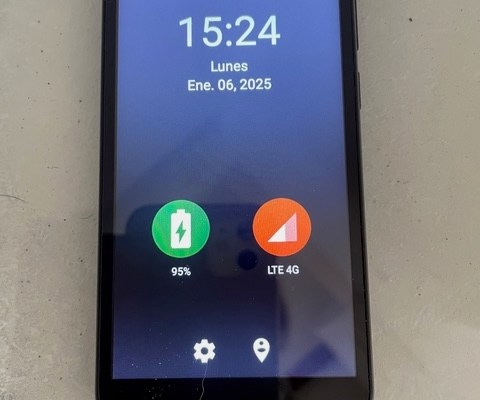
- Emergency alarms or panic buttons can be given to the victim (a mobile device with a direct alert system).
- Relocation assistance if the environment is too dangerous.
- Immediate psychological and legal support, often fast-tracked through victim protection programs.
- Child protection services become involved if children are at risk.
🔴 EXTREME RISK:
Every protective measure is activated to prevent imminent harm or femicide.
- 24/7 police protection, sometimes including bodyguards or escorts.
- Emergency sheltering or safe house relocation within hours.
- Immediate GPS tracking of the abuser (they may be fitted with an ankle bracelet to alert authorities if they approach the victim).
- Intensive monitoring of abuser’s digital and physical activity.
- Judicial fast-tracking: Cases at this level move quickly through courts to issue longer-term protection or detain the abuser.
- Dedicated victim officer/liaison, ensuring the survivor has one consistent point of contact.
- Coordination with health and mental health services, especially if trauma or severe psychological distress is identified.
📲 EMERGENCY DEVICES FOR VICTIMS
These are often given in Medium to Extreme cases:
- Panic Button Phone (“Teléfono de Emergencia”)
- A discreet mobile with a single function: calling for help. It sends a GPS location to police who respond instantly.
- Protection Bracelet for the Abuser
- A tracking bracelet worn by the aggressor that alerts police if they come near the victim or enter prohibited zones.
🧑⚖️ Legal Tools in Parallel
While protective measures are underway, the courts may issue:
- Restraining Orders (Orden de Alejamiento) – prohibits the abuser from coming within a certain distance.
- Communication Ban – the abuser cannot contact the victim by any means.
- Custody Measures – if there are children, temporary custody can be modified to protect them.
- Eviction from Shared Home – if the couple lived together, the abuser can be forced to leave immediately.
🌺 Emotional and Social Support
Police don’t work alone. They partner with organizations that provide:
- Therapy and trauma support
- Financial support for rent, transport, and legal fees
- Shelters and safe housing
- Help with employment or training (especially for women who are economically dependent on the abuser)
💬 Final Words
Spain recognizes that leaving an abuser is not just an emotional decision — it’s a dangerous one. That’s why these protective layers exist: to stop violence before it escalates, and to reassure the survivor that they are not alone. The VioGén system is constantly monitored and refined, and victims can even request re-evaluation if their circumstances change.
If you or someone you know ever needs support, you can reach out to:
- 016 – Spain’s national domestic violence helpline (free, confidential, and doesn’t show on bills).
- Your local Guardia Civil or Policía Nacional station.
- Women’s support centers (Centros de la Mujer) in your local area.
And if you’d like, I can help you locate resources or even draft a safety plan.
 Linda C J Turner | Trauma Therapist & Emotional Healing Specialist