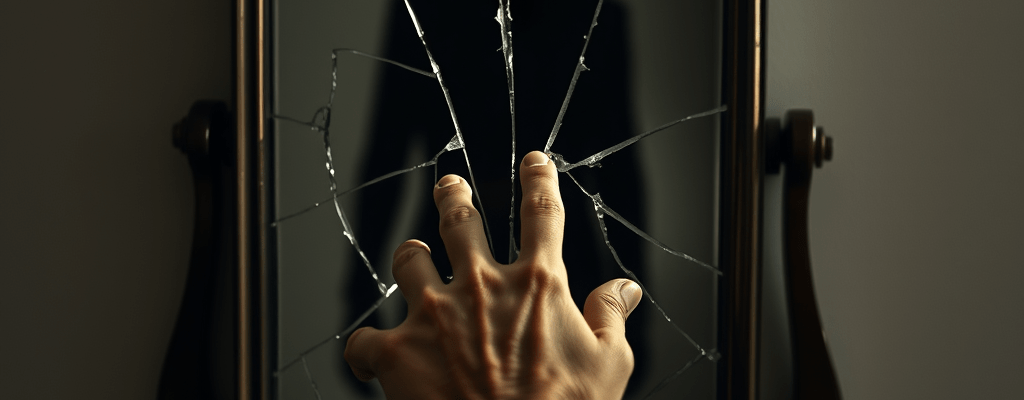
They Want to Break the Empath’s Spirit (Power & Control)
Manipulative and abusive individuals are not always impulsive or unaware of their behavior—many of them deliberately seek to destroy the spirit of kind and empathetic people. Their ultimate goal is to gain complete controlover the empath, making them easier to manipulate, exploit, and dominate. This process is often gradual, using tactics that chip away at the victim’s self-esteem, confidence, and independence.
Let’s go deeper into the psychological mechanisms behind this pattern.
1. They Slowly Chip Away at the Empath’s Identity
When a toxic person first meets an empath, they often admire and idealize them. They are drawn to their warmth, compassion, and strength. But once they gain control, they start tearing down the very qualities they once praised.
🔹 They Attack Kindness & Sensitivity
- “You’re too sensitive.” (Translation: I don’t want you to react when I hurt you.)
- “You care too much.” (Translation: I want you to focus on me, not others.)
- “You let people walk all over you.” (Translation: I don’t want you helping people because I want your energy for myself.)
🔹 They Create Self-Doubt
- At first, an empath trusts their instincts.
- But constant criticism makes them question their own judgment.
- Over time, they stop believing in themselves and become dependent on the abuser for validation.
🔹 They Mock & Humiliate
- What once made the empath unique and strong is now ridiculed.
- Example: If the empath is a caring person who does charity work, the abuser might say:
- “You just do that for attention.”
- “Helping people won’t change anything. You’re wasting your time.”
- This creates shame around the empath’s natural goodness.
💡 Psychological Goal: If an empath stops trusting their heart, they become easier to manipulate.
2. They Isolate the Empath from Their Support System
The biggest threat to a manipulative person is outside perspectives. If the empath still has strong relationships with friends and family, those people might point out the abuse and encourage them to leave. To prevent this, the abuser isolates their victim.
🔹 They Create Suspicion & Paranoia
- “Your friends don’t really care about you.”
- “Your family just wants to control you.”
- “People only like you because they need something from you.”
🔹 They Cause Drama & Conflict
- The abuser might start arguments between the empath and their loved ones.
- They might spread lies to make the empath distrust others.
- Example: They tell the empath:
- “Your best friend was talking about you behind your back.”
- “Your family thinks you’re weak.”
- “I’m the only one who really understands you.”
🔹 They Demand All of the Empath’s Time & Attention
- “Why do you need them when you have me?”
- “I feel abandoned when you go out with your friends.”
- “If you loved me, you wouldn’t need anyone else.”
💡 Psychological Goal: If the empath has no outside support, they are fully dependent on the abuser.
3. They Enjoy Watching the Empath Break
Some toxic individuals don’t just manipulate for control—they actually enjoy watching their victim suffer. This is especially common in narcissists, sociopaths, and sadistic abusers.
🔹 They Take Pride in “Destroying” a Strong Person
- At the start of the relationship, the empath is kind, confident, and happy.
- Over time, they become insecure, anxious, and broken.
- The abuser sees this transformation as a personal achievement.
🔹 They Feed Off Pain & Helplessness
- They feel powerful when the empath is struggling.
- They may provoke a breakdown and then comfort the empath, pretending to be the only person who understands them.
- This strengthens the trauma bond, making the empath more emotionally tied to them.
🔹 They Dangle Hope to Keep the Empath Hooked
- If the empath threatens to leave, the abuser suddenly becomes kind.
- They say things like:
- “I know I’ve been awful. I want to change.”
- “You’re the only person who makes me better.”
- “I don’t want to lose you.”
- This gives false hope, keeping the empath trapped in the cycle.
💡 Psychological Goal: The abuser gets a sense of superiority from taking a strong person and breaking them down.
Why Don’t Abusers Change?
🔹 They Don’t See Themselves as the Problem
- They blame the empath, their past, or external factors for their actions.
- “I wouldn’t be this way if you didn’t make me angry.”
- “My childhood was awful; I can’t help it.”
- “If the world weren’t so cruel, I wouldn’t act this way.”
🔹 They Get a Psychological High from Control
- Some abusers experience a dopamine rush from controlling someone.
- Others get narcissistic supply from seeing people suffer.
- If controlling someone feels good, why would they stop?
🔹 They Are Comfortable in Their Toxic Patterns
- Abusers repeat the same cycle over and over with new victims.
- Even if given therapy, support, and second chances, they often refuse to change because their behavior benefits them.
💡 Key Truth: Violence, manipulation, and cruelty are choices—not symptoms.
How to Protect Yourself & Break Free
✅ Recognize the Manipulation
- If someone belittles your kindness, they are threatened by your goodness.
- If someone tries to isolate you, it’s because they don’t want you to see the truth.
✅ Strengthen Your Support System
- Reconnect with family, friends, and trusted people who care about you.
- Get outside perspectives on the relationship.
✅ Set Boundaries & Stick to Them
- No more justifying or explaining yourself to toxic people.
- If someone keeps violating your boundaries, walk away without guilt.
✅ Detach from the Abuser Emotionally
- Stop seeking their approval—they will never give it in a genuine way.
- Realize that you don’t need their validation to be a strong, kind, and amazing person.
✅ Understand That They Will Not Change
- If someone has had multiple chances and refuses to change, they never will.
- Their behavior is a choice, not a condition.
💡 Final Truth: You are not weak for being kind. You are not foolish for trusting. You are not responsible for fixing someone who enjoys breaking others.
Your Empathy is a Gift, Not a Weakness
💙 Being kind doesn’t mean allowing people to abuse you.
💙 Your love and compassion should go to those who cherish it, not those who exploit it.
💙 You deserve to be surrounded by people who lift you up, not tear you down.
Would you like advice on setting boundaries, healing from manipulation, or moving forward? 💜

