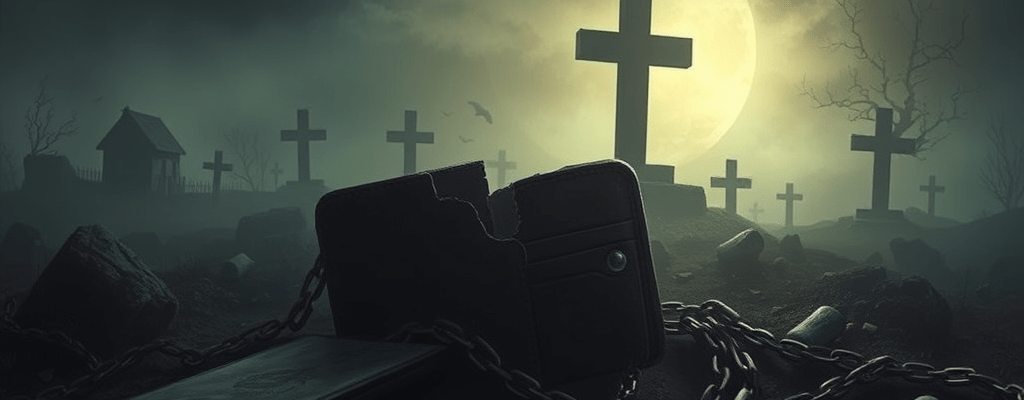
Abuse in any form—emotional, financial, or physical—has the power to erode a relationship slowly and painfully, like poison seeping into the roots of something that was once alive and vibrant. It’s a “slow death” because the damage often unfolds over time, leaving the person on the receiving end questioning themselves, their worth, and even their reality.
Emotional abuse cuts deep. The manipulation, gaslighting, or constant belittling creates a storm of self-doubt and confusion. The person being abused may stay because they hope things will change, or because they’re made to believe that they’re the problem. Over time, this kind of abuse silences the joy, trust, and connection that a healthy relationship needs to thrive. It’s like the abuser is dismantling the foundation brick by brick, all while blaming the cracks on their partner.
Financial abuse adds another layer of control and entrapment. By restricting access to money, creating dependency, or using finances as a weapon, the abuser takes away the other person’s autonomy. It’s not just about money—it’s about power. Financial control leaves the abused person feeling trapped, as if they have no way out, and the constant stress of this dependency deepens the strain on their spirit.
And then there’s physical abuse, which shatters not just the body but the soul. The fear, humiliation, and betrayal that come from someone who is supposed to love and protect you can make the relationship feel like a prison. Even when the bruises heal, the scars linger—in the form of hypervigilance, mistrust, and trauma that takes years to process.
This kind of abuse doesn’t just kill the relationship; it slowly kills the abused person’s sense of self. The love and safety they once sought in the partnership are replaced by fear, shame, and exhaustion. But the thing about “slow deaths” is that they can eventually be halted. There comes a point where the person being abused realizes they cannot continue down that path, that their survival—emotional, physical, and financial—depends on leaving.
Walking away from such a toxic dynamic takes immense strength, especially after enduring so much. But it’s not just an act of leaving the abuser—it’s an act of reclaiming life. Healing from this kind of destruction takes time, compassion, and sometimes professional help, but it is possible.
If this resonates with your experience, let me remind you: you’re not what they tried to make you feel. You’re worthy of love that doesn’t hurt, control, or diminish you. You’ve already survived what was meant to break you, and that is proof of your resilience. The relationship may have suffered a slow death, but your life doesn’t have to. You can rebuild, stronger and freer than ever before. 💛
 Linda C J Turner | Trauma Therapist & Emotional Healing Specialist