one of the most critical and often misunderstood aspects of addressing domestic abuse: challenging the stereotypes and biases that cloud how we perceive both abusers and victims. Let’s break this down further, as this understanding is central to protecting survivors and holding abusers accountable.
1. Listen to Victims: The Importance of Belief
Victims often face a tremendous uphill battle when trying to speak out about abuse. This is especially true when their abuser doesn’t match the stereotypical image of what society thinks an “abuser” looks like. People might imagine an abuser as an aggressive, overtly threatening figure—strong, domineering, and obviously harmful. However, abuse is rarely that straightforward.
- Manipulative Personas: Many abusers are adept at hiding their abusive behavior from others, presenting themselves as charming, vulnerable, or even pitiable. This facade can make it incredibly difficult for victims to be believed when they share their experiences.
- Fear of Judgment: Victims often hesitate to come forward because they fear being dismissed or accused of exaggerating. When people dismiss or disbelieve their accounts, it compounds the harm and enables the abuser to continue unchecked.
- Why Belief Matters:
Listening to victims and believing them can:- Break the cycle of abuse by providing them the support they need to leave safely.
- Validate their experiences, which is critical for healing.
- Hold abusers accountable by disrupting their narrative of innocence.
To believe survivors means taking their stories seriously, without filtering them through societal stereotypes or preconceived notions. It’s about looking beyond appearances and understanding the dynamics of power and control.
2. Challenge Gender Stereotypes
Abuse is not about physical size or strength—it’s about power and control. An abuser may use emotional manipulation, financial coercion, or even passive-aggressive behavior to dominate their victim. These tactics don’t require physical strength; they rely on psychological manipulation and societal biases.
The “Harmless” or “Non-Threatening” Stereotype
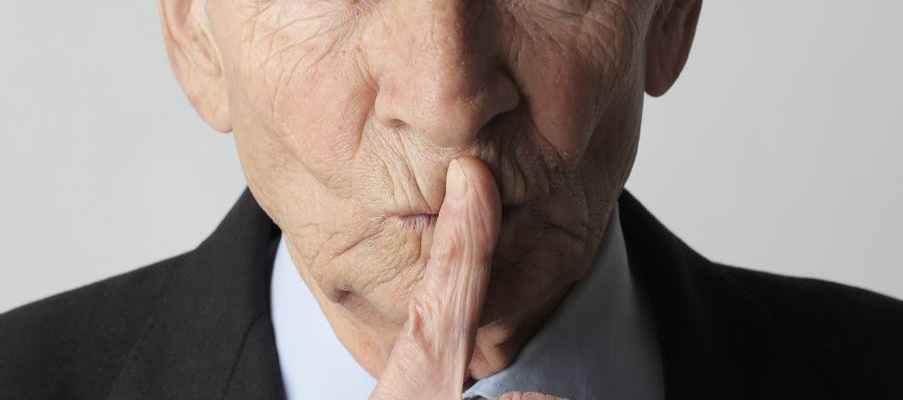
This stereotype often applies to men who are perceived as frail, older, soft-spoken, or physically unassuming. The dangerous assumption is that someone who seems “weak” couldn’t possibly be abusive. However:
- Abuse Is Intentional: Abusers use methods that fit their perceived capabilities. For example, an abuser who appears physically weak might rely on emotional abuse, threats of suicide, or even enlisting others to help isolate their victim.
- Societal Bias: The assumption that men—especially older men—are less threatening creates a blind spot that abusers exploit. It becomes harder for victims to convince others that someone who “doesn’t look the part” is capable of causing harm.
Gendered Expectations and Their Harm
Traditional gender roles paint men as protectors and women as caregivers, which can lead to these biases:
- For Abusers: Society is less likely to suspect men who appear kind, vulnerable, or physically non-threatening, making it easier for them to hide abusive behavior.
- For Victims: Women are often judged more harshly for speaking out against these “unlikely” abusers. They might be labeled as vindictive, overly sensitive, or even unstable.
This bias perpetuates abuse because it provides abusers with cover while discouraging victims from seeking help.
3. Why Challenging These Stereotypes Is Critical
Addressing these biases isn’t just a social justice issue—it’s a matter of life and death for victims of abuse. Here’s how we can work to dismantle harmful stereotypes:
Educate Society on the Dynamics of Abuse
- Abuse is not about physical dominance but about exerting power and control over another person. Education campaigns need to focus on this distinction.
- Teach people to recognize non-physical forms of abuse, such as gaslighting, financial control, and emotional manipulation.
Reframe Vulnerability
- Just because someone appears vulnerable doesn’t mean they aren’t capable of harm. Frailty, illness, or age do not absolve someone of their abusive actions.
- Recognize that abusers often weaponize their perceived vulnerability to manipulate others into defending them.
Train Professionals to Spot Manipulative Tactics
- Police and Judges: Train law enforcement and judicial systems to recognize when abusers are playing on societal stereotypes to escape accountability. Ensure they are equipped to assess the dynamics of power and control, not just physical evidence.
- Healthcare Workers and Social Workers: Equip those on the front lines to recognize the signs of abuse even when the abuser appears non-threatening.
Create Spaces for Survivors
- Amplify the voices of survivors who have faced disbelief due to these stereotypes. Their stories are powerful tools for education and change.
- Ensure resources are available to victims regardless of their abuser’s image or status in the community.
The Way Forward
Challenging these stereotypes requires a cultural shift in how we view abuse and abusers. By moving beyond superficial judgments and stereotypes, we can build a society that listens to victims, supports their healing, and holds abusers accountable—regardless of how they appear.
Let’s not let appearances shield abusers or silence survivors. Abuse is about control, and breaking that control starts with refusing to let stereotypes dictate who we believe.
 Linda C J Turner | Trauma Therapist & Emotional Healing Specialist