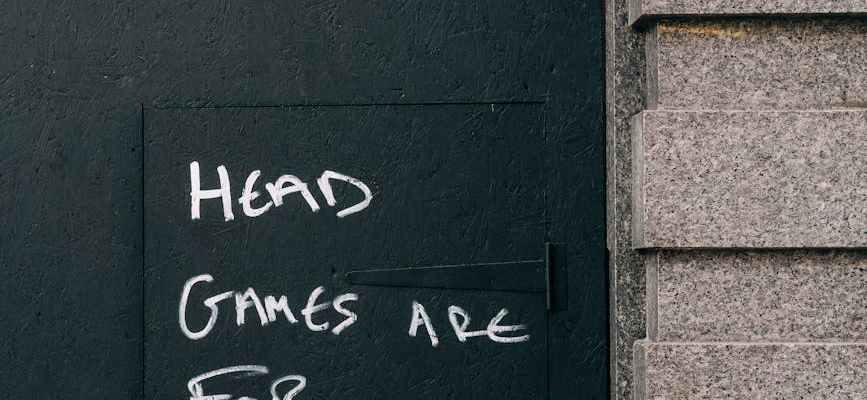
In many cases, individuals with psychopathic traits do tend to view others, including their own families and partners’ families, as tools to be used for their own gain. Psychopathy, which is characterized by a lack of empathy, shallow emotions, and a manipulative, deceitful nature, often leads to relationships that are transactional in nature. This means that rather than forming deep, meaningful emotional bonds, a psychopath may see family members as mere objects to fulfill their needs—whether for power, control, financial resources, or simply as pawns in their games.
Charm is often a critical aspect of how psychopaths engage with others. It’s referred to as “superficial charm,” where they appear likable, charismatic, and even caring on the surface. This charm, however, is a façade. It can mask their true intentions—scheming, plotting, and manipulating others to achieve personal goals or for their own amusement. This can be particularly devastating in family settings, where trust and emotional safety are assumed, but where the psychopath sees these connections as opportunities to exploit vulnerabilities.
Behind closed doors, the true nature of the psychopath often emerges. The calculated manipulation, the pitting of people against one another (sometimes referred to as “triangulation”), and the gaslighting are common tactics they employ. In their world, relationships are power dynamics, not genuine bonds of love or care.
Pitting people against each other is not only a tool to maintain control but often serves the psychopath’s desire for amusement or the thrill of watching others suffer. They can derive pleasure from watching people they’ve manipulated fight, struggle, or break down emotionally. This can happen within their immediate family, where they may create rivalries or divisions between siblings, partners, or extended family members, keeping everyone off balance and under their influence.
Their ability to create a false image of themselves to outsiders, meanwhile, can make it incredibly difficult for family members or partners to expose the abuse. They might be seen by others as charming, successful, or caring individuals, while those closest to them experience a very different, darker reality. This discrepancy between the public and private persona is a hallmark of psychopathic behavior.
For partners, especially, being with a psychopath can feel like a constant state of confusion, as they are subjected to cycles of manipulation, devaluation, and sometimes even abuse. In family dynamics, the psychopath may view a partner’s family as further pieces in their game—either to be manipulated to isolate the partner, or as additional resources to exploit. Their lack of emotional depth and inability to truly care for others means that these families are never truly seen as individuals with feelings, but as extensions of their ability to control their environment.
Scheming is real, often meticulously planned, and aimed at maintaining dominance or satisfying their own desires. Unfortunately, because psychopaths lack genuine remorse or guilt, the damage they cause to others—whether emotional, financial, or psychological—is irrelevant to them. What matters is the end result, the gratification of their desires, and the thrill of the game they believe they are always playing.
In these situations, victims often feel isolated, gaslit, and doubting their own perceptions of reality. Psychopaths have a remarkable ability to shift blame, making the people around them question their own sanity or emotions, which further entrenches their power.
The toll this takes on families is profound, leaving lasting scars on those entangled in their web. Understanding the psychopath’s worldview can be a crucial step in recognizing the patterns of manipulation and seeking help to break free from such toxic dynamics.
Copyright © Linda C J Turner 2023 LindaCJTurner.com All Rights Reserved.
All content on this website, including text, images, graphics, and other material, is protected by copyright law and is the property of Linda C J Turner unless otherwise stated. Unauthorized use or reproduction of the content in any form is prohibited.
 Linda C J Turner | Trauma Therapist & Emotional Healing Specialist