1. Breathwork and the Autonomic Nervous System

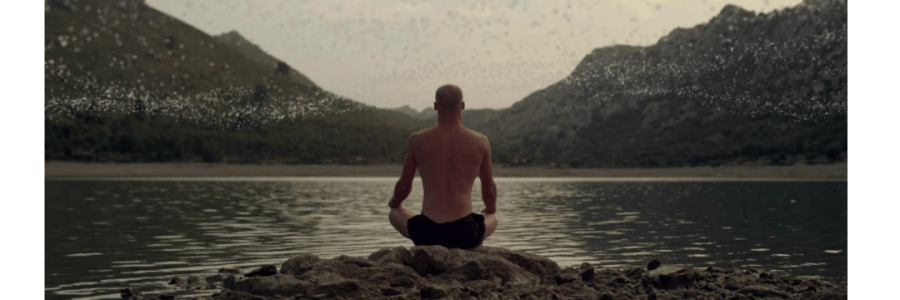
Many tantric practices emphasize controlled breathing (pranayama). This isn’t just spiritual—it has a direct physiological effect: In essence, breathwork is a way to consciously shift the nervous system from stress (sympathetic) to relaxation and heightened awareness (parasympathetic). 2. Meditation, Visualization, and Neural Plasticity Tantric meditation often uses mantras (sounds), yantras (visual patterns), or guided imagery: 3. Energy Work and… Read More 1. Breathwork and the Autonomic Nervous System

Neurobiological self-soothing strategy,

💙 — when toddlers rock back and forth or bang their heads rhythmically in bed, neuroscience views this behavior as self-stimulation and self-regulation. It can be completely normal at certain stages of development, but it can also signal unmet emotional or sensory needs depending on the context. Let’s break it down: 🧠 Neuroscience of Rhythmic Rocking… Read More Neurobiological self-soothing strategy,

Coming Back to Life: The Neuroscience of Healing After Abuse

After months of isolation and abuse, stepping back into the world of friends, family, and community can feel like a rebirth. People often notice the change before you do—they comment on how much more relaxed you seem, how your face looks younger, how you carry yourself differently, and how your old confidence shines through. From… Read More Coming Back to Life: The Neuroscience of Healing After Abuse

Co-Regulation: The Science of Shared Emotional Stability

1. What It Is:Co-regulation is the process by which one person helps another manage their emotional state, usually by remaining calm, attentive, and responsive. This is especially important in moments of stress, fear, or dysregulation. While self-regulation is the ability to manage your own emotions internally, co-regulation relies on an external “anchor”—someone attuned to your… Read More Co-Regulation: The Science of Shared Emotional Stability

When You Meet Someone Who Truly Understands You: A Neuroscience Perspective 💛

There’s a rare kind of connection that goes beyond words—the kind where someone notices the small things, protects your boundaries, and can calm you just by being present. Neuroscience tells us this isn’t just poetic—it’s deeply biological. Your Nervous System Recognizes SafetyHumans are wired for connection. The polyvagal theory, proposed by Dr. Stephen Porges, explains that our… Read More When You Meet Someone Who Truly Understands You: A Neuroscience Perspective 💛

✨ After almost a year on my own, I can finally say this: I am ready. ✨

Ready for something real. Ready for something honest. Ready for a love that feels safe, steady, and true. For decades, abuse shaped my nervous system. Trauma trains the brain to live on high alert — always scanning for danger, bracing for the next blow, never fully resting. Neuroscience shows us that chronic stress floods the… Read More ✨ After almost a year on my own, I can finally say this: I am ready. ✨

Deceit: How Lying Harms You and Everyone Around You

1. The Brain Under Deceit 2. Emotional and Psychological Consequences 3. The Ripple Effect on Others 4. Why Deceit is a Lose-LoseFrom a neuropsychological standpoint, deceit isn’t just morally corrosive — it physically stresses the liar’s brain and body while simultaneously traumatizing those around them. The short-term gains of manipulation are heavily outweighed by chronic… Read More Deceit: How Lying Harms You and Everyone Around You

When You Want Them to Feel the Fear They Inflicted: A Neuroscience Perspective

Living in fear inside your own home is one of the most damaging experiences a nervous system can endure. Home should be the place where the brain and body relax, where the parasympathetic “rest and digest” system can restore balance. But when home becomes a place of criticism, control, and intimidation, the brain rewires itself… Read More When You Want Them to Feel the Fear They Inflicted: A Neuroscience Perspective

From Hypervigilance to Freedom: The Neuroscience of Reclaiming Joy

A year ago, life was about survival. Every movement, every choice, every word was monitored. You couldn’t relax—not at the dinner table, not out with friends, not even in bed. Your brain had been trained into hypervigilance, the survival state where the nervous system is constantly scanning for threat. This is what chronic criticism and control… Read More From Hypervigilance to Freedom: The Neuroscience of Reclaiming Joy

The Neuroscience of Joyful Company: Why Happy People Heal Us

One of the greatest gifts in life is being surrounded by people who bring lightness rather than tension—friends and family who laugh easily, accept you as you are, and let you simply be. When you’ve lived under criticism, control, or constant monitoring, stepping into the company of relaxed, joyful people can feel almost miraculous. It’s not… Read More The Neuroscience of Joyful Company: Why Happy People Heal Us