1. Calm removes the “survival anesthesia”

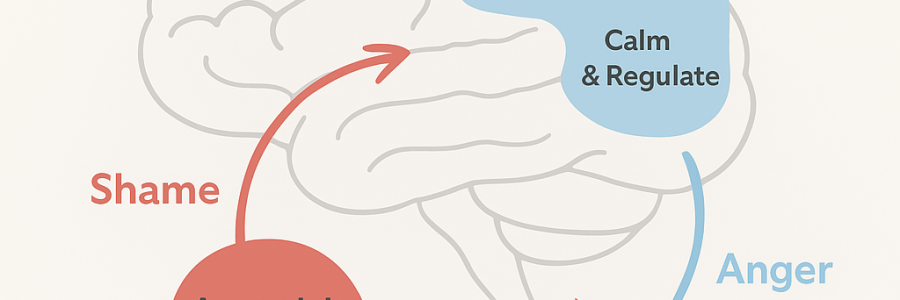
During abuse or chronic stress, the nervous system protects you by: Stress hormones like cortisol and adrenaline act like a kind of anesthetic. They keep grief, anger, and loss out of conscious awareness because feeling them would have been unsafe or overwhelming at the time. When calm returns: So emotions that were deferred, not resolved, finally get airtime. This isn’t… Read More 1. Calm removes the “survival anesthesia”

Why calm can feel unfamiliar (and even unsettling)

When someone lives for years in an abusive, unpredictable environment, the nervous system adapts for survival, not comfort. 1. Your nervous system was trained for threat, not peace Chronic abuse keeps the brain in sympathetic dominance (fight/flight) or freeze. Over time, calm becomes unfamiliar. The body learns: “Stillness = danger might be coming.” So when calm finally appears, the brain… Read More Why calm can feel unfamiliar (and even unsettling)

1. Why Kind People Are Targeted by Emotional Freeloaders

Kind people aren’t targeted because they’re weak.They’re targeted because they’re reliable sources of emotional regulation. From a psychology and neuroscience perspective, emotional freeloaders instinctively gravitate toward people who: Your nervous system soothes theirs. The Neuroscience Angle Humans unconsciously seek external regulation when they can’t regulate themselves.If someone lacks emotional regulation skills, their brain looks for another nervous… Read More 1. Why Kind People Are Targeted by Emotional Freeloaders

A Breath of Fresh Air: Why Meeting the Right People Restores Your Faith in Humanity

Every now and then, someone walks into your life and reminds you that not all humans are chaotic, exhausting, or emotionally under-evolved.A calm, intelligent, good-looking man.A relaxed evening.No drama.No hidden agenda.Just connection. It’s astonishing how something so simple can feel like oxygen when you’ve been living under emotional rubble. 1. Your Nervous System Responds to… Read More A Breath of Fresh Air: Why Meeting the Right People Restores Your Faith in Humanity

Why Domestic Violence — and the Court Process — Takes Such a Heavy Toll on the Mind and Body

People think the trauma ends when you leave.But anyone who has lived it knows: the legal process can feel like Round Two.It’s not just stressful — it’s biologically exhausting. 1. Living in Survival Mode Damages the Nervous System Domestic abuse keeps your brain in a chronic fight-or-flight state.The amygdala becomes overactive.The nervous system stays hyper-alert.Cortisol floods your… Read More Why Domestic Violence — and the Court Process — Takes Such a Heavy Toll on the Mind and Body

Relief vs. Calm — What’s the difference?

Relief Relief is a reactive physiological‑emotional state. It occurs when a stressor or threat diminishes or ends. For example: you finish a difficult project, get through an argument, narrowly avoid a danger. The tension, vigilance or threat drops and you feel “whew”—that’s relief. In nervous‑system terms, relief often means that your sympathetic (“fight/flight/alert”) system was active or… Read More Relief vs. Calm — What’s the difference?

When Relief Feels Like Love

When you’ve experienced emotional neglect, betrayal, or manipulation, your body adapts before your mind does. Your attachment system—designed to seek safety and predictability—lowers its standards. What once counted as “basic decency” starts to feel like security. The nervous system quietly revises the rules. In this state, not being hurt can register as being loved. When someone is merely… Read More When Relief Feels Like Love

Healthy Reciprocity: Building Safety and Reward in Relationships

Reciprocity is the backbone of trust, emotional safety, and attachment. It works because your brain and nervous system are wired to seek predictable, rewarding interactions. 1. The Neurochemistry of Reciprocity When someone consistently responds to your needs — emotionally, physically, or socially — your brain releases key neurochemicals: Neurochemical Role Effect on Relationships Oxytocin Bonding hormone Promotes… Read More Healthy Reciprocity: Building Safety and Reward in Relationships

Understanding High DASH Scores and MARAC High-Risk Classification

1. What the Scores Indicate 2. Neuroscience Perspective 3. Psychological Perspective 4. Implications for Safety and Intervention Key Takeaway: A DASH score of 21/27 and high-risk MARAC classification reflects serious, multi-faceted risk. Neuroscience shows that victims’ brains are in a chronic stress state, while perpetrators are neurologically and psychologically primed for escalation. Immediate, coordinated intervention is essential to… Read More Understanding High DASH Scores and MARAC High-Risk Classification