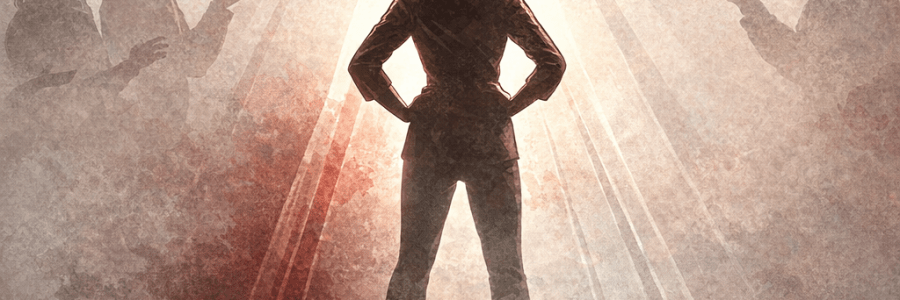
Why You Can’t Remain Friends With an Abuser

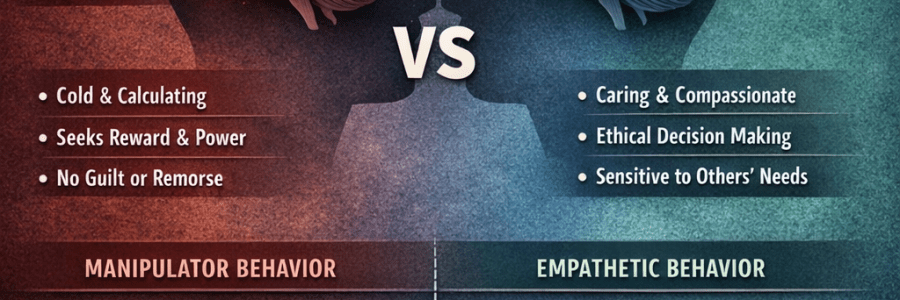
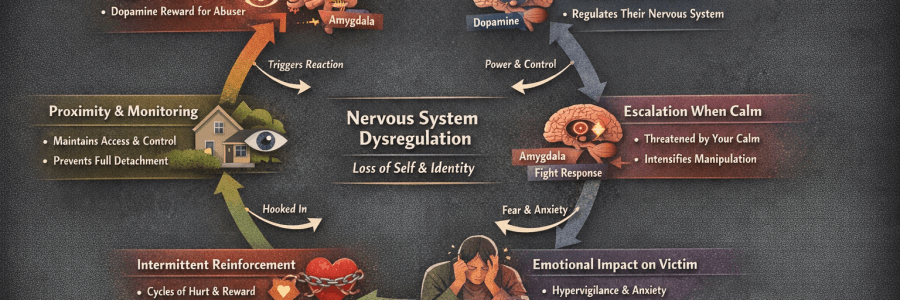
It’s a question many survivors ask themselves: “Why can’t I just stay friends? I used to care about them.” The answer is rooted in psychology, boundaries, and self-preservation. Abusive Patterns Don’t Change Overnight Abuse is rarely a one-time mistake. Whether emotional, psychological, or physical, abusive behaviour reflects deeply ingrained patterns of control and manipulation. Remaining… Read More Why You Can’t Remain Friends With an Abuser

Complex PTSD (C-PTSD)

Deeper Self-Reflection Quiz This guide explores patterns linked to prolonged relational trauma, coercive control, emotional neglect, or chronic instability. Rate each statement: 0 = Never1 = Sometimes2 = Often3 = Almost Always 🧠 Section 1: Emotional Regulation My emotions feel overwhelming or difficult to control. I shift between emotional flooding and emotional numbness. I struggle… Read More Complex PTSD (C-PTSD)

Shall I Heal?

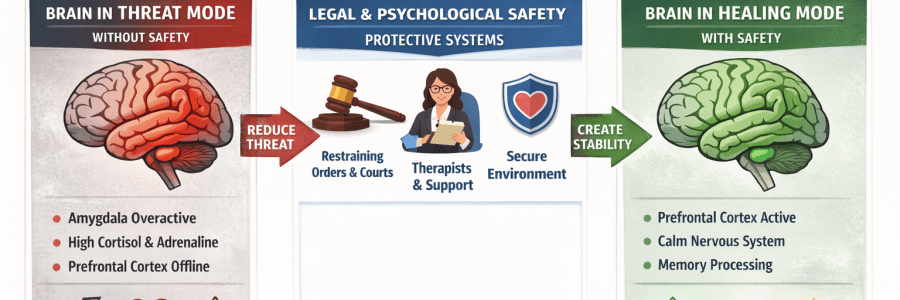
The Neuroscience of Deciding to Move On From Trauma There comes a quiet moment after survival. A moment where the chaos has settled just enough for a question to surface: “Am I ready to heal?”“Shall I… or shall I not?” Wanting to move on doesn’t mean you’re ready.And not feeling ready doesn’t mean you’re weak.… Read More Shall I Heal?

Psychological Profile of Covert Financial Abuse

How Control, Power, and Image Replace Love, Responsibility, and Care What Is Covert Financial Abuse? Covert financial abuse is a hidden form of coercive control in which one partner strategically withholds, manipulates, or distorts money and resources to maintain dominance, dependency, and psychological power — while simultaneously appearing generous, responsible, or struggling to outsiders. Unlike overt financial abuse, covert financial abuse is subtle, deniable,… Read More Psychological Profile of Covert Financial Abuse