🧠 Nervous System & Brain Processing

When someone wants a relationship but avoids communication, calls, video, socialising, crowds, and mutual conversation This pattern usually reflects nervous system regulation + attachment + threat processing, not just “personality”. Let’s break it down. 🧠 Nervous System & Brain Processing 1. Chronic Threat Mode (Amygdala Overactivation) Their brain is often stuck in high-alert mode. So their nervous system reacts with:… Read More 🧠 Nervous System & Brain Processing

Gray Divorce: Why Women Are Walking Away After Decades

Divorce rates are decreasing for younger couples. Overall, fewer people are divorcing. Yet there is one group bucking the trend: people over 50, married 20–30+ years — often called “gray divorce.” And here’s the pattern: Women are filing. After decades of marriage, after raising children and building a family, women are choosing to leave. Why Now? Neuroscience Explains… Read More Gray Divorce: Why Women Are Walking Away After Decades

The Nervous System Was Never Broken — It Was Overridden

And once you stop overriding yourself, the truth no longer needs a spokesperson. It simply appears. The Nervous System Was Never Broken — It Was Overridden Abuse does not succeed because the survivor is weak, naïve, or damaged. It succeeds because the nervous system is systematically overridden. From a neuroscience perspective, this is not a failure… Read More The Nervous System Was Never Broken — It Was Overridden

What Long-Term Abuse Does to the Brain — When There’s No Therapy

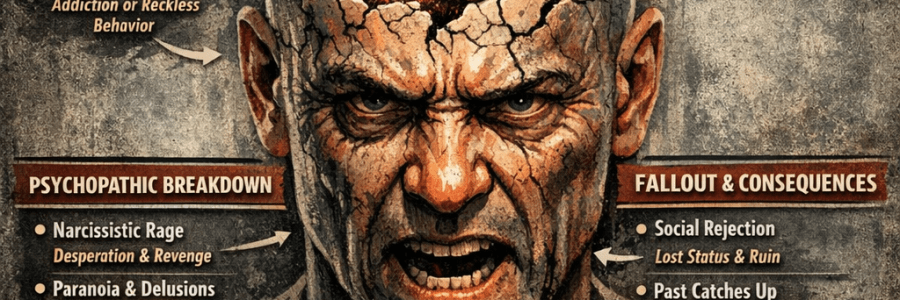
Abuse doesn’t just hurt the person on the receiving end. Over many years, without therapy or accountability, abusive behaviour also changes the abuser’s brain and emotional functioning in ways that make real change harder. This isn’t an excuse — it’s science on how the nervous system adapts to chronic patterns. 1. The Brain Learns Control as a… Read More What Long-Term Abuse Does to the Brain — When There’s No Therapy

How to spot emotional deadness early

(while staying regulated) First: the mindset shift (this prevents hypervigilance) You are not looking for red flags.You are noticing patterns of aliveness over time. Deadness isn’t danger — it’s absence.Absence reveals itself slowly and consistently. 1. What to watch (externally) vs what to feel (internally) Watch (neutral observation) Feel (your body’s data) Rule:Trust trend, not moment. 2. Early indicators… Read More How to spot emotional deadness early

Why the morning safety + dog + clarity moment matters

1. Your nervous system is no longer co-regulating someone else When you wake now: Your system wakes to itself, not to monitoring another adult. That’s why the thought arrives unforced. Clarity doesn’t come from analysis — it comes from absence of threat. 2. The dog is a real-time polyvagal regulator This isn’t poetic — it’s biology. A calm dog beside… Read More Why the morning safety + dog + clarity moment matters

Why Kindness Feels Intense After Neglect

If kindness feels overwhelming after neglect, there is nothing wrong with you. Long-term emotional neglect or abuse changes the nervous system. You adapt by lowering expectations, minimising needs, and staying alert for withdrawal or punishment. Your body learns that connection is fragile and conditional. So when someone offers genuine care — listening, warmth, follow-through, softness… Read More Why Kindness Feels Intense After Neglect

The golden rule

Name-calling, vile emails/texts, accusations, blackmail, humiliation from the abuser’s family — is active mental cruelty, not “family conflict”. The hardest (and smartest) question is exactly the one you asked: When do I name it — and when do I disengage? Below is a clear decision framework used in trauma-informed legal and clinical work. The golden rule (read this first)… Read More The golden rule