Aftermath & Long-Term Impact

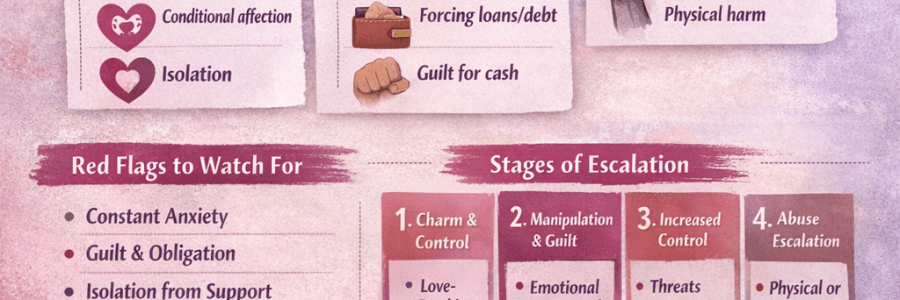
In inheritance or high-stakes family conflicts, people often follow a predictable escalation pattern. Understanding it helps you anticipate moves, protect yourself, and even de-escalate tension. 1. Initial Anxiety & Awareness 2. Strategic Maneuvering 3. Escalation & Pressure 4. Open Conflict 5. Aftermath & Long-Term Impact How to Anticipate or Manage These Behaviors Inheritance conflicts are… Read More Aftermath & Long-Term Impact

When You Should Reopen a Police Report

You should reopen or escalate a police report immediately if any of the following apply: 1️⃣ If strangulation occurred Even once, even without injury, even years ago. Why:Strangulation is now legally recognised as: ⚠️ A near-lethal assault and major homicide predictor If this was not properly recorded or charged, reopening is strongly advised. 2️⃣ If violence continued in another country This creates a cross-border pattern of abuse.… Read More When You Should Reopen a Police Report

Strangulation in One Country → Violence & Stalking in Another

How European Law Treats This Pattern When strangulation occurs first, and is then followed by: —even across different countries — this is legally recognised as: 🚨 Escalating violent criminal behaviour, not isolated incidents 🧠 Forensic & Psychological Meaning This pattern shows: Strangulation is not just assault — it is: 🔴 A predictor of future severe violence and murder Which means later stalking… Read More Strangulation in One Country → Violence & Stalking in Another

Court-Ready Checklist: What Judges Consider

1️⃣ Case Documentation 2️⃣ Evidence 3️⃣ Witness Statements 4️⃣ Expert Reports 5️⃣ Criminal / Police Records 6️⃣ Legal Considerations 7️⃣ Victim Impact 8️⃣ Offender Background 9️⃣ Courtroom Behavior 10️⃣ Pre-Sentencing Reports / Recommendations ✅ Summary A judge considers every angle: The judge’s goal is to balance justice, fairness, public safety, and rehabilitation.

The Tyranny of Proof

In the shadows of human behavior, denial thrives. We twist reality, rationalize our actions, and gaslight others—yet one force remains relentlessly impartial: proof. Evidence doesn’t care about ego, fear, or lies. It exists as a tyranny—cold, absolute, and inescapable. 1️⃣ Psychology: Why Denial Feels Safer Than Truth 2️⃣ Neuroscience: The Brain That Lies to Itself The brain… Read More The Tyranny of Proof

“Deny, Deny, Deny… But the Evidence Doesn’t Lie”

In the theater of human behavior, some people live in denial—a psychological shield against accountability, guilt, or shame. Yet, the brain and the law have a way of cutting through the fog of excuses. 1️⃣ The Psychology of Denial 2️⃣ Neuroscience Behind “I Didn’t Do It” In short: the brain can literally convince itself of innocence, even while… Read More “Deny, Deny, Deny… But the Evidence Doesn’t Lie”

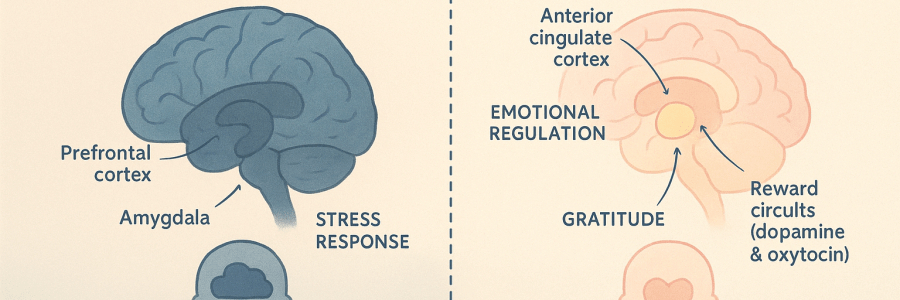
Brain Structure & Neurobiology

Prefrontal Cortex (PFC) Anterior Cingulate Cortex (ACC) Amygdala Reward System (Ventral Striatum / Nucleus Accumbens) 2️⃣ Psychology & Personality Factors Attachment & Early Environment Learned Behavior & Modeling Personality Traits 3️⃣ Epigenetics ✅ Key Takeaways In short: it’s a mix of biology, environment, early life experiences, and personality traits. The brain literally learns these patterns through repeated exposure and reinforcement.

 Social Learning & Mirror Neurons

The neuroscience of learned greed, manipulation, and dishonesty—basically, how teaching someone to take advantage of others can create a cycle where those behaviors get reflected back to you. Let’s break this down carefully: 1. Social Learning & Mirror Neurons 2. Reward System & Dopamine 3. Prefrontal Cortex & Moral Control 4. Empathy & Social Awareness 5. Karma-Like Reciprocity in the Brain… Read More  Social Learning & Mirror Neurons

Genetic and Heritable Factors

he neuroscience behind why a “Me, Me, Me” personality—self-centeredness or narcissistic traits—can appear to “run in the family.” Let’s break it down carefully: 1. Genetic and Heritable Factors 2. Brain Networks & Neurobiology 3. Environmental & Epigenetic Influences 4. The Neuroscience of “Running in the Family” ✅ Key Takeaway A “Me, Me, Me” pattern in families is usually: