🧠 How Trauma Affects Dating & Attachment

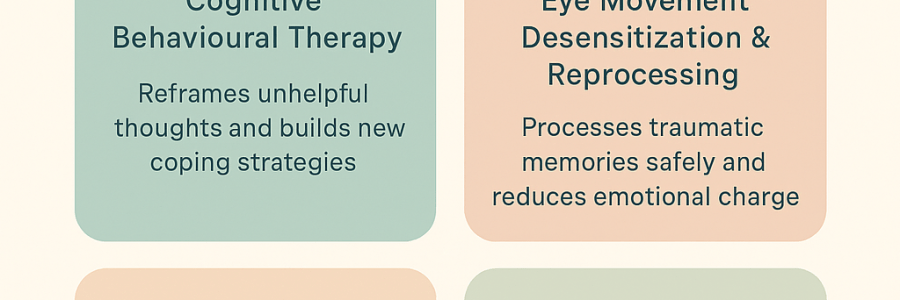
Dating after emotional trauma can feel confusing, overwhelming, and emotionally risky.When you’ve experienced emotional abuse, manipulation, neglect, or long-term stress, your nervous system learns to prioritise safety over connection. This guide is designed to help you: This is not about perfection.It is about self-protection, emotional awareness, and self-respect. 🧠 How Trauma Affects Dating & Attachment Trauma reshapes… Read More 🧠 How Trauma Affects Dating & Attachment

Why Do Some Men Talk for Months on Dating Apps — But Never Make a Move?

If you’ve experienced long conversations on dating apps that go nowhere, you are not alone — and importantly, it’s rarely about your worth or desirability. More often, it reflects emotional availability, attachment patterns, and fear-based behaviour. Here are the real reasons this happens: 🧠 1. Emotional Connection Without Emotional Risk Many men enjoy emotional closeness, validation,… Read More Why Do Some Men Talk for Months on Dating Apps — But Never Make a Move?

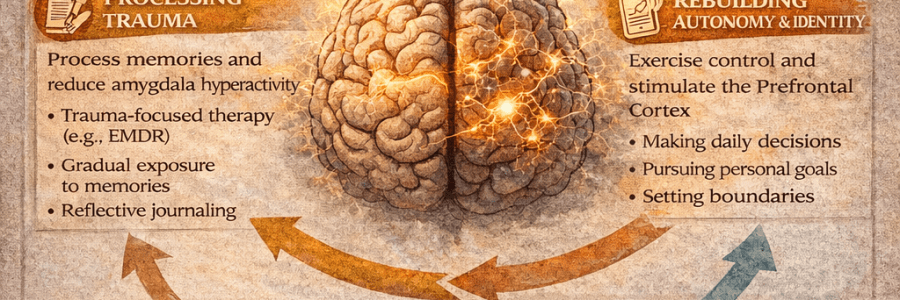
Healing Changes the Body: What Neuroscience & Psychology Say About Recovery Results

Tomorrow I receive the results of my routine hospital tests after returning to private medical care. And naturally, a question arises: Will my physical health now reflect the emotional healing I’ve been doing? From a neuroscience and psychology perspective, the answer is:👉 Very possibly — yes. 🧠 Trauma Lives in the Body — So Does Healing… Read More Healing Changes the Body: What Neuroscience & Psychology Say About Recovery Results

When Healing Shows: How Trauma Recovery Transforms Mind, Brain & Body

Two years ago, under extreme psychological stress and PTSD from an abusive marriage, my eyesight measured just 70% without glasses.Eighteen months after leaving that environment, my vision is now 90% without glasses. The optician also said something unexpected:“You look lighter. Brighter.” And that moment says everything about trauma, healing, and the incredible power of the human… Read More When Healing Shows: How Trauma Recovery Transforms Mind, Brain & Body

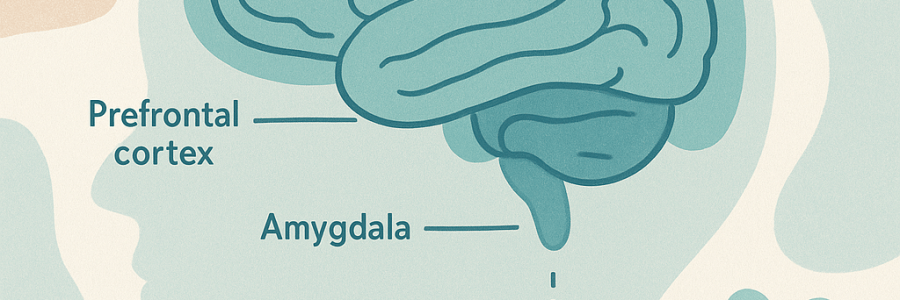
Understanding Neuroscience & Neuroplasticity

1. What is Neuroscience? Neuroscience is the scientific study of the brain and nervous system — how neurons communicate, how brain regions control behavior, and how cognition, emotion, and perception emerge. It combines biology, psychology, chemistry, and even computational science to understand how the brain functions in health and disease. Key focus areas include: 2. What is Neuroplasticity? Neuroplasticity… Read More Understanding Neuroscience & Neuroplasticity

Dating Safely After Emotional Abuse

1. Heal Before You Attach Not because you’re broken — but because trauma distorts perception, attachment, and intuition. Healing helps you: You don’t attract healthier partners — you recognise them. 2. Go Slow (This Is Non-Negotiable) Healthy connection develops gradually. 🚩 Red flag: 🌿 Green flag: Fast intensity = emotional danger after trauma. 3. Observe Behavior, Not Words… Read More Dating Safely After Emotional Abuse

Healthy vs Unhealthy Attachment Styles

✅ Secure Attachment (Healthy) Core belief: “I am worthy of love, and others can be trusted.” How it looks: Feels like: This is the goal after healing. ⚠️ Unhealthy Attachment Styles (Trauma-Based) These develop from inconsistent care, emotional neglect, abandonment, or abuse. 1️⃣ Anxious Attachment Core fear: “I’ll be abandoned.” How it looks: Feels like: Common after emotional… Read More Healthy vs Unhealthy Attachment Styles

How to Build Healthy Future Relationships (After Abuse)

1. Heal First — Don’t Skip This Step Not because you’re broken — but because trauma changes how we attach, trust, and choose. Healing helps you: You don’t attract better — you recognise better. 2. Learn the Difference: Familiar vs Healthy After abuse, chaos can feel familiar and calm can feel strange. Healthy love feels: Unhealthy love feels: Peace is… Read More How to Build Healthy Future Relationships (After Abuse)

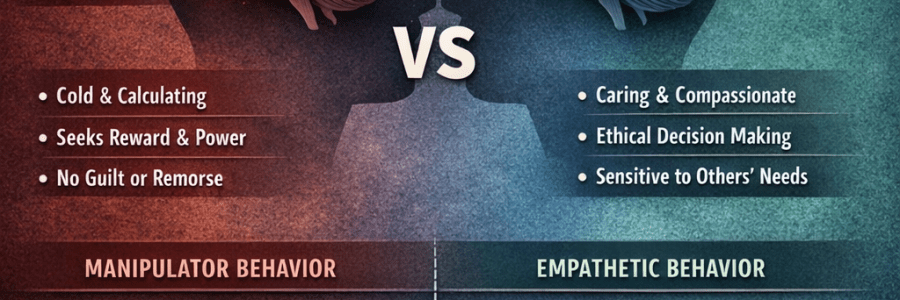
Neuroscience of a Lifelong Obsession with Harm

1. Hyperactive Threat Circuits 2. Prefrontal Cortex Dysfunction 3. Reinforced Reward Pathways 4. Mirror Neuron Suppression 5. Neuroplastic Entrenchment 6. Stress and Cortisol Loop 7. Death and Posthumous Influence 💡 Summary Insight:A person who obsesses over harming others develops a brain wired for control, vigilance, and manipulation. Empathy circuits weaken, reward pathways reinforce harm, and stress systems… Read More Neuroscience of a Lifelong Obsession with Harm