Standing up to bullies

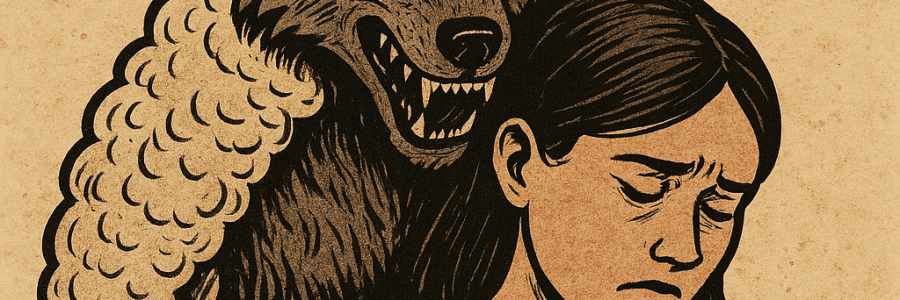
Bullies often rely on intimidation and power imbalances, but when someone confronts them with strength and confidence, their facade often crumbles.

It’s particularly true that many bullies target those they perceive as vulnerable, such as women and children, because they think it’s easier to dominate them. However, the moment someone resists or asserts their boundaries, it can expose the bully’s cowardice. Standing up for yourself and others is an empowering act, and it sends a clear signal that disrespect, control, or abuse will not be tolerated.

Here are a few things to keep in mind when dealing with bullies or those who try to exert control:… Read More Standing up to bullies

Never ever going back

There comes a moment when we realize we can no longer carry the weight of everyone else’s expectations, demands, and entitlement. It’s a moment of liberation, of taking stock, and of declaring, “Enough.” This is not about abandoning kindness or responsibility but about rediscovering balance—shifting from being the unsung hero of someone else’s life to being the star of your own.

For far too long, many of us find ourselves in roles that aren’t just demanding—they’re suffocating. The unpaid housekeeper, cleaning up messes without so much as a “thank you.” The DIY expert, endlessly fixing things for others who never seem to offer help in return. The IT mechanic, troubleshooting problems while your own needs remain unaddressed. The cook, pouring love into meals for those who don’t appreciate the effort. The entertainer, always lifting spirits while no one checks in on yours. The ATM, dispensing money while your own dreams are left unfunded. The organizer, holding together chaos for people who take it all for granted.

Worse, these roles often come with layers of control, abuse, and negativity. It’s a vicious cycle—one where your efforts are not just ignored but exploited. You’re left running on empty while everyone around you thrives off the energy you’ve sacrificed. But today, you say, “No more.”… Read More Never ever going back

Why the Abuser’s Claims of Love Are False

This is a common and insidious tactic used by abusers to maintain control and discredit their victims. By presenting themselves as loving, remorseful, or heartbroken to their friends and social circles, they aim to gain sympathy and shift the narrative, making themselves appear as the victim. Meanwhile, they continue their abuse covertly, using legal systems and other means to financially and emotionally harm the true victim. Understanding this tactic is critical to protecting yourself and countering their manipulations. Abusers want to appear blameless in the eyes of others. By telling their friends they still “love” the victim, they create doubt about their abusive behavior and make it harder for others to support the victim fully.

This allows them to paint the victim as unreasonable, vindictive, or even abusive in return. When friends or acquaintances buy into the abuser’s narrative, the victim may feel abandoned or unsupported, reinforcing isolation—a key element of abuse.

Victims may find themselves having to defend their actions or justify their need for protection, adding emotional strain.Legal abuse is a tool many abusers use to prolong their control. They may file excessive motions, contest custody or financial settlements, or drag out divorce proceedings to drain the victim emotionally and financially.

While they appear “loving” and “hurt” in public, their legal actions show their true intent: to punish and exhaust the victim.… Read More Why the Abuser’s Claims of Love Are False

Protection Orders Act as a Legal Barrier

Protection Orders Act as a Legal Barrier

A protection order creates a legal framework that restricts the abuser’s access to you. It can limit their ability to contact, approach, or harass you, giving you a safer space to rebuild your life.

Violating a protection order is a crime, which means you have legal recourse if the abuser attempts to harm or intimidate you.

Relinquishing Sends the Wrong Signal to the Abuser

If you drop the order, the abuser might interpret it as a sign that you’re vulnerable or willing to reconcile, potentially emboldening them to escalate abusive behavior.

A protection order is a reminder to the abuser that their actions have consequences. Removing it can lessen that accountability.

Abusers Often Manipulate Victims to Drop Orders

Many abusers will promise to change, apologize profusely, or guilt victims into believing the order is unnecessary. These tactics are often part of a cycle of abuse.

They may use threats, emotional blackmail, or even enlist mutual friends or family members to pressure you into dropping the order.

Your Safety Comes First

Even if the abuser seems to have changed, it’s important to remember that patterns of abuse don’t disappear overnight. Relinquishing a protection order too soon can leave you exposed to future harm.… Read More Protection Orders Act as a Legal Barrier

A Long History of Abuse

The factors judges consider in granting a protection order are critical because these decisions can directly impact the safety of victims and their children. Let’s explore these factors in detail, breaking down why each one matters and what victims can do to strengthen their case.

1. Whether the Victim Appears Credible and Consistent
Consistency: Are the victim’s statements about the abuse consistent across police reports, affidavits, and testimony in court? Minor discrepancies are normal under stress, but significant contradictions can raise doubts.

Demeanor: Judges may consider how the victim behaves during the hearing. While calm, clear testimony is ideal, it’s essential to understand that victims may appear nervous, emotional, or even detached—all normal trauma responses.

Supporting Details: Even if there is little physical evidence, providing a clear narrative with specific incidents, dates, and examples can enhance credibility.… Read More A Long History of Abuse

Listen to Victims: The Importance of Belief

Victims often face a tremendous uphill battle when trying to speak out about abuse. This is especially true when their abuser doesn’t match the stereotypical image of what society thinks an “abuser” looks like. People might imagine an abuser as an aggressive, overtly threatening figure—strong, domineering, and obviously harmful. However, abuse is rarely that straightforward.

Manipulative Personas: Many abusers are adept at hiding their abusive behavior from others, presenting themselves as charming, vulnerable, or even pitiable. This facade can make it incredibly difficult for victims to be believed when they share their experiences.

Fear of Judgment: Victims often hesitate to come forward because they fear being dismissed or accused of exaggerating. When people dismiss or disbelieve their accounts, it compounds the harm and enables the abuser to continue unchecked.

Why Belief Matters:
Listening to victims and believing them can:

Break the cycle of abuse by providing them the support they need to leave safely.

Validate their experiences, which is critical for healing.

Hold abusers accountable by disrupting their narrative of innocence.

To believe survivors means taking their stories seriously, without filtering them through societal stereotypes or preconceived notions. … Read More Listen to Victims: The Importance of Belief

Freedom

Wow, what a powerful and liberating moment you’re stepping into! It’s incredible to hear that you’re claiming your freedom and stepping out of the shadows of the past. This is your time—a time to rediscover yourself, your passions, and all the dreams that might have been put on hold.

It can feel a little overwhelming at first, having this open space ahead of you to fill with things that bring you joy, fulfillment, and peace. But that’s part of the beauty. You get to rewrite the script of your life, and every page can be filled with what you choose.… Read More Freedom

Planting seeds of doubt about long-hidden family secrets

Control Through Confusion:
Sharing half-truths or vague secrets creates uncertainty, making you more reliant on their perspective or advice.Financial Manipulation:
Discussions about hidden assets, inheritance disputes, or family finances might be designed to steer your decisions in their favor.Jealousy or Resentment:
If they feel excluded from financial or familial decisions, they may use secrets to create division or guilt.Distraction or Deflection:
Divulging secrets shifts focus from their own behavior or motives, drawing your attention to the past instead of their current intentions.Sabotaging Relationships:
By fostering distrust, they can isolate you from others—whether it’s your partner, other relatives, or trusted advisors.… Read More Planting seeds of doubt about long-hidden family secrets

Why This Happens During a Visit

When everything seems fine in your life and relationship until a family member visits and suddenly causes friction, it can feel both confusing and upsetting. This scenario often arises when an interfering family member takes advantage of their visit to subtly—or overtly—manipulate the situation for personal gain. Their actions can strain your relationships, create doubts, and disrupt your peace under the guise of “caring” or “looking out for you.”

Here’s how to understand and address this behavior effectively: Perceived Opportunity for Influence:
A visit provides the family member with more access to your personal life, enabling them to observe, comment on, and interfere directly. Undermining Your Partner or Decisions:
They may feel your partner or lifestyle is an obstacle to their own interests, such as inheritance or influence over you. Testing Boundaries:
Being in your space allows them to push limits, see how much they can control, and gauge your reactions.Hidden Motivations:
Financial gain, jealousy, or a desire for control can motivate them to create tension or discord where none existed.… Read More Why This Happens During a Visit

Manipulation Tactics They Use

Making negative comments about your partner’s character, intentions, or behavior.

Suggesting your partner is with you for the “wrong reasons,” such as financial gain, even if there’s no evidence.Sowing Doubts:
Subtly planting seeds of mistrust by bringing up hypothetical scenarios or exaggerating minor issues. Feigned Concern:
Acting overly protective, offering unsolicited advice, or expressing fabricated worries about your well-being. Triangulation:
Attempting to insert themselves between you and your partner, positioning themselves as the “voice of reason.”… Read More Manipulation Tactics They Use