The Joy of a Real Man: Psychological Benefits of Respect, Laughter, and Pride

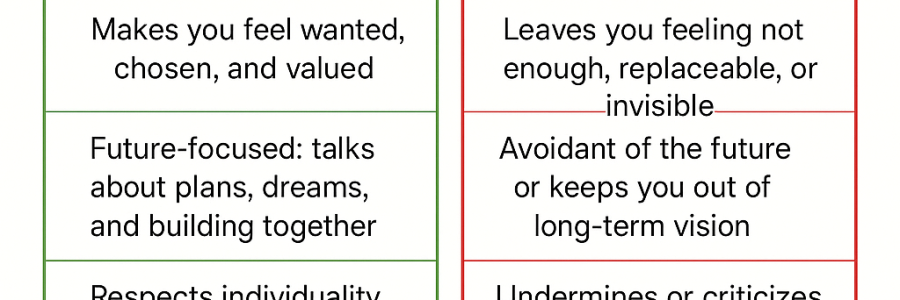
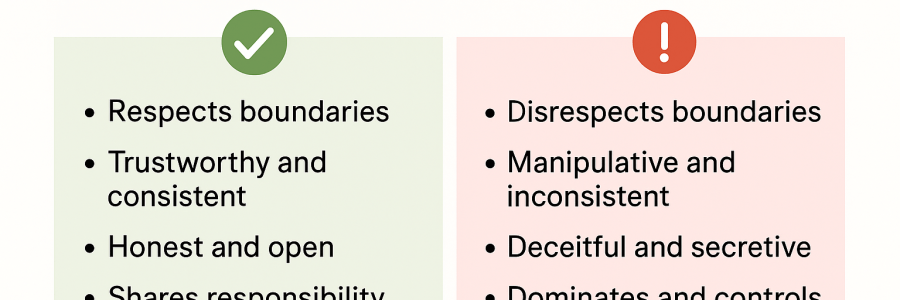
For many survivors of toxic or abusive relationships, the idea of being with a partner who brings safety, joy, and dignity can feel almost unreal. When you finally step into the presence of someone with impeccable manners, a sense of humor, and respect for themselves and others, the difference is life-changing. It’s not about perfection… Read More The Joy of a Real Man: Psychological Benefits of Respect, Laughter, and Pride

When They Don’t Pay Their Own Debts: Protecting Yourself After Abuse

w When someone refuses to take responsibility for their debts, the fallout can ripple through families, relationships, and even your sense of safety. When They Don’t Pay Their Own Debts: Protecting Yourself After Abuse Money is never just money. In abusive relationships, finances are often used as a weapon — a way to control, destabilize,… Read More When They Don’t Pay Their Own Debts: Protecting Yourself After Abuse

“Not mine. Not my debt. Not my life anymore.”

It’s not just about the practical nuisance of bills showing up, it can also feel like an abuser’s shadow still creeping into your safe space. You’ve already taken the big, brave step of legally separating yourself. Now it’s about making sure their financial mess doesn’t spill into your life anymore. Here are some clear steps… Read More “Not mine. Not my debt. Not my life anymore.”

Characteristics of Hidden Cruelty

“Hidden cruelty,” —likely referencing Alice Miller’s work on poisonous pedagogy—refers to subtle, socially accepted forms of harm inflicted on children that are not overtly recognized as abuse. Unlike obvious physical violence or screaming, hidden cruelty is covert, psychologically manipulative, or morally justified, making it hard for both children and society to label it as abusive. Let’s break it… Read More Characteristics of Hidden Cruelty

Early Childhood Trauma and Abuse

A person who is angry and abusive throughout their life usually has deep-rooted patterns that begin early and are reinforced over time. It’s rarely a single cause—more often, it’s a complex mix of childhood experiences, temperament, neurobiology, and social learning. Here’s a detailed breakdown: 1. Early Childhood Trauma and Abuse 2. Learned Behavioral Patterns 3. Neurobiological and… Read More Early Childhood Trauma and Abuse

The Importance of Early Mother-Infant Bonding

1. The Importance of Early Mother-Infant Bonding 2. Effects of an Authoritarian, Militaristic Father in Early Life 3. Psychological and Emotional Consequences 4. Neurobiological Perspective 5. Long-Term Outlook 💡 Summary Insight:Separation from a nurturing mother in the first weeks, combined with an authoritarian father, can set up a child for insecure attachment, hypervigilance, emotional dysregulation, and low… Read More The Importance of Early Mother-Infant Bonding

 Smacking, punishment, and manipulation.

Alice Miller was one of the most outspoken voices on it. Let me expand on her ideas about poisonous pedagogy, then bring in the perspectives of other psychologists and child development experts on smacking, punishment, and manipulation. Alice Miller: Poisonous Pedagogy She argued that these experiences don’t just vanish—they shape the adult psyche, often leading to suppressed… Read More  Smacking, punishment, and manipulation.