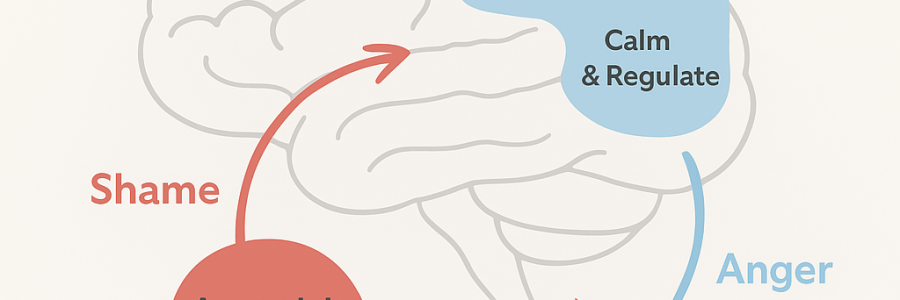
Abusers do not seek connection — they seek regulation.

When an abuser leaves reminders, resurfaces after long no-contact, or engineers moments where you “happen” to see them, there is a very specific neuropsychological mechanism at play. I’ll break it down clearly and calmly. The Core Truth Abusers do not seek connection — they seek regulation. They use you to regulate their nervous system, identity, and sense of… Read More Abusers do not seek connection — they seek regulation.

Familiar pain feels safer than new peace

People relapse back into trauma bonds not because they’ve “forgotten the harm”, but because the brain temporarily prioritizes relief over truth when under stress. This relapse is neurological, predictable, and explainable — which is why understanding it removes self-blame and increases recovery. Here’s what’s really happening. 1. Stress Shrinks the Brain’s Time Horizon Under stress, the brain shifts… Read More Familiar pain feels safer than new peace

The Withdrawal Phase Is Neurological, Not Emotional

No-contact works not because it’s harsh, but because it gives the brain the conditions it needs to rewire. Neurologically, it interrupts addiction-like circuits, stabilizes the nervous system, and allows neuroplastic change to occur. Here’s what’s actually happening in the brain. 1. No-Contact Stops the Reward–Withdrawal Loop In trauma bonds and unstable long-term relationships, contact triggers: Dopamine spikes (anticipation,… Read More The Withdrawal Phase Is Neurological, Not Emotional

“I know this is bad for me — why can’t I let go?”

This is where endings become especially difficult — because trauma bonds and long-term relationships don’t just live in memory or emotion. They live in deep survival circuitry. Let’s connect the neuroscience clearly. Trauma Bonds: When the Brain Links Love to Survival A trauma bond forms when attachment is mixed with: Intermittent reward (affection → withdrawal → repair) Fear, unpredictability, or… Read More “I know this is bad for me — why can’t I let go?”

The Brain Is a Prediction Machine

People resist endings not because they’re weak or dramatic, but because the brain is wired to treat endings as threats to prediction, safety, and identity. Neurologically, several systems activate at once — and understanding them removes a lot of shame. 1. The Brain Is a Prediction Machine Your brain’s primary job is not happiness — it’s prediction. It… Read More The Brain Is a Prediction Machine

Endings Are Not “Failure Signals” to the Brain

From a neural perspective, the brain is not designed to preserve everything—it’s designed to optimize for survival, efficiency, and meaning. When something ends (a relationship, role, identity, environment), the brain initially registers: Prediction error (“this wasn’t supposed to happen”) Uncertainty (which activates stress circuits) But once safety is re-established, the brain does not cling blindly. It begins a process called adaptive… Read More Endings Are Not “Failure Signals” to the Brain

Bluffing and legal intimidation

1. Bluffing ≠ Confidence in Truth PsychologyPeople who threaten legal action without substance rely on a common bias: Most people associate legal threats with innocence or strength. In reality, habitual bluffers understand that: Fear shuts down critical thinking Most people don’t want conflict The cost (emotional, financial) of challenging them feels too high This is coercive… Read More Bluffing and legal intimidation

Heuristic processing

Heuristic processing is a way the brain makes quick judgments and decisions using mental shortcuts, rather than slow, detailed analysis. In simple terms:👉 “This feels right based on past experience, so I’ll go with it.” How heuristic processing works Your brain uses rules of thumb to save time and energy. Instead of evaluating all available information, it relies on patterns,… Read More Heuristic processing

Calm truth creates cognitive dissonance they cannot tolerate

Cognitive dissonance occurs when reality clashes with a person’s self-image. Most abusers hold an internal narrative such as: I’m the victim I’m justified I’m misunderstood I had no choice Your calm, factual truth introduces a competing reality without emotion. That’s the key. Anger can be dismissed.Calm facts cannot. Neuroscience shows that when dissonance cannot be resolved… Read More Calm truth creates cognitive dissonance they cannot tolerate

Why calm truth destabilises abusers more than anger

1. Anger keeps the abuser in control of the nervous-system dance Abusers are neurologically accustomed to high arousal states: Conflict triggers adrenaline and dopamine Anger signals engagement, reactivity, and emotional access It confirms: “I can still affect you” From a brain perspective, anger keeps both people in the same threat loop.The abuser knows this terrain well — they… Read More Why calm truth destabilises abusers more than anger