🔹 Practical Toolkit for Rebuilding Trust & Calming the Nervous System

This toolkit is designed for people healing from betrayal, abandonment, or relational trauma. Each step uses neuroscience and psychology to rewire fear circuits into pathways of safety. 1. Morning Reset: Train Your Nervous System for Safety Why: The brain’s default mode network (rumination center) is most active in the morning. Starting with regulation shifts your baseline. 2. Midday… Read More 🔹 Practical Toolkit for Rebuilding Trust & Calming the Nervous System

Rebuilding Trust After Betrayal: A Neuroscience and Psychology Guide

Healing from broken trust is not just an emotional journey — it’s also a neurological one. The brain, shaped by past betrayal or abandonment, wires itself around vigilance and fear. But neuroscience shows us that through compassion, communication, and consistent reliability, those fear circuits can be rewired into pathways of calm and safety. Below, we’ll… Read More Rebuilding Trust After Betrayal: A Neuroscience and Psychology Guide

Rebuilding Trust: How the Brain Rewires After Betrayal

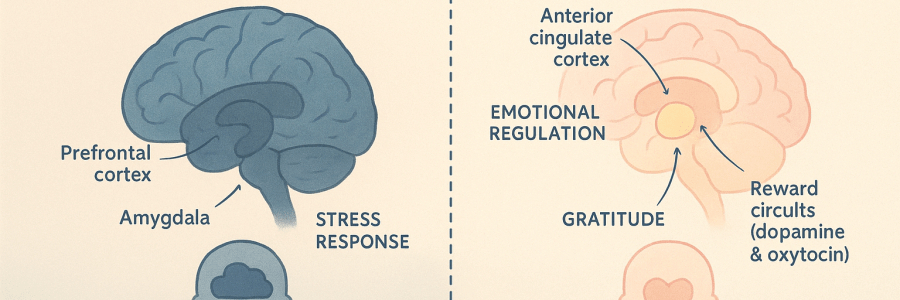
Healing from broken trust is not only a psychological process—it is a neurological one. When safety has been compromised, the brain reorganizes itself around fear and hypervigilance. But through compassion, communication, and consistent reliability, the nervous system can slowly recalibrate. Modern neuroscience shows us how. How Betrayal Shapes the Brain When trust is violated—through lies,… Read More Rebuilding Trust: How the Brain Rewires After Betrayal

When Their Phone Goes Silent: Why Healing Minds Spiral Into Panic

For someone learning to trust again after betrayal, abuse, or abandonment, something as small as a partner turning off their phone can ignite a wave of fear. To outsiders, it may seem irrational. But to the brain and nervous system shaped by past wounds, it feels like danger. The Neuroscience Behind the Panic The brain… Read More When Their Phone Goes Silent: Why Healing Minds Spiral Into Panic

Balance

There’s a powerful balance between living in the present and planning for the future, and neuroscience and psychology both shed light on why this is so crucial for healing. Let’s break it down: 1. Living in the Now: The Neuroscience 2. Planning for the Future: Psychological Benefits 3. Integrating Both: Present + Future 💡 Bottom line: Neuroscience supports living in… Read More Balance

🔹 What Are Schemas?

Psychology: Schemas are mental frameworks—deeply ingrained beliefs and expectations—that help us interpret the world. They’re like shortcuts the brain uses to decide quickly: “Is this safe or dangerous? Can I trust this person?” Example: If you’ve been betrayed, your schema might become: “People I love will eventually hurt me.” Even when someone is kind, your brain runs their actions through… Read More 🔹 What Are Schemas?

Find Your Crowd: The Neuroscience of Surrounding Yourself with the Right People

Human beings are wired for connection. From a neuroscience perspective, our brains are social organs—constantly shaped and reshaped by the people around us. The company we keep doesn’t just influence our mood in the moment; it has lasting effects on how our brains process stress, motivation, and even self-worth. The Brain’s Social Wiring Neuroscience research… Read More Find Your Crowd: The Neuroscience of Surrounding Yourself with the Right People

Lifetime Abuse: The Toll on the Abuser

1. Neuroscience: The Brain in a Constant State of Threat and Control 2. Psychological Effects Over Time 3. Long-Term Consequences Conclusion: The Abuser’s Decline Abuse leaves a double legacy: scars on the victims and corrosion within the abuser. Neuroscience shows that the brain adapts to repeated patterns of rage and control, while psychology reveals the hollowness and isolation… Read More Lifetime Abuse: The Toll on the Abuser

The Connection Between Rejection and Domestic Abuse

Rejection is a powerful emotional experience that touches some of the most primitive regions of the brain. Neuroscience research shows that the brain processes rejection in a similar way to physical pain—the anterior cingulate cortex, the same region activated when the body experiences physical injury, also lights up during experiences of social rejection. This overlap… Read More The Connection Between Rejection and Domestic Abuse