Choosing Joy: Why It’s Better to Be Alone Than With the Wrong Person

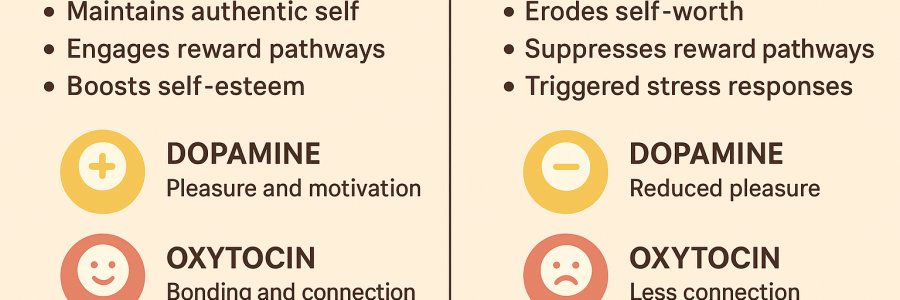
A Psychological & Neuroscience Perspective Time is the one thing we can never get back. Who we spend it with—and how we spend it—shapes our mental health, emotional wellbeing, and even our brain chemistry. Too often, people stay in relationships where their needs and joys are ignored, hoping that companionship alone will fill the void.… Read More Choosing Joy: Why It’s Better to Be Alone Than With the Wrong Person

Stop Settling for Breadcrumbs: Why Equal Investment Matters in Relationships

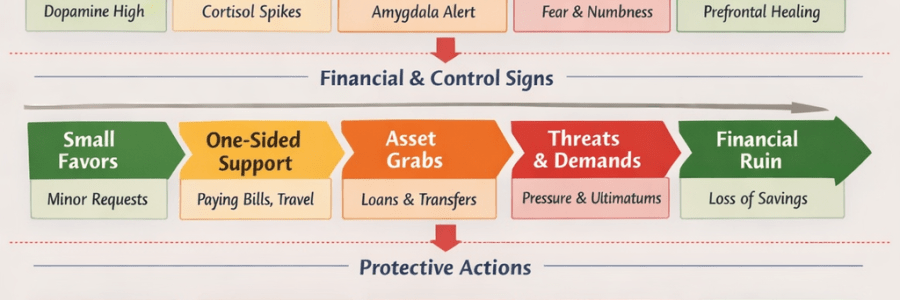
A Psychological & Neuroscience Perspective Many people spend years—even decades—doing things on their own, waiting for a partner to notice or reciprocate. A small compliment, a half-hearted gesture, or a rare evening together may feel like a lifeline. But in truth, these are just breadcrumbs—tiny scraps of attention that keep you hoping, while never truly feeding… Read More Stop Settling for Breadcrumbs: Why Equal Investment Matters in Relationships

Genuine Care vs. Transactional Investment

A Psychological & Neuroscience Perspective At the surface, both scenarios look like “time spent with another person.” But deep in the brain, the motives and neurochemical patterns are very different. The difference shapes how the relationship feels, how stable it is, and whether it nourishes or drains you. 1. Investing Time Because You Genuinely Care Psychology: Neuroscience: Emotional Experience: Feels… Read More Genuine Care vs. Transactional Investment

What It Means When a Partner Constantly Looks at Other Women and Makes Sexual Comments

1. The Psychological Message 2. The Neuroscience Behind It 3. The Pathological Layer Chronic behavior like this can point to deeper issues: 4. The Clear Message to You This behavior communicates: 5. Why It Hurts You Neurologically When you witness this: 👉 Bottom Line:When a man constantly looks at other women and makes sexual comments, it’s… Read More What It Means When a Partner Constantly Looks at Other Women and Makes Sexual Comments

Missing Someone vs. Avoiding Someone: The Brain Science

1. When You Truly Miss Someone If you’ve been away and genuinely care, your brain naturally craves reconnection. 👉 So if you really missed someone, the natural impulse is to spend quality time together. 2. When You Return but Want Little Time Together If someone comes back from being away and avoids closeness, the message is… Read More Missing Someone vs. Avoiding Someone: The Brain Science

Hidden vs. Celebrated: The Psychology of Being Chosen in Relationships

1. Why Visibility Matters When someone is serious about you, they naturally integrate you into their life — introducing you to friends, family, and colleagues. Psychology calls this social integration, and it’s a key marker of commitment. From a neuroscience perspective, when people are genuinely committed, oxytocin (the bonding hormone) rises, strengthening the urge to share… Read More Hidden vs. Celebrated: The Psychology of Being Chosen in Relationships

High Standards

Self-worth, boundaries, and brain chemistry. Here’s how psychology and neuroscience explain why keeping your standards high matters, and why asking “can they afford me?” isn’t just about money — it’s about energy, respect, and emotional investment. 💎 1. Why Standards Matter (Psychology) 🧠 2. Neuroscience of Standards 💼 3. “Can They Afford You?” Beyond Money This question… Read More High Standards

First Dates

Here’s a practical psychology + neuroscience-based guide to creating the right atmosphere for a first date—so it feels natural, enjoyable, and leaves a lasting positive impression: 🌟 1. Where to Go The brain remembers experiences better when they are tied to novelty, safety, and good emotions. 👗 2. What to Wear First impressions are formed within 7 seconds,… Read More First Dates

Serial Cheaters and Freeloaders: A Psychological and Neuroscientific Perspective

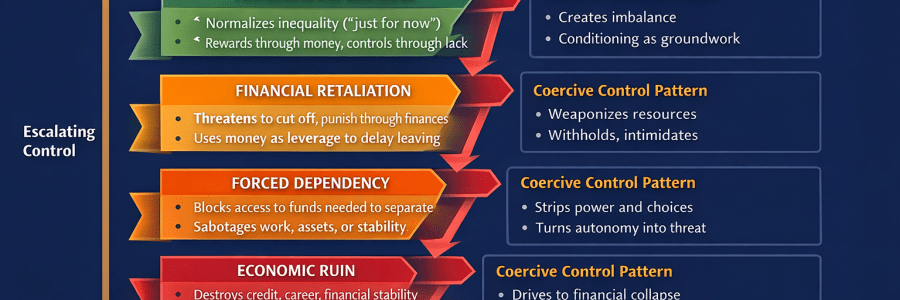
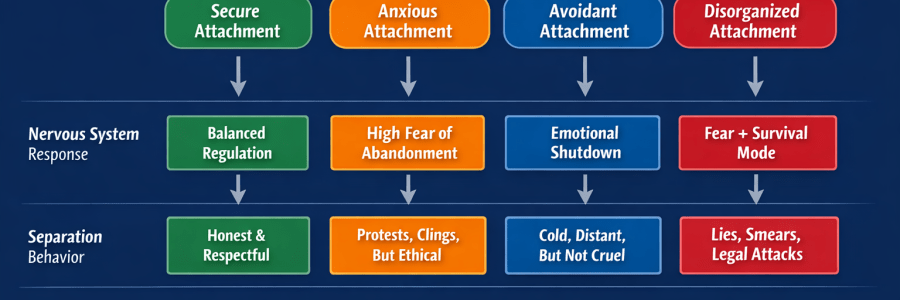
Some people seem to glide through life, taking from others without giving in return—serial cheaters and emotional or financial freeloaders. Understanding why they behave this way requires a mix of psychology, personality science, and neuroscience. 1. Personality Traits and Psychological Patterns a. Narcissism and Antisocial TraitsMany serial cheaters show strong narcissistic tendencies. They often have: Some… Read More Serial Cheaters and Freeloaders: A Psychological and Neuroscientific Perspective

Self-Respect in Relationships: Why You Shouldn’t Beg for Attention

In any healthy relationship, self-respect is the cornerstone. It’s the quiet confidence that you deserve care, attention, and consistency without needing to chase it. Begging for someone’s attention might feel instinctive when you care about them, but neuroscience and psychology show that it often undermines both your self-worth and the health of the relationship. 1.… Read More Self-Respect in Relationships: Why You Shouldn’t Beg for Attention