🌌 Facing Shocking Truths, Finding Your Way Forward 🌌

Sometimes life delivers a moment you cannot ignore. A person steps forward after years of silence, revealing something shocking—something that confirms your worst suspicions, something you know you must act upon for the safety of others. In that instant, you feel the weight of truth land heavy in your heart. 🧠 How the Brain Reacts to… Read More 🌌 Facing Shocking Truths, Finding Your Way Forward 🌌

🧠 Why “Hidden Truths” Eventually Surface

There’s a deep psychological and even neurological explanation for why situations like this unfold the way they do, and why it feels both shocking and relieving when “hidden” truths start surfacing. Let’s break it down from a neuroscience + psychology lens: 🧠 Why “Hidden Truths” Eventually Surface 🧠 Why It Feels So Intense for You 🛡 Why Having External Protection… Read More 🧠 Why “Hidden Truths” Eventually Surface

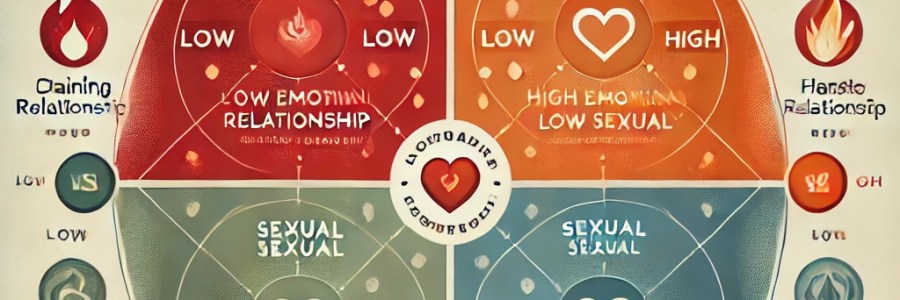
Why Care, Fun, and Affection Should Come Naturally in Love

(Neuroscience & Psychology Perspective) The Core Idea In a healthy relationship, kindness, fun, and affection flow naturally. A man who truly values you will want to spend time with you, take you out, surprise you, make you laugh, and affirm your worth. If you find yourself teaching him how to care, that’s already a sign of imbalance.… Read More Why Care, Fun, and Affection Should Come Naturally in Love

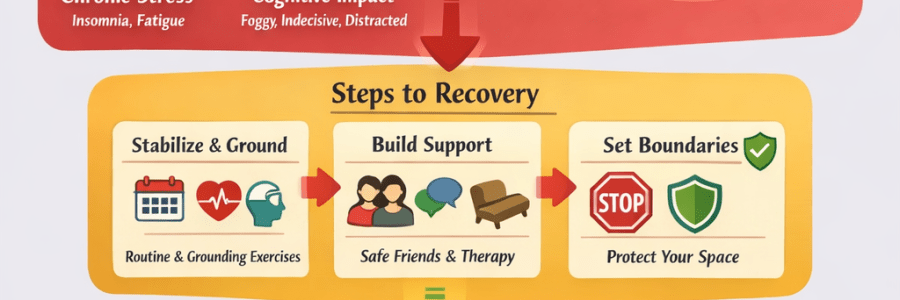
🧠 Neuroscience of Recovery After Abuse & Separation

1. Brain Stress Systems (Damage Phase) 2. Brain Healing & Rewiring (Recovery Phase) 🧩 Psychology of Moving Forward Grief & Trauma Processing Coping Pathways That Work ⚖️ What “Getting On With Life” Looks Like (Brain + Psychology Integration) 💡 Key Insight:Abuse wires the brain for fear, but recovery rewires it for freedom. Divorce and separation are not the end of… Read More 🧠 Neuroscience of Recovery After Abuse & Separation

🧠 Neuroscience of the Con Artist & Catfisher

1. Trust Wiring Exploited 2. Reward & Anticipation 3. Stress Manipulation 🧩 Psychology of the Con Artist & Catfisher 1. Traits of the Manipulator 2. Psychological Tactics 3. Victim Psychology ⚖️ Why It Works Your brain is designed for connection, hope, and trust.A con artist or catfisher hijacks these natural systems: It’s not about being “naïve” — it’s about biology being weaponized.… Read More 🧠 Neuroscience of the Con Artist & Catfisher

🧠 Why deciding is so difficult

🚩 When to Decide It’s Not Right Psychology and neuroscience agree on a few key “point of no return” markers: 1. Repeated Betrayal 2. Erosion of Trust 3. Self-Identity is Compromised 4. No Genuine Effort from Them 5. Your Nervous System Knows 🧭 How to Decide Ask yourself three neuroscience-based questions: If the answers point to anxiety, repetition, and dread,… Read More 🧠 Why deciding is so difficult

🔎 Why “chances” feel tempting

When we’ve invested 6 months in someone, the brain often resists letting go because of reward pathways and bonding hormones: 🚩 The psychology of repeated red flags 📊 What research suggests 🧠 A neuroscience-based guideline Instead of asking “How many chances?”, ask: 👉 Psychology and neuroscience both point to this truth:One or two chances with real change is… Read More 🔎 Why “chances” feel tempting

Genuine Friendships: The Neuroscience and Psychology of Trust Without Agendas

Life is often described as a journey, and the people we meet along the way shape that journey more than the destinations themselves. Among all relationships, genuine friendships—those rooted in authenticity, trust, and no hidden agenda—are the ones that leave the deepest imprint on our brains and hearts. The Psychology of Genuine Connection At the… Read More Genuine Friendships: The Neuroscience and Psychology of Trust Without Agendas