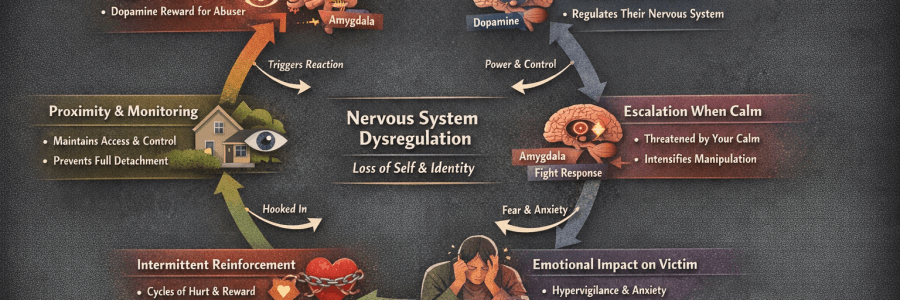
Playing head games with vulnerable people has clear roots in neuroscience and psychology.

Let’s break it down in a way that helps you see it, understand it, and protect yourself. 🧠 What “head games” actually are (psychologically) At their core, head games are about control through confusion. Common tactics include: Mixed signals (hot → cold → hot) Saying one thing, doing another Withholding affection or communication Creating emotional highs, then… Read More Playing head games with vulnerable people has clear roots in neuroscience and psychology.

Why words and reality often don’t match.

Not everyone who says they want a serious relationship is actually capable of one. And neuroscience and psychology explain why words and reality often don’t match. Here’s a grounded, evidence-based way to understand it — without becoming cynical, but staying sharp. 🧠 Why people say they want something they can’t deliver 1. Dopamine vs. Commitment Early dating triggers the brain’s reward… Read More Why words and reality often don’t match.

The Danger of Putting Yourself Out There on Dating Apps Before You’re Ready

Dating apps can feel like a thrill—a swipe, a message, and suddenly someone new is in your life. But here’s the truth: if you’re not truly ready, you’re setting yourself up for frustration, emotional exhaustion, and encounters with people who are not actually available, despite what they say. 1. The “Relationship” Illusion Many profiles say: “Looking for… Read More The Danger of Putting Yourself Out There on Dating Apps Before You’re Ready

Genuine interest with emotional maturity

Here are the 3 subtle signs someone has genuine feelings but is just pacing things carefully: 🌱 1. They are consistent… just not intense What it looks like: They check in regularly (not obsessively) Communication is steady, not overwhelming They don’t disappear, even if they’re busy Key difference from manipulation: A manipulative person is intense → then inconsistent… Read More Genuine interest with emotional maturity

🔍 Genuine Interest vs Manipulation

At the start, genuine interest and manipulation can feel almost identical. The difference only becomes clear when you look at patterns over time, not just how someone makes you feel in the moment. Let’s break it down in a very real, practical way: 🔍 Genuine Interest vs Manipulation ❤️ 1. Consistency vs Intensity Genuine interest: Grows steadily They… Read More 🔍 Genuine Interest vs Manipulation

Dating Sites

Dating sites themselves aren’t inherently dangerous—but they do carry real risks, mainly because they connect you with strangers quickly and often emotionally. The level of danger depends much more on how they’re used than the platform itself. Here’s a clear, grounded breakdown: ⚠️ The main risks 1. Emotional manipulation (very common) This is actually the biggest risk—not physical harm.… Read More Dating Sites

Fast moving relationships

Neuroscience: Why It Feels So Powerful Early intense relationships often activate: Dopamine → pleasure, excitement, craving (like a reward loop) Oxytocin → bonding and attachment (especially through physical intimacy) Testosterone & estrogen → sexual desire and chemistry Low serotonin → can create obsessive thinking about the person This combination can feel like: “This is incredible” “I’ve never felt this… Read More Fast moving relationships

Guidelines for a New Relationship

In a new relationship, how often you see each other can make a big difference in building a healthy connection without overwhelming the bond. Neuroscience and psychology give us some insight into pacing. 1. The Science Behind Early Connection Dopamine & Reward: Seeing each other releases dopamine, making interactions exciting and reinforcing. But too much too soon can… Read More Guidelines for a New Relationship

Neuroscience of Real Love

Real love is more than just butterflies or excitement—it’s a mix of neuroscience, psychology, and deep emotional patterns. Understanding it through both fields can help you distinguish authentic love from infatuation or temporary attachment. Here’s a detailed breakdown: 1. Neuroscience of Real Love Brain Regions Involved Ventral Tegmental Area (VTA) – the “reward center.” Releases dopamine when you feel connection… Read More Neuroscience of Real Love