Genuine interest with emotional maturity

Here are the 3 subtle signs someone has genuine feelings but is just pacing things carefully: 🌱 1. They are consistent… just not intense What it looks like: Key difference from manipulation: 👉 You won’t feel “highs and lows”…You might feel: “I wish it was progressing faster”—but not anxiety. 🧠 2. They are emotionally present, but not rushing intimacy… Read More Genuine interest with emotional maturity

🔍 Genuine Interest vs Manipulation

At the start, genuine interest and manipulation can feel almost identical. The difference only becomes clear when you look at patterns over time, not just how someone makes you feel in the moment. Let’s break it down in a very real, practical way: 🔍 Genuine Interest vs Manipulation ❤️ 1. Consistency vs Intensity Genuine interest: Manipulation: 👉 Key… Read More 🔍 Genuine Interest vs Manipulation

Dating Sites

Dating sites themselves aren’t inherently dangerous—but they do carry real risks, mainly because they connect you with strangers quickly and often emotionally. The level of danger depends much more on how they’re used than the platform itself. Here’s a clear, grounded breakdown: ⚠️ The main risks 1. Emotional manipulation (very common) This is actually the biggest risk—not physical harm.… Read More Dating Sites

Guidelines for a New Relationship

In a new relationship, how often you see each other can make a big difference in building a healthy connection without overwhelming the bond. Neuroscience and psychology give us some insight into pacing. 1. The Science Behind Early Connection 2. Psychological Considerations 3. Guidelines for a New Relationship 4. Red Flags of “Too Much Too Soon” 5. Red Flags of “Too… Read More Guidelines for a New Relationship

Intensity triggers the brain’s fear system

In the early stage of a relationship it is very common for someone to feel a strong connection and then suddenly pull back. Psychology and neuroscience show several reasons why this happens. 1. Intensity triggers the brain’s fear system At the beginning of attraction, the brain releases dopamine, oxytocin, and adrenaline. These chemicals create excitement, passion, and the… Read More Intensity triggers the brain’s fear system

The healthy balance

Here are 5 subtle signs someone may have weak or unhealthy boundaries in relationships, based on findings in relationship psychology and behavioural neuroscience. 1. Difficulty saying “no” One of the clearest signs of weak boundaries is the inability to refuse requests. People with this pattern often: Psychologists link this behaviour to a strong need for approval. The… Read More The healthy balance

Social Connection and Healthy Relationships

Recovering from long-term abuse is a deeply challenging process because the brain and nervous system have adapted to constant stress, threat, and control. Neuroscience and psychology highlight several key needs for survivors to heal effectively. These needs target retraining the nervous system, rebuilding self-esteem, and restoring emotional safety. Here’s a comprehensive overview: 1. Safety and Stabilization Neuroscience: Chronic abuse keeps the brain… Read More Social Connection and Healthy Relationships

Survivors Process Reality — Abusers Often Avoid It

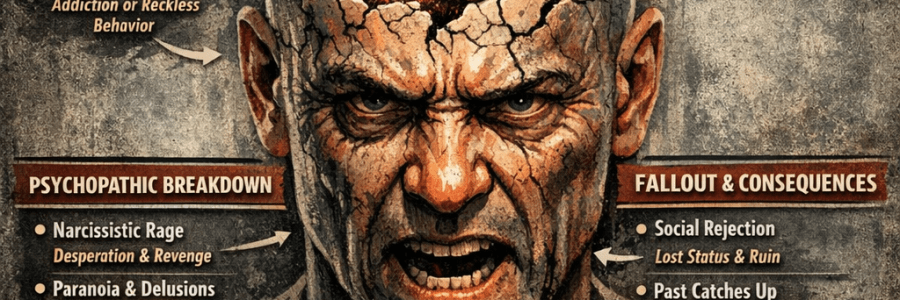
After an abusive long-term relationship ends, many people notice a striking contrast over time: the survivor gradually becomes stronger and more peaceful, while the abusive partner often becomes more bitter, chaotic, or unstable. Research in Psychology and Neuroscience helps explain why these two paths can diverge so dramatically. 1. The Survivor’s Brain Begins Healing Once the abusive environment is gone,… Read More Survivors Process Reality — Abusers Often Avoid It

Post-traumatic growth

After leaving an abusive long-term marriage, many people go through something psychologists call post-traumatic growth. Research in Psychology and Neuroscience shows that although trauma is deeply painful, the brain and mind can actually develop new strengths and capacities during recovery. This does not mean the trauma was positive — but it means the brain is capable of transforming adversity into growth. 1. The… Read More Post-traumatic growth