Poisonous Pedagogy vs. Healthy Discipline

(Based on Alice Miller’s insights) 1. Poisonous Pedagogy (Schädliche Pädagogik) Definition:A child-rearing approach that teaches obedience through fear, shame, and humiliation, rather than respect, empathy, and guidance. Key Traits: Underlying Motivation (per Miller): Child Experience: Classic Example (from Miller’s work): A child expresses sadness; the parent says:“Stop whining! You are weak! You’ll never amount to anything!”Then… Read More Poisonous Pedagogy vs. Healthy Discipline

Safety-Based Interaction Strategy

(How to respond to each type without escalating harm) 1) Shame-Based Defensive Aggression Goal: Reduce threat + maintain boundaries + prevent escalation Best Strategy: How to Speak: “I’m not attacking you. I’m sharing my experience.” “Let’s pause this conversation.” “I’m stepping back for now.” What Works: What Backfires: Why: Their nervous system reads pressure as threat. 2) Narcissistic… Read More Safety-Based Interaction Strategy

When Your Truth Is Used Against You

This usually happens when honesty meets emotional insecurity, shame, or control-based relating. It does not mean you were wrong to be open.It means the recipient lacked emotional safety and integrity. What This Behavior Actually Means When someone uses your truth against you, it tells you: They see vulnerability as leverage, not connection. Healthy people think: “They trusted me.” Unsafe… Read More When Your Truth Is Used Against You

1. How To Spot Shame-Based Defensive Aggression Early

These signs show up long before big explosions. 🚩 Early Warning Signs 1. Overreaction to mild feedbackSmall observations → big emotional reactions→ disproportionate defensiveness→ irritation, sarcasm, shutdown, or subtle hostility 2. Zero curiosity about your experienceThey don’t ask: “What made you feel that way?” They say: “That’s ridiculous.” 3. Fragile self-imageThey: Underneath is identity fragility. 4. Blame reflexProblems… Read More 1. How To Spot Shame-Based Defensive Aggression Early

Shame-Based Defensive Aggression

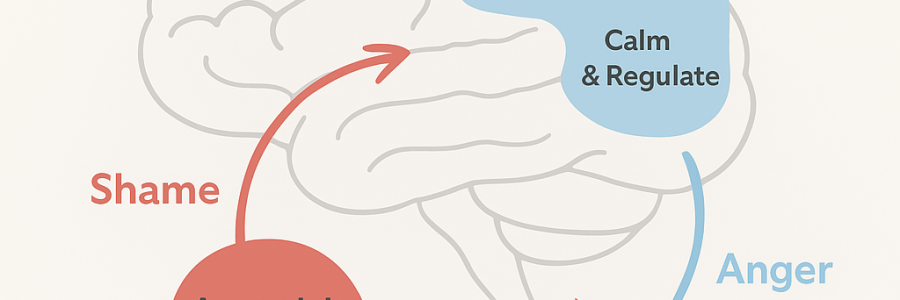
(Why some people attack when exposed) This is what happens when deep shame is activated, and the person does not have the emotional capacity to tolerate it. Instead of processing, reflecting, or repairing —they flip into attack mode. The Core Mechanism Shame feels like existential threat to certain nervous systems. Not: “I made a mistake.” But: “I am a mistake.” So the… Read More Shame-Based Defensive Aggression

Defensive reactions to shame and fear.

When someone is confronted with truth + evidence and their response is to threaten, triangulate, or punish, instead of reflect, clarify, or take responsibility, it reveals their character, not yours. Here’s what that behavior strongly indicates: 1. They feel exposed Threats and blocking are classic defensive reactions to shame and fear. Not: “Let me explain.” But: “I feel cornered. I need… Read More Defensive reactions to shame and fear.

Psychological Profile Comparison

Healthy Partner vs Financial & Emotional Groomer Understanding how healthy people relate versus how groomers operate makes red flags far easier to spot early — before emotional or financial harm occurs. This comparison focuses on patterns, not labels. Core Motivation Healthy Partner→ Connection, mutual growth, shared experience, emotional reciprocity Groomer / Predator→ Stability extraction, emotional supply, financial access, lifestyle maintenance… Read More Psychological Profile Comparison

Why Predators Target Empathic People

1. Empathy = Emotional Access Empathic people feel others deeply. You tune into mood shifts, pain, loneliness, insecurity, hope. Predators need: Empaths naturally provide that access. Not because they are naive — but because they are perceptive and emotionally open. 2. Empaths See Potential — Predators See Opportunity Empaths look at people and think: Who could you become? Predators… Read More Why Predators Target Empathic People

How to Spot Financial vs Emotional Exploitation

Because They Look Similar — But Feel Different Exploitation in relationships rarely announces itself. It often arrives as: But underneath, there are two common patterns:financial exploitation and emotional exploitation. Here’s how to tell the difference — and why both are damaging. 💰 Financial Exploitation “I need your resources.” This is about money, material support, and lifestyle access. Common… Read More How to Spot Financial vs Emotional Exploitation

The Psychology of Dating Predators

Why They Seem So Charming — and Why They’re So Dangerous Dating predators rarely look predatory. They don’t appear cruel, threatening, or obvious.They often appear charming, vulnerable, attentive, fascinating, or emotionally intense. Which is precisely why they succeed. What Is a Dating Predator? A dating predator is someone who seeks emotional, psychological, financial, or sexual benefit from… Read More The Psychology of Dating Predators