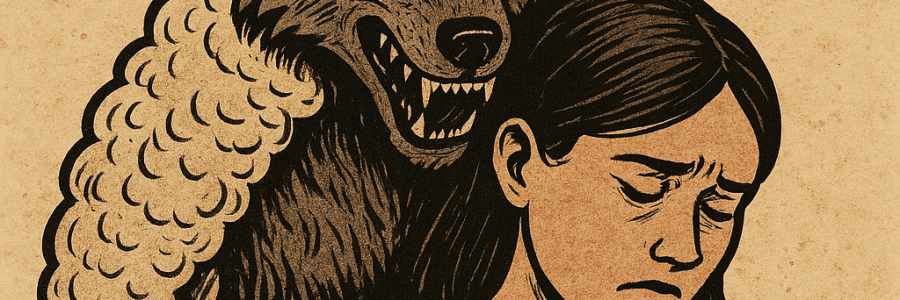
Denial, Silence, and the Cycle of Abuse: How Families Enable Abusers

Denial, Silence, and the Cycle of Abuse: How Families Enable Abusers Abuse thrives in silence. When abusers manipulate, intimidate, and harm their victims, they rely on one powerful tool to continue their behavior: denial. Not only do they deny their own actions, but they also build a protective shield around them, often enlisting their families… Read More Denial, Silence, and the Cycle of Abuse: How Families Enable Abusers

How Abusers Create Tension in Social Settings to Isolate Their Victims

In healthy relationships, social gatherings are a source of joy, connection, and support. But in abusive relationships, these events often turn into stressful, anxiety-inducing experiences designed to push friends and family away. This isolation tactic is subtle at first, but over time, it can completely cut the victim off from their support system. This article explores:✔️ How abusers… Read More How Abusers Create Tension in Social Settings to Isolate Their Victims

High Risk Factors

In domestic violence cases, certain high-risk factors significantly increase the likelihood of serious injury or homicide. Recognizing these warning signs is crucial for early intervention and protection. Top High-Risk Factors in Domestic Violence These risk factors have been identified through lethality assessments and studies on intimate partner homicides. 1. Strangulation (Highest Risk Factor) 2. Use of Weapons or Access to Weapons… Read More High Risk Factors

How Law Enforcement & Courts View Strangulation

strangulation is one of the most serious and dangerous forms of domestic violence and is recognized as a key lethality risk factor. It is often a strong predictor of escalating violence and homicide in abusive relationships. Why Strangulation is Extremely Dangerous in Domestic Violence Cases How Law Enforcement & Courts View Strangulation What to Do If Someone Has Been Strangled Strangulation… Read More How Law Enforcement & Courts View Strangulation

Gender-based violence (GBV)

Gender-based violence (GBV) is taken extremely seriously in Spain, and the country has a robust legal and institutional framework designed to protect victims and combat violence. Below is a detailed overview of how GBV is addressed, ranging from legal measures to victim support and prevention initiatives: 1. Legal Framework Spain has comprehensive laws aimed at addressing gender-based violence,… Read More Gender-based violence (GBV)

DASH report

A DASH report in the UK refers to the Domestic Abuse, Stalking, and Harassment (DASH) Risk Identification Checklist (RIC). It is a structured tool used by police, social services, and domestic abuse support workers to assess the risk level faced by a victim of domestic abuse, stalking, harassment, or “honour”-based violence. What Does a DASH Report Show? The… Read More DASH report

The Right to Protect Myself: When Seeking Safety Becomes a Battle

The Right to Protect Myself: When Seeking Safety Becomes a Battle Over the past six months, I have witnessed friends and acquaintances fighting for their lives—real battles, struggles against illness, hardships, and loss. In stark contrast, the only battle my husband has been focused on is fighting me for money. His relentless pursuit to punish… Read More The Right to Protect Myself: When Seeking Safety Becomes a Battle

How Restraining Orders Work in Spain

How Restraining Orders Work in Spain In Spain, restraining orders (órdenes de alejamiento) are legal measures designed to protect victims of domestic violence, harassment, or threats. They prevent an offender from approaching, communicating with, or being near the victim. These orders are common in cases of gender-based violence (violencia de género) but can also apply to other… Read More How Restraining Orders Work in Spain