The Psychology of Fake Success: Why Some People Pretend to Have It All

Some people wear success like a costume —designer smiles, borrowed confidence, rehearsed charm.They don’t chase joy; they chase perception.Because if they can make you believe they’re winning,maybe they can silence the voice that says they’re not enough. Psychology calls it impression management —a performance built on fear of rejection and a hunger for validation.They seek applause, not connection.They… Read More The Psychology of Fake Success: Why Some People Pretend to Have It All

The Psychology of Pretending: When Wealth and Success Are Just a Mask

Some people wear luxury like armor. They flash cars, holidays, and designer labels not to express joy, but to hide emptiness.Behind the image of success, there’s often insecurity — a deep need to be seen, admired, or envied. It’s not confidence. It’s camouflage. The Psychology Behind the Performance Psychologists call this “self-enhancement” — exaggerating one’s image to… Read More The Psychology of Pretending: When Wealth and Success Are Just a Mask

For All the Great Pretenders on Dating Sites: A Psychological Reflection

For all the great pretenders on dating sites — the ones who say they’re looking for love, adventure, or connection, yet hide behind filters, false stories, and borrowed charm — this is for you. You craft profiles like performances, painting yourself as emotionally available, well-traveled, kind, and “just looking for something real.” But the truth… Read More For All the Great Pretenders on Dating Sites: A Psychological Reflection

For the Women Who Believed Him: A Psychological Reflection

For all the widowed and divorced women who believed the man who said he wanted to go travelling, who claimed he didn’t have anger issues, and who swore he just had a “phobia of commitment” — this is for you. You believed in potential. You believed in kindness. You believed in healing and in second… Read More For the Women Who Believed Him: A Psychological Reflection

Consistency and Trustworthiness: The Neuroscience of Betrayal and Repair

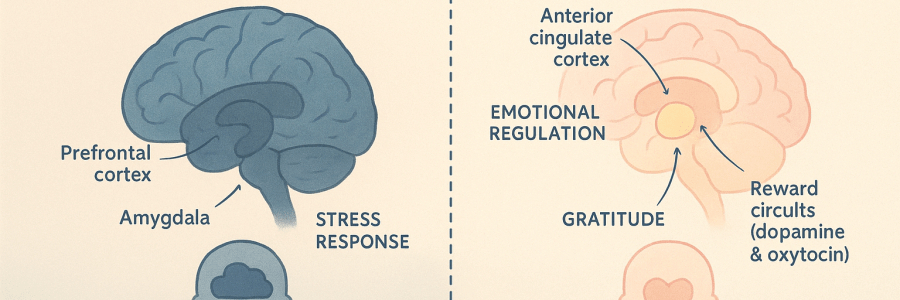
Transparency isn’t a single act — it’s a continuous rhythm between intention and behavior. Real trust is built through repetition: words aligning with actions, time after time. From a neuroscience perspective, this consistency literally wires safety into the brain. When someone behaves predictably and truthfully, your nervous system begins to relax. The brain releases oxytocin —… Read More Consistency and Trustworthiness: The Neuroscience of Betrayal and Repair