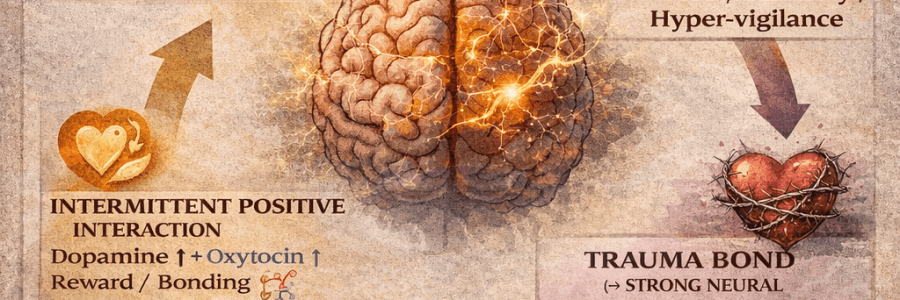
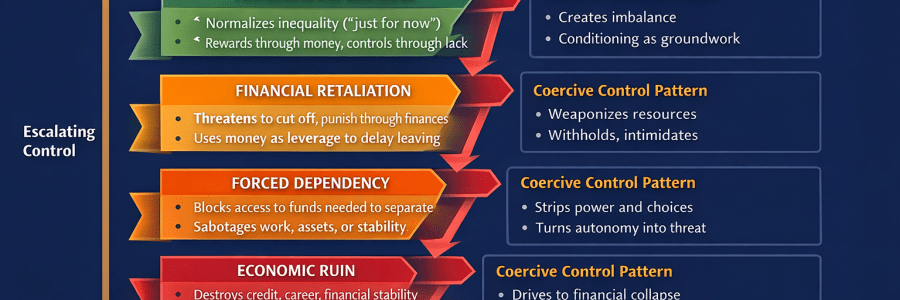
When theres no hope
1. Grooming & Hygiene 2. Clothing & Appearance 3. Physical Health & Lifestyle 4. Sexual & Libido 5. Emotional Engagement & Relationship Behavior ⚠️ Patterns to Watch
A recognizable pattern of “letting oneself go” in a long-term relationship or marriage. It’s important to see this as a combination of physical, emotional, and behavioral signs, not just laziness or lack of care. Here’s a breakdown of the main signs:- 1. Grooming & Hygiene These are signs of reduced self-care, often reflecting apathy or depression, not just… Read More “Letting oneself go”
There isn’t a single statistic that captures all the things you listed (grooming, libido, hygiene, money habits, emotional effort, health complaints), but research gives us some useful clues: Physical appearance & grooming Weight gain & health habits Libido & sexual energy Emotional effort & generosity Hygiene & self-care neglect This is harder to measure, but relationship… Read More How many married men “let themselves go”?
Dating men 65+ has been quite the sociological study. Many seem entirely absorbed in their own stories — to the point they don’t notice they haven’t asked a single question. That’s usually when my eyes begin to glaze over. 😌 One gentleman even perfected the art of changing the subject the moment I began to share… Read More Dating over 60
Sometimes what presents itself as “love with benefits” is, on closer inspection, simply benefits in search of love — preferably with a direct debit attached. There’s a subtle psychological distinction between genuine emotional connection and instrumental relating. One is rooted in curiosity, reciprocity, and shared emotional presence. The other begins with unmet needs, entitlement, and a… Read More Love with benefits
Genuine question: are they looking for a romantic partner, or recruiting for a full-time position as carer, housekeeper, and personal ATM? 😄 Because neuroscience tells us that when someone leads with neediness, entitlement, or dependency instead of curiosity, reciprocity, and emotional availability, they’re often not seeking connection — they’re seeking regulation, rescue, and resources. In psychology,… Read More Romance isn’t dead
Who said romance is dead? A big thank you to all the lovely people who sent me Valentine’s wishes, cards, and messages — you truly made my day. Feeling very grateful 💕 xxxx Linda – Always by your side
(And Why It Is Still a Serious Crime) 1) Access: Unlimited vs Limited Face-to-face grooming: Online grooming: Psychological impact:Online predators can reach hundreds or thousands of potential victims, selecting the most vulnerable. 2) Speed of Emotional Bonding Online: Emotional bonds form faster because: Victims often feel: “This person truly understands me.” Neuroscience:Digital intimacy still activates: 👉 The brain… Read More How Online Grooming Differs From Face-to-Face Grooming
(Psychology, Neuroscience & Family Dynamics) 1) Excessive Attention Toward One Child What it looks like: Why families miss it:It looks like kindness, mentorship, generosity, or care. What it often signals:👉 Targeted emotional grooming Predators rarely treat all children equally.They select and focus. 2) Isolation Patterns What it looks like: Why families miss it:It looks like bonding or… Read More Early Red Flags Families Often Miss — or Observe and Choose to Ignore
Psychological & Neurological Mechanisms Grooming is not accidental.It is a deliberate psychological conditioning process designed to build trust, emotional dependence, secrecy, and compliance. 1) The Core Psychology of Grooming Grooming is based on influence, not force. Predators rarely use violence at first.They use connection, kindness, attention, and emotional bonding. Psychological goals: 2) The 6 Psychological Stages of Grooming Stage 1… Read More How Grooming Works