No Contact

Not always ❤️ — although it can certainly feel that way. “No contact” can mean very different things depending on the context: The tricky part is that our minds often interpret silence as rejection. But silence can just as easily be confusion, self-protection, or an inability to communicate. 👉 A better way to frame it might be: “No contact means either they don’t want… Read More No Contact

Soulmate

If someone feels like a soulmate, they often do naturally want to stay connected. Not out of control, obsession, or surveillance, but from a genuine desire to share life with you. They’ll want to know how your day is going, whether you’re feeling okay, what’s exciting you, or even just the small everyday details. Daily contact… Read More Soulmate

It holds no chains, only open hands.

After coming from a relationship where control, criticism, and selfishness ruled, experiencing someone who genuinely sees you and wants what’s best for you — even if it means letting you go — can feel almost unreal. This kind of love is different from the hungry, grasping kind that says “you must be mine”. It’s what I’d call soul-level love: Sometimes this… Read More It holds no chains, only open hands.

A Miracle

Because when you finally meet someone who really sees you after years of being unseen, it can feel like a miracle… but then the shadow of your ex shows up, as if he’s still trying to stand between you and happiness. Here’s the truth: abusive or controlling ex-partners often linger like ghosts. Even if they’re not physically… Read More A Miracle

Why Sex and Abuse Don’t Mix: The Neuroscience and Psychology Behind Lost Desire

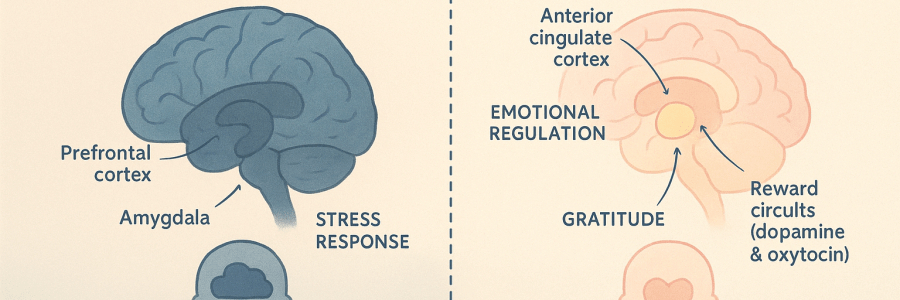
When someone has lived under the control of an abuser—whether the abuse is emotional, physical, sexual, or financial—the idea of sex often becomes the last thing they want to think about. Many survivors describe not only a loss of desire, but also a deep aversion to sex, even in safe relationships later on. This isn’t weakness, and it… Read More Why Sex and Abuse Don’t Mix: The Neuroscience and Psychology Behind Lost Desire

Why someone might need antipsychotic medication

Why someone might need antipsychotic medication Antipsychotics aren’t only prescribed for schizophrenia (which many people assume). They can also be used for: Essentially, these medications help regulate brain chemistry, especially dopamine and serotonin, to reduce overwhelming symptoms like hallucinations, paranoia, mood extremes, or agitation—so that someone can live more stably and safely. Should they disclose this… Read More Why someone might need antipsychotic medication

Mood instability

When someone takes antipsychotic medication inconsistently—coming on and off it without medical guidance—it can seriously destabilize their brain chemistry and emotional state. Here’s what typically happens: 1. Neurotransmitter disruptionAntipsychotics work by balancing dopamine (and often serotonin). When the medication is suddenly stopped, dopamine activity can rebound, sometimes leading to agitation, paranoia, or mood swings. Restarting… Read More Mood instability