“It’s All About Me”: The Neuroscience of Self-Centered Suffering

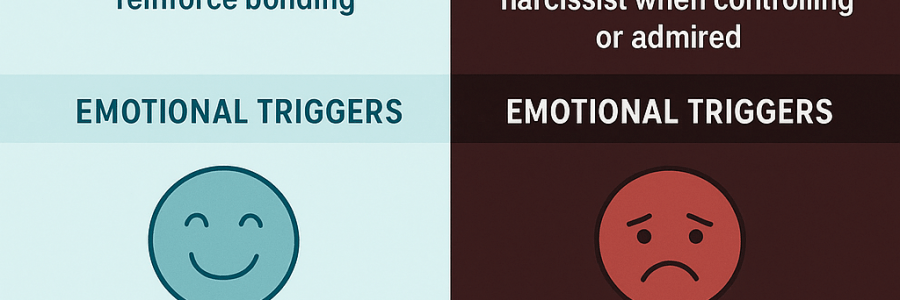
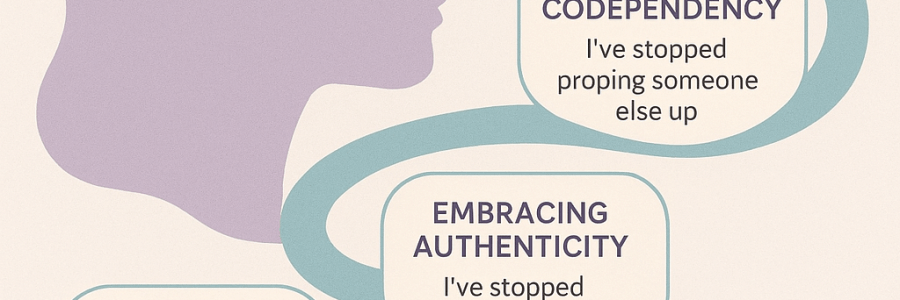
Ever met someone who’s always hurt, always a victim, always “me, me, me”? It’s not just bad manners—it’s neuroscience and psychology at work. Why It Happens Psychological Patterns The Social Cost People stuck in this loop often strain relationships, push support away, and stall personal growth. Breaking Free Bottom line: It’s more than selfishness. Self-centered suffering is… Read More “It’s All About Me”: The Neuroscience of Self-Centered Suffering

When It’s All About Me: Neuroscience and Psychology of Victim Mentality

In our interactions, we sometimes encounter individuals who seem trapped in a cycle of self-centered suffering: “I am hurt, I am a victim, the world is against me.” While it’s easy to dismiss such behavior as immaturity or selfishness, neuroscience and psychology reveal deeper mechanisms driving this pattern. 1. The Psychology of Victimhood Psychologists describe chronic self-victimization… Read More When It’s All About Me: Neuroscience and Psychology of Victim Mentality

Emotional Immaturity and the Brain

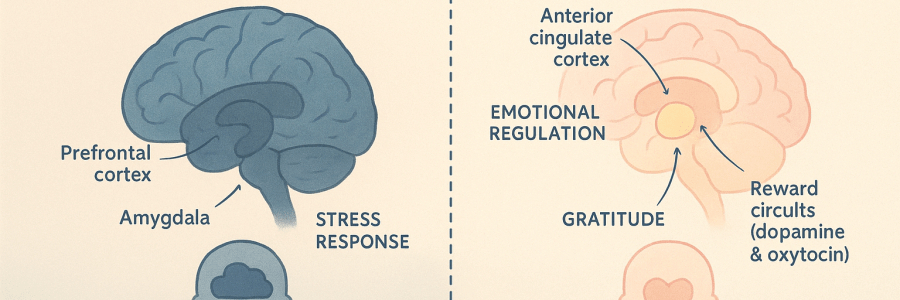
Emotional immaturity isn’t just a personality quirk — it’s reflected in neural circuitry: 2. Early Life Experiences Shape Neural Pathways Early attachment experiences profoundly influence the brain’s wiring: 3. Hormonal and Neurochemical Factors Certain neurochemicals underpin these behaviors: 4. Replication of Childhood Patterns The behaviors you see in emotionally immature adults are often neural habits, reinforced over decades: 5. Implications Understanding… Read More Emotional Immaturity and the Brain

When People Won’t Communicate and Play Games

The Neuroscience and Psychology Behind Emotional Avoidance Few things are more confusing or draining than dealing with someone who refuses to communicate directly — who plays mind games, gives mixed signals, or shuts down instead of being honest. It’s not just frustrating; it’s emotionally destabilizing. Neuroscience shows why these patterns affect us so deeply and… Read More When People Won’t Communicate and Play Games

Love Is Like a Delicate Plant: The Psychology of Nurturing Connection

In the language of psychology, love is often seen not as a fixed emotion but as a living, evolving process — something that requires care, attention, and balance. Much like a delicate plant, love grows when it’s nurtured and fades when neglected. The Seed: Beginnings of Connection Every relationship begins with a seed — attraction,… Read More Love Is Like a Delicate Plant: The Psychology of Nurturing Connection

Silence can be deadly

When someone stops reacting, it’s often not peace; it’s detachment. In relationships, emotional responses like anger, frustration, or even tears still show investment — the person cares enough to feel. But once they reach a point of silence, it can signal emotional exhaustion or withdrawal, where the brain protects itself by shutting down attachment responses. From a neuroscience and psychology perspective: So… Read More Silence can be deadly

Getting Out and About: When Life Gets Interesting and More in Tune with What You Love

Neuroscience and Psychology of Reconnection There comes a moment — often after a long stretch of isolation, loss, or emotional fatigue — when something inside us stirs. It’s not a loud signal, but a quiet invitation from the brain and heart to reengage with life. To get out, explore, and rediscover what makes you feel… Read More Getting Out and About: When Life Gets Interesting and More in Tune with What You Love

🌿 Reconnecting with Reiki — Returning to My Roots in Healing

There are moments in life when we find ourselves drawn back to the practices that first helped us heal. For me, that practice is Reiki. Decades ago, while living in France, I had the privilege of training with a remarkable Reiki Master whose lineage was very close to the original source of this profound Japanese healing… Read More 🌿 Reconnecting with Reiki — Returning to My Roots in Healing