🧭 HOW TO EXIT FAST-INTIMACY GRACEFULLY

(Nervous system → behaviour → language → outcome) 1️⃣ FIRST: REGULATE BEFORE YOU SPEAK Fast intimacy triggers sympathetic arousal (urgency, pressure, obligation). Before responding: You’re signaling down-regulation. This alone often dissolves the dynamic. 2️⃣ NAME THE PACE — NOT THE PERSON Never say: These trigger shame and escalation. Instead, anchor in your nervous system. Gentle pacing language: Secure people… Read More 🧭 HOW TO EXIT FAST-INTIMACY GRACEFULLY

PACING INTIMACY SO MUTUALITY EMERGES

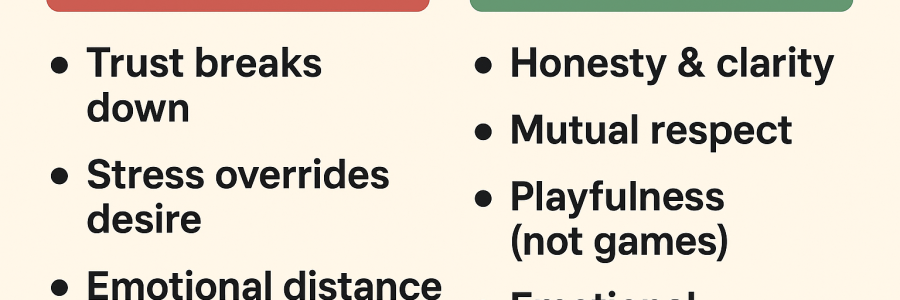
Here is a clear, practical map for pacing intimacy so mutuality has time to reveal itself, instead of intensity doing the work. This isn’t about holding back or playing games — it’s about letting two nervous systems rise together. 🧭 PACING INTIMACY SO MUTUALITY EMERGES (Nervous system → behaviour → outcome) 1️⃣ THE CORE PRINCIPLE (THIS MATTERS) Intimacy should… Read More PACING INTIMACY SO MUTUALITY EMERGES

🧠 TRAUMA BONDING vs 🧠 TRUE INTIMACY

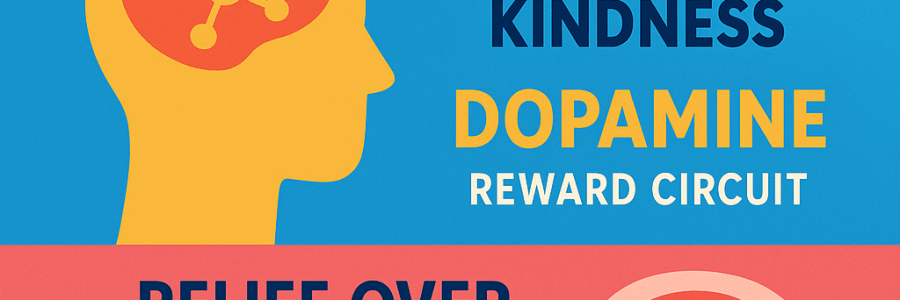
(Why fast feels deep — but isn’t) 1️⃣ THE NEUROCHEMISTRY TRICK 🧠 Trauma bonding brain This cocktail creates: Urgency + intensity + emotional fusion Your brain mistakes relief for connection. 🧠 True intimacy brain This creates: Safety + curiosity + gradual trust It feels calmer — sometimes even “boring” at first. 2️⃣ SPEED IS THE FIRST GIVEAWAY 🚩… Read More 🧠 TRAUMA BONDING vs 🧠 TRUE INTIMACY

🧠 SECURE vs AVOIDANT COMPANIONSHIP BRAINS

(Brain → behaviour → relationship experience) 🟢 SECURE COMPANIONSHIP BRAIN “Connection is safe and mutual.” 🧠 Brain wiring ⬇️ 🧍 Behaviour in early interactions ⬇️ 🔗 Companionship pattern ⬇️ 🧠 Nervous-system effect on you 🔴 AVOIDANT COMPANIONSHIP BRAIN “Connection is useful but dangerous.” 🧠 Brain wiring ⬇️ 🧍 Behaviour in early interactions ⬇️ 🔗 Companionship… Read More 🧠 SECURE vs AVOIDANT COMPANIONSHIP BRAINS

WHY EMOTIONALLY REGULATED PEOPLE BECOME MAGNETS

1️⃣ Regulation is a resource the brain can sense Humans unconsciously scan for nervous-system cues. Your signals: To a dysregulated brain, this registers as: “This person can hold me.” That perception alone invites offloading. 2️⃣ Dysregulated systems seek external regulation People who lack self-regulation unconsciously use others to: They are not seeking companionship — they are seeking regulation… Read More WHY EMOTIONALLY REGULATED PEOPLE BECOME MAGNETS

HOW TO SPOT RECIPROCITY CAPACITY EARLY

Below is a clear framework for spotting reciprocity capacity early, before you give time, care, labour, money, or emotional energy. 🔍 HOW TO SPOT RECIPROCITY CAPACITY EARLY (Brain → behaviour → signal) 1️⃣ MICRO-RECIPROCITY TESTS (SAFE & LOW COST) These are tiny, neutral tests that reveal nervous-system wiring without confrontation. Example tests: 🧠 What’s happening neurologically: ✅ Reciprocity capacity looks… Read More HOW TO SPOT RECIPROCITY CAPACITY EARLY

🧠 BRAIN → 🧍 BEHAVIOUR → 🔗 RELATIONSHIP DYNAMICS

1️⃣ CHRONIC STRESS / SCARCITY BRAIN (Financial stress, housing insecurity, burnout, emotional depletion) 🧠 Brain state ⬇️ 🧍 Behaviour ⬇️ 🔗 Relationship outcome 2️⃣ DOPAMINE-CONDITIONED BRAIN (Novelty, convenience, instant gratification culture) 🧠 Brain state ⬇️ 🧍 Behaviour ⬇️ 🔗 Relationship outcome 3️⃣ AVOIDANT / ENTITLED NERVOUS SYSTEM (Often unconscious, not always malicious) 🧠 Brain state… Read More 🧠 BRAIN → 🧍 BEHAVIOUR → 🔗 RELATIONSHIP DYNAMICS

Transactional, one-sided, and emotionally empty.

There are identifiable neuroscience and psychology mechanisms behind why so many interactions now feel transactional, one-sided, and emotionally empty. I’ll break this down clearly and without platitudes. 1. The brain has shifted from social bonding to resource extraction Humans evolved for reciprocal bonds. The nervous system expects: But modern stress rewires the brain toward survival efficiency instead of connection. Chronic stress does this… Read More Transactional, one-sided, and emotionally empty.

Rejected Appeals

1. Why Courts Deny Appeals to Drop Restraining Orders Courts rarely remove restraining orders lightly because the safety of the protected person is paramount. Before considering removal, they typically review: Courts are not punitive against the person restricted; they are preventive, focusing on reducing risk. 2. Why Dropping a Restraining Order Can Be Dangerous Even if someone seems… Read More Rejected Appeals