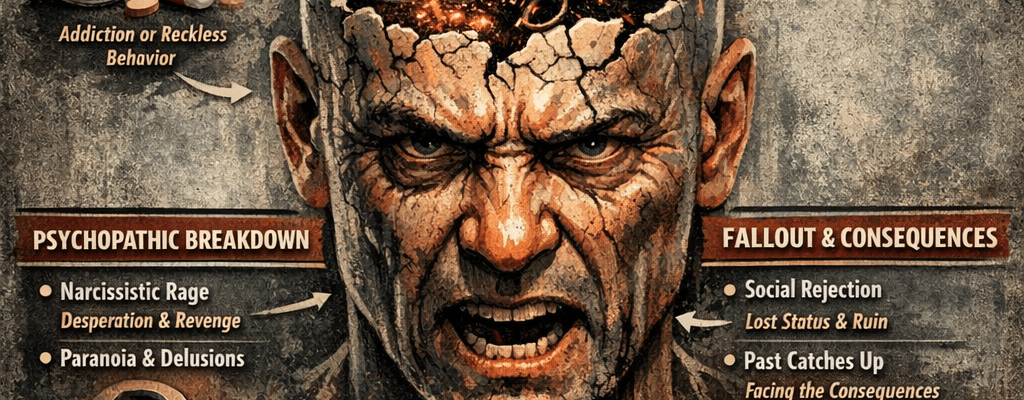
Albert Bandura’s moral disengagement refers to the psychological process by which people justify or rationalise harmful behaviour so they can do it without feeling guilt or self-condemnation.
It was developed by psychologist Albert Bandura as part of his social cognitive theory.
🧠 Definition (clear version)
Moral disengagement mechanisms are mental strategies that allow a person to:
act in ways that violate their own moral standards without feeling personally responsible or guilty.
In other words:
- The behaviour stays the same
- But the internal moral alarm system gets switched off
🔧 Key Moral Disengagement Mechanisms
Bandura identified several main ways people do this:
1. 🧾 Moral justification
Harmful behaviour is framed as “good” or “necessary”
- “I did it for their own good”
- “It was the only way”
2. 🗣️ Euphemistic labelling
Using soft language to disguise harm
- “I was just being strict” instead of “I was cruel”
- “It was a correction” instead of “it was punishment”
3. 🎯 Advantageous comparison
Comparing behaviour to something worse
- “At least I didn’t do what they did”
- “Others are much worse”
4. 🚫 Displacement of responsibility
Blaming authority or circumstances
- “I was told to do it”
- “I had no choice”
5. 🧍 Diffusion of responsibility
Spreading responsibility across a group
- “Everyone was doing it”
- “It wasn’t just me”
6. 👤 Dehumanisation
Seeing the other person as less human
- “They deserved it”
- “They don’t really matter”
7. 📉 Minimising consequences
Downplaying the harm caused
- “It wasn’t that bad”
- “They’ll get over it”
🧭 Core idea
Bandura’s key insight was:
People don’t stop themselves from doing harm because of behaviour alone—
they stop themselves when they feel personal moral responsibility.
Moral disengagement is how that responsibility gets switched off.

