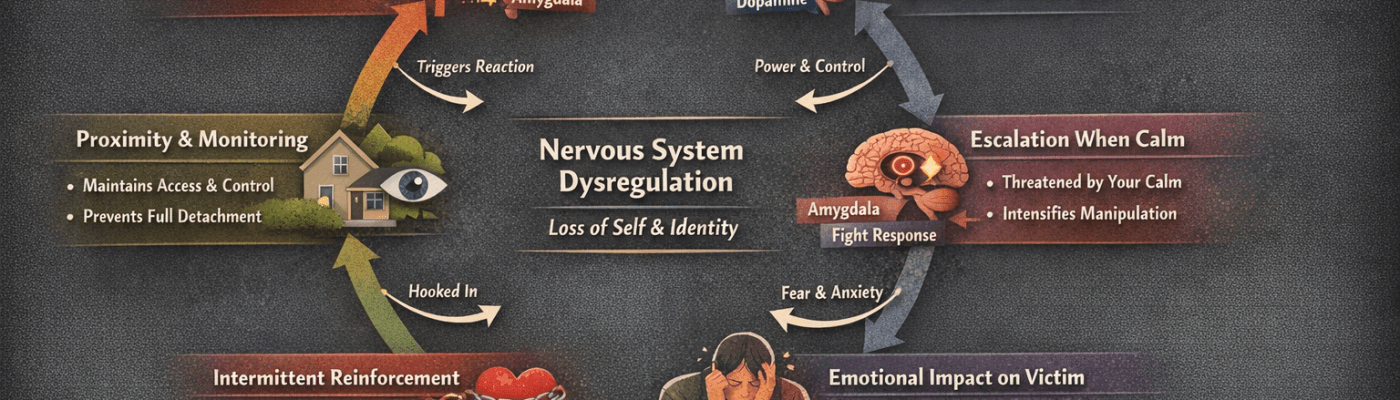
Trauma dysregulates the nervous system, immune system, endocrine (hormonal) system, and inflammatory pathways, which can lead to real, diagnosable physical illness.
This is not “in your head.”
This is body-based biology.
🔥 Chronic Stress & Nervous System Dysregulation
Long-term trauma keeps the body stuck in fight / flight / freeze mode.
This leads to:
- Constant cortisol release
- Chronic inflammation
- Immune suppression
- Hormonal disruption
- Autonomic nervous system imbalance
Over time, this creates system-wide physical illness.
🫀 Cardiovascular Conditions
Trauma is strongly linked to:
- High blood pressure (hypertension)
- Heart disease
- Heart attacks
- Stroke
- Arrhythmias (irregular heartbeat)
Why:
Chronic adrenaline + cortisol damage blood vessels and heart tissue.
🦠 Autoimmune Diseases
Trauma significantly increases risk of:
- Rheumatoid arthritis
- Lupus
- Multiple sclerosis (MS)
- Hashimoto’s thyroiditis
- Crohn’s disease
- Ulcerative colitis
- Psoriasis
Why:
Trauma dysregulates immune function → body begins attacking itself.
🧠 Neurological Conditions
- Migraines
- Chronic headaches
- Fibromyalgia
- Chronic fatigue syndrome (ME/CFS)
- Functional neurological symptoms
- Dissociative disorders
Why:
Nervous system remains in survival mode → pain processing becomes distorted.
🫁 Respiratory Conditions
- Asthma
- Chronic shortness of breath
- Hyperventilation syndromes
Why:
Autonomic nervous system dysfunction affects breathing regulation.
🦷 Gastrointestinal Disorders (Very Common)
The gut is directly wired to the brain via the vagus nerve.
Trauma contributes to:
- Irritable bowel syndrome (IBS)
- Gastritis
- Acid reflux (GERD)
- Ulcers
- Chronic constipation or diarrhoea
- Nausea
- Inflammatory bowel disease
Why:
Stress alters gut motility, microbiome balance, and inflammation.
🧬 Hormonal & Endocrine Disorders
- Thyroid dysfunction
- Adrenal fatigue patterns
- Insulin resistance
- PCOS
- Menstrual disruption
- Early menopause symptoms
Why:
Trauma disrupts the HPA axis (hypothalamic-pituitary-adrenal system) — the body’s core stress-regulation network.
🛌 Sleep Disorders
- Insomnia
- Night terrors
- Chronic fatigue
- Sleep-wake rhythm disorders
Why:
The nervous system remains hyper-alert and cannot downshift into rest.
🧍 Musculoskeletal Conditions
- Chronic pain
- Fibromyalgia
- Joint stiffness
- Muscle tension syndromes
- TMJ (jaw clenching)
Why:
Constant muscle guarding + nervous system tension.
🧠 Immune System Suppression
Trauma increases vulnerability to:
- Frequent infections
- Slow healing
- Chronic inflammation
- Allergies
- Skin disorders
🧬 The ACE Study — Trauma & Disease Risk
Large-scale research (Adverse Childhood Experiences Study) found that trauma dramatically increases lifetime risk of:
- Cancer
- Heart disease
- Autoimmune illness
- Diabetes
- Stroke
- Chronic lung disease
The higher the trauma exposure, the higher the disease risk.
🧠 Why Trauma Makes People Physically Ill (Neuroscience)
Trauma:
- Keeps the brain in survival mode
- Dysregulates cortisol and adrenaline
- Suppresses immunity
- Increases inflammatory markers
- Alters pain perception
- Disrupts gut-brain communication
The body becomes a survival system — not a healing system.
🌱 The Healing Truth (Very Important)
The body can recover.
When trauma is processed and the nervous system is regulated:
- Inflammation reduces
- Immune function improves
- Hormonal balance restores
- Digestive symptoms ease
- Chronic pain often decreases
- Sleep improves
Safety heals physiology.
❤️ Trauma-Informed Reframe
Your symptoms are not weakness.
They are intelligent biological survival responses.
Your body adapted to protect you.
✨ Bottom Line
Trauma doesn’t just hurt emotionally.
It reshapes biology.
But healing — psychologically and physiologically — is absolutely possible.
 Linda C J Turner | Trauma Therapist & Emotional Healing Specialist