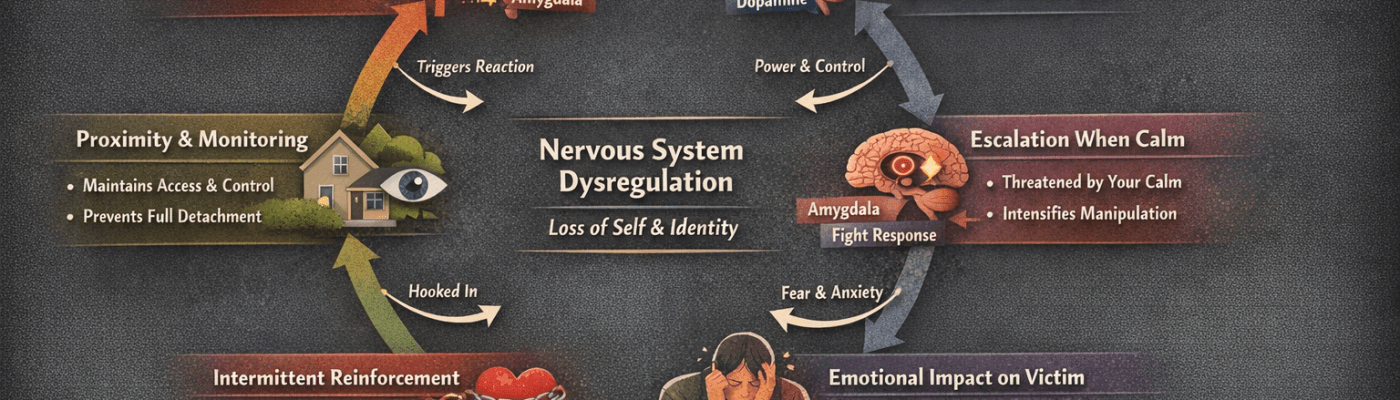
When you become emotional in response to kindness, your brain isn’t “overreacting” — it’s recalibrating.
Long-term neglect or abuse sensitises the amygdala, the brain’s threat detector. It learns that relationships are unpredictable, conditional, or unsafe. At the same time, the prefrontal cortex (logic, perspective, emotional regulation) often down-regulates because survival takes priority over reflection.
Your nervous system adapts by:
- Lowering expectations
- Staying alert for withdrawal or rejection
- Suppressing needs to avoid conflict
This is not a flaw. It’s adaptation.
When someone shows genuine kindness — calm attention, care, patience — your brain receives unexpected safety. This activates the ventral vagal system (social engagement and connection) and releases neurochemicals like:
- Oxytocin (bonding and trust)
- Dopamine (relief and reward)
But because safety has been scarce, the contrast is intense.
At the same time, the hippocampus (memory and meaning) links the present kindness with past deprivation. That overlap can unlock stored emotion — grief, relief, sadness — all at once.
So tears aren’t about being overwhelmed by the person.
They’re about your system finally moving out of chronic defence.
As kindness becomes more consistent, the brain learns that safety is not rare or fragile. The amygdala quiets. Emotional regulation improves. The response softens.
In other words:
Your brain isn’t breaking down.
It’s learning something new — that care can exist without danger.
And learning takes time.

