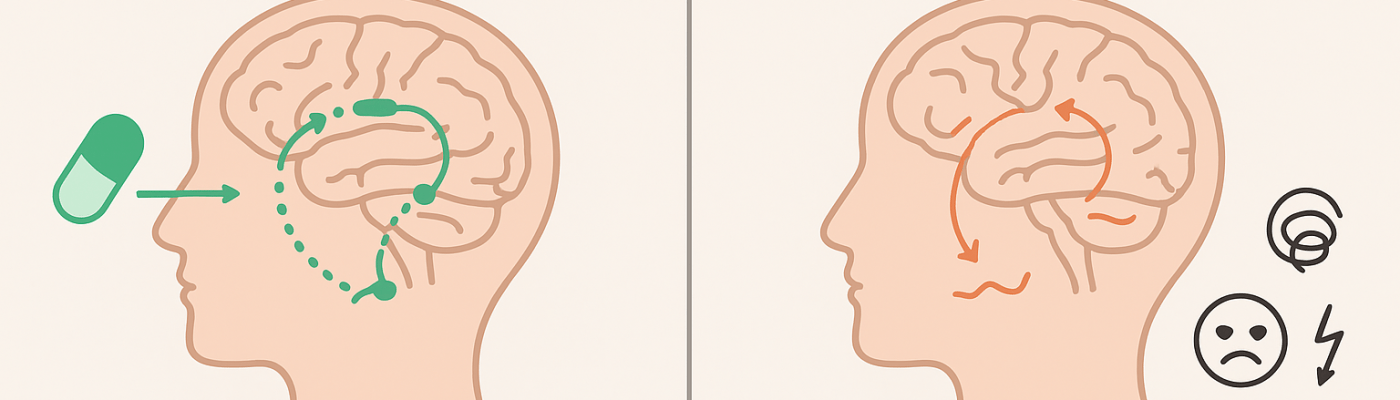
Here’s a clear, neuroscience- and psychology-informed explanation distinguishing abuse as a deliberate choiceversus the common misconception that abuse is caused by mental illness, stress, or emotional instability. This is suitable for educational, clinical, or legal contexts.
Abuse: Choice vs Misconception of Mental Illness
| Aspect | Abuse as a Deliberate Choice | Misconception: Caused by Mental Illness / Stress / Instability |
|---|---|---|
| Definition | A patterned, conscious behavior aimed at control, domination, or harm. | Viewed as a symptom, accident, or reaction to external/internal stressors. |
| Intent | Intentional, strategic, and goal-directed. Abuser actively chooses to manipulate, intimidate, or hurt. | Often portrayed as unintentional, impulsive, or due to inability to manage emotions. |
| Neuroscience Evidence | – Activation of reward pathways (nucleus accumbens) when witnessing or causing fear/distress. – Reduced empathy (anterior insula, medial PFC). – Prefrontal planning circuits enable concealment and manipulation. – Reinforced by intermittent reward and pleasure mechanisms. | – While stress or mood can influence behavior, most abusers do not have impaired executive function. – Mental illness or stress alone does not create deliberate, patterned abuse. – Brain imaging shows these are distinct from psychiatric disorders like depression or anxiety. |
| Psychology / Behavioral Pattern | – Consistent pattern of coercion, manipulation, and intimidation. – Uses tactics like gaslighting, isolation, financial control. – Maintains power and dominance over time. | – Misattributed to “a bad day,” alcohol, anger outbursts, or emotional instability. – Suggests abuse is reactive or temporary, which is inconsistent with documented behavior patterns. |
| Accountability | Abuser is fully responsible for actions; intervention focuses on boundaries, legal protection, and behavioral consequences. | Misconception reduces responsibility; may lead to victim-blaming or ineffective interventions. |
| Legal / Forensic Implication | Supports recognition of coercive control and sustained patterns of abuse in court; strengthens protective measures. | Mislabeling as mental illness may undermine legal cases or protective actions. |
| Key Takeaway | Abuse = conscious, reinforced choice. Biology may support patterns, but behavior is intentional. | Stress or psychiatric conditions = not an excuse or cause of deliberate abuse. |
Neuroscience Highlights
- Reward System: Abusers can derive pleasure from others’ discomfort (similar to addictive behavior).
- Empathy Suppression: Reduced anterior insula activation leads to low emotional concern for victims.
- Planning & Executive Function: Abusers often have intact or even heightened planning abilities, enabling them to conceal behavior and manipulate environments.
Conclusion:
Abuse is never accidental or caused by temporary stress. It is a patterned, conscious choice reinforced by neural reward circuits and psychological strategies of control. Misconceptions attributing abuse to mental illness or stress obscure accountability and undermine victim protection.
 Linda C J Turner | Trauma Therapist & Emotional Healing Specialist