Do you ever find yourself saying, “It’s fine, I don’t mind,” when you absolutely do mind?
Do you keep helping, fixing, and rescuing — then end up frustrated, exhausted, and muttering, “Why do I attract these people?”
Welcome to the world of the People Pleaser — kind-hearted, over-giving, and apparently wearing an invisible sign that says:
“Free emotional labour and snacks inside.”
🧠 The Neuroscience of People-Pleasing
Let’s start with your brain.
Your amygdala, the part responsible for threat detection, lights up like a disco ball at the first sign of conflict.
To calm it down, your prefrontal cortex (the logical part) quickly jumps in with your favourite coping strategy: “Be nice. Fix it. Smile.”
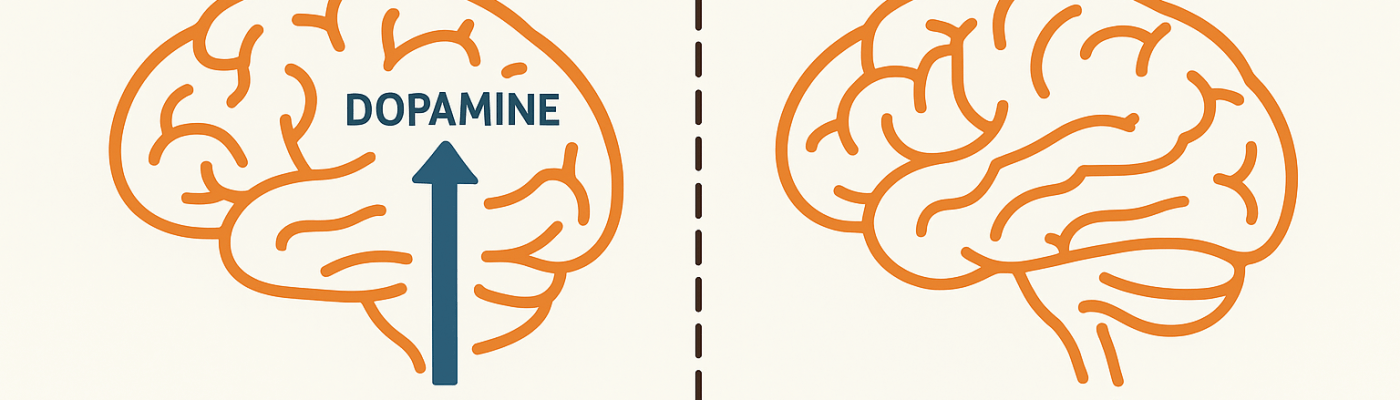
This temporarily releases dopamine — the brain’s reward chemical — which makes you feel good for about five minutes.
Then the crash comes: exhaustion, resentment, and the deep urge to fake your own disappearance.
Basically, your brain gets addicted to keeping the peace, even if it means destroying your own.
🧲 Why You’re a Magnet for Users and Abusers
Here’s the thing: manipulative people can smell people-pleasers from a mile away.
Their internal radar detects kindness, guilt, and low boundaries faster than Wi-Fi finds a signal.
They know you’ll say “yes,” even when your soul is screaming “NO.”
They test your limits — slowly.
A small favour here, a “just this once” there. Before you know it, you’re emotionally overdrawn and wondering how you became someone’s unpaid therapist, Uber driver, and life coach — all in one.
😅 The Psychology of Frustration and Confusion
That post-helping confusion — the “why do I feel awful when I was trying to do something nice?” moment — comes from a clash between your values and your boundaries.
You’re wired for empathy, but you haven’t yet learned how to protect it.
Your nervous system equates saying no with being unsafe, so you keep saying yes — until burnout arrives, uninvited but inevitable.
🌿 The Antidote: Boundaries with Humor and Heart
The cure isn’t becoming cold — it’s becoming conscious.
Before saying “yes,” pause and ask your nervous system: “Is this kindness or compulsion?”
If it’s compulsion, breathe, smile, and try saying, “No, not this time.”
Think of it as emotional detox — decluttering your life of freeloaders and energy vampires.
When you stop feeding them, they’ll move on to a new buffet.
Because being kind is beautiful.
Being used is not.
And neuroscience agrees: a calm brain and strong boundaries are the sexiest combination there is.
 Linda C J Turner | Trauma Therapist & Emotional Healing Specialist