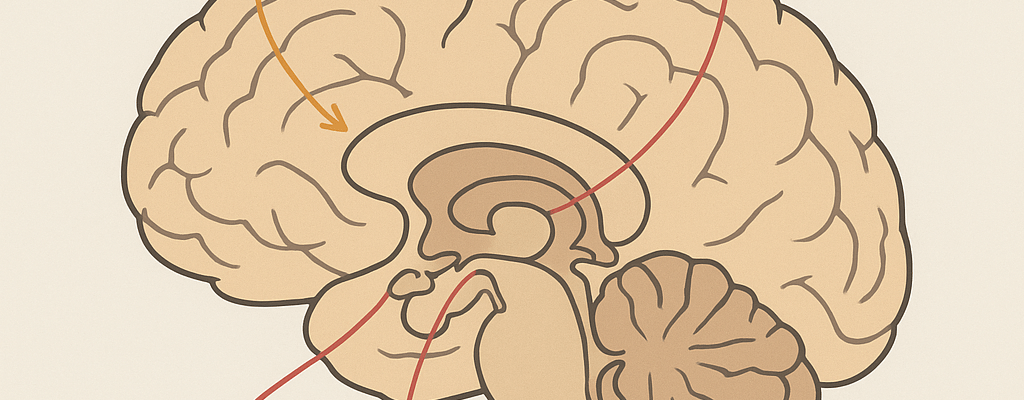
When someone deliberately plays cruel games with a person who’s already survived horrific trauma, it’s not “just relationship drama.” It’s psychological harm that exploits vulnerability and the brain’s attachment systems. Below I explain the types of people who do this, the neuroscience and psychology behind it, concrete behavioral examples, the typical impact on trauma survivors, and practical safety and recovery steps.
Who does this — common personality profiles and motives
People who deliberately manipulate, harass, or “play” traumatized people come from different psychological profiles and motives. A few common patterns:
1. Predatory manipulators (instrumental exploiters)
- Motive: gain (control, sex, money, status, housing).
- Traits: strategic, emotionally detached, skilled at reading vulnerability.
- Psychology: high Machiavellianism, sometimes psychopathic traits (low empathy, high callousness).
2. Narcissistic abusers
- Motive: supply of admiration, control of someone who will validate them, or to punish perceived slight.
- Traits: grandiosity, entitlement, reactive rage when criticized, charm used instrumentally.
- Psychology: manipulate to protect fragile self-esteem; will often devalue and discard.
3. Insecure or anxious manipulators
- Motive: soothe their own fears via control (less conscious).
- Traits: clingy, alternates between idealizing and devaluing.
- Psychology: attachment wounds produce controlling tactics that can look cruel when the other person resists.
4. Opportunists who groom
- Motive: sexual or material access.
- Traits: slow, calculated warmth → boundary erosion.
- Psychology: grooming pattern that normalizes abuse and isolates the target.
5. People repeating learned behavior
- Motive: repeating patterns learned in childhood (abuse cycles).
- Traits: sometimes regretful, sometimes unaware of harm scale.
- Psychology: learned maladaptive strategies, but still harmful.
Important: these are patterns, not destiny labels. People can change, but behavior should be judged by consistency and impact.
The neuroscience: why trauma makes this tactic so devastating
1. Attachment and reward systems are hijacked
- Trauma survivors often have nervous systems tuned to seek safety quickly; oxytocin and dopamine spikes from attention/comfort can feel extraordinarily binding. Manipulators exploit that: brief kindness followed by withdrawal creates potent conditioning (intermittent reinforcement).
2. Misattribution of arousal
- High arousal (fear, excitement) can be misread as attraction. A manipulator can pair anxiety with relief so the brain attributes the relief to the person — strengthening the bond.
3. Cortisol, memory, and decision-making
- Repeated stress spikes (cortisol) impair the hippocampus (memory accuracy) and suppress prefrontal cortex function (decision-making, impulse control). Victims may doubt their own memories/judgement and feel “stuck.”
4. Empathy deficits in the manipulator
- Many abusers show reduced activation in brain areas tied to affective empathy (e.g., anterior insula, some medial prefrontal regions). That makes it easier for them to use another’s pain instrumentally.
5. Trauma bonding = addiction-like loop
- The mix of stress (cortisol/adrenaline) and reward (dopamine/oxytocin) mimics addiction neurochemistry. The relationship becomes a compulsive loop that is hard to break.
Psychological mechanisms used (how they do it)
- Love-bombing / idealize → devalue → discard cycle
- Intermittent reinforcement (unpredictable reward makes the person cling harder)
- Gaslighting (denying facts, rewriting events to cause self-doubt)
- Grooming (gradual boundary erosion)
- Triangulation / isolation (pitting others against you or removing supports)
- Weaponized intimacy (sex or affection used as leverage)
- Projection & blame-shifting (they accuse you of what they do)
- Micro-punishments / shame (tiny criticisms that accumulate)
Both men and women can use these tactics; the difference is usually context and method rather than the underlying neurobiology.
Concrete behavioral examples
Subtle → overt examples you might recognize
- They shower you with attention for a week, then ignore you for a week (hot/cold).
- They tell you “I’d die for you” then later gaslight you about what they said.
- They intentionally bring up your trauma in mocking or testing ways to see your reaction.
- They pretend to be supportive, then leak your private things to others to destabilize you.
- They pressure sexual activity right after a fight, using sex to “fix” the hurt.
- They ask intrusive questions about money/home in ways that feel like a test (material motive).
- They put you down “playfully” and then call you “too sensitive” when you react.
- They play jealous games (flirt publicly) expressly to create anxiety and then position themselves as the savior.
Typical impacts on trauma survivors
- Complex PTSD symptoms: flashbacks, emotional numbing, hypervigilance, shame.
- Increased dissociation during or after interactions.
- Confusion and memory gaps (due to cortisol impact).
- Deepened distrust of self and others.
- Re-triggered physical symptoms: panic attacks, digestive problems, migraines, chronic fatigue.
- Prolonged recovery: because neurochemical conditioning needs time and predictable safety to reverse.
Safety, boundaries and immediate steps
- Prioritize physical & digital safety — change passcodes, document abusive messages (screenshots stored offline), secure finances if necessary.
- Limit or cut contact (no/low contact). Intermittent contact reinforces the cycle. If you must interact (shared home, kids), set strict limits and scripts.
- Tell a trusted person — friend, family, or support group. Isolation is what manipulators rely on.
- Create a short safety script you can use in the moment: e.g., “I’m not continuing this conversation. I’ll talk when I feel safe.” Keep it brief and unemotional.
- Avoid debating or rationalizing with them — gaslighters use debate to confuse. Keep answers short.
- Document: Keep dated records of harmful incidents; they help you see the pattern and are useful if legal action becomes necessary.
Therapeutic and recovery approaches
- Trauma-informed therapy (EMDR, somatic experiencing, sensorimotor psychotherapy) — focuses on nervous system regulation and reprocessing traumatic conditioning.
- CBT / DBT — for rebuilding cognitive clarity, emotion regulation, and boundary skills.
- Group therapy / survivor groups — for community, reality-checking, and rebuilding trust.
- Psychoeducation — learning about intermittent reinforcement, trauma bonding, and physiology helps depersonalize the experience.
- Somatic practices — breathwork, grounding, gentle movement to lower chronic arousal.
- Slow relational rebuilding — practice safe relationships that are consistent and calm (retraining the attachment system).
If you want to respond in the moment — short boundary scripts
- “I’m ending this conversation now. I’ll speak later when I’m calm.”
- “I won’t accept being spoken to that way. Please stop.”
- “That comment isn’t okay. If it happens again I’ll leave.”
- In measurable requests: “If you come to my home uninvited again, I will call [friend/local service].”
Keep your voice neutral. Avoid arguing about intent — state the behavior and the consequence.
Legal/ethical considerations
- If there’s harassment, stalking, sexual coercion, threats, or violence — document and involve authorities or local victim services.
- Confidential legal or advocacy resources (domestic violence organizations, legal aid) can advise on restraining orders, custody, or financial protections.
- Preservation of evidence is important (screenshots, saved messages, witness statements).
Final thought — you’re not to blame
When someone exploits trauma, it’s an abuse of knowledge and trust. The manipulator chose to use your history as a weapon — not you. Understanding the neuroscience and psychology gives you tools to protect yourself and to heal, but the moral responsibility lies with the person who manipulates.
 Linda C J Turner | Trauma Therapist & Emotional Healing Specialist