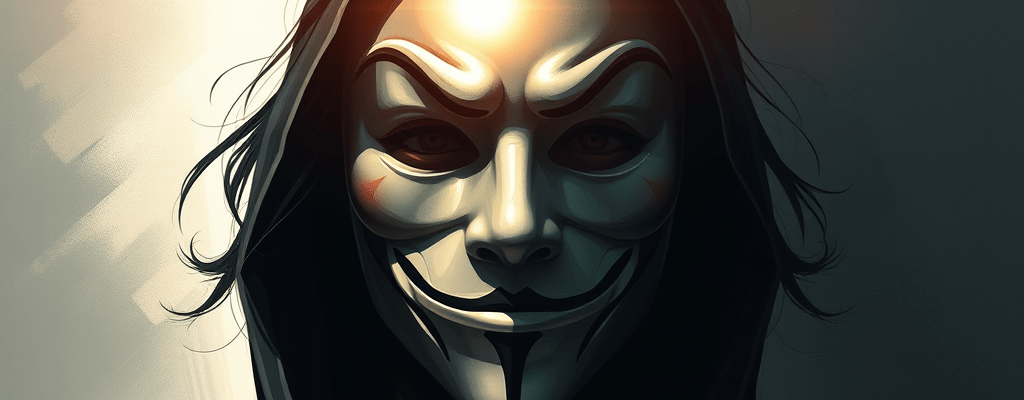
When we meet someone, the way they carry themselves—posture, facial expression, and overall body language—often tells a deeper story than words can convey. Recent observations from a session with a psychologist illustrate how subtle cues can reveal hidden vulnerabilities, even in those who seem confident and composed.
Standing Tall, Feeling Small
During a session, my psychologist asked to see photos of my ex-husband. She noted something striking: while his posture suggested confidence—standing tall, chest out, shoulders back—there were subtle signs that betrayed his inner state. Beneath this “mask” of self-assurance, he was displaying signs of feeling small in both stature and mind.
This phenomenon is not uncommon. Psychologists often describe it as compensatory behavior. People who feel insecure or inadequate internally may adopt exaggerated postures or assertive behaviors to project strength. It’s a psychological and physiological strategy to protect the ego from perceived threats.
The Neuroscience Behind the Mask
Research in neuroscience shows that body posture and brain function are deeply interconnected. The prefrontal cortex, responsible for decision-making and social behavior, interacts with the limbic system, which governs emotions. When someone feels vulnerable, the amygdala (the brain’s “threat detector”) is activated. To counteract these feelings, people often engage in behaviors that convey dominance, such as standing tall or puffing up their chest.
Studies also suggest that these physical cues can influence the person’s own emotional state. Power posing, for example, can temporarily increase confidence levels by modulating hormone levels—raising testosterone and lowering cortisol. However, when the confidence is primarily compensatory, it can appear forced, brittle, or inconsistent, as if the body is trying to convince both the world and the self.
Psychological Implications
From a psychological perspective, these behaviors reflect a tension between the public self and the private self. The public self is the image presented to others—strong, competent, unshakable. The private self, however, may be riddled with doubt, insecurity, or feelings of inadequacy.
Such masking is often subconscious. A person may not even realize they are overcompensating to hide their true feelings. Over time, this internal dissonance can manifest in stress, anxiety, and difficulties in authentic relationships.
Reading Between the Lines
Observing posture, micro-expressions, and gestures can provide insight into a person’s hidden emotional state. In this case, the psychologist’s observation highlighted a striking contrast: an outward appearance of stability paired with an inward experience of smallness.
This example demonstrates that human behavior is often a layered narrative—what we see is rarely the whole story. Neuroscience and psychology together help us understand these layers, revealing the subtle interplay between mind, body, and emotion.
 Linda C J Turner | Trauma Therapist & Emotional Healing Specialist