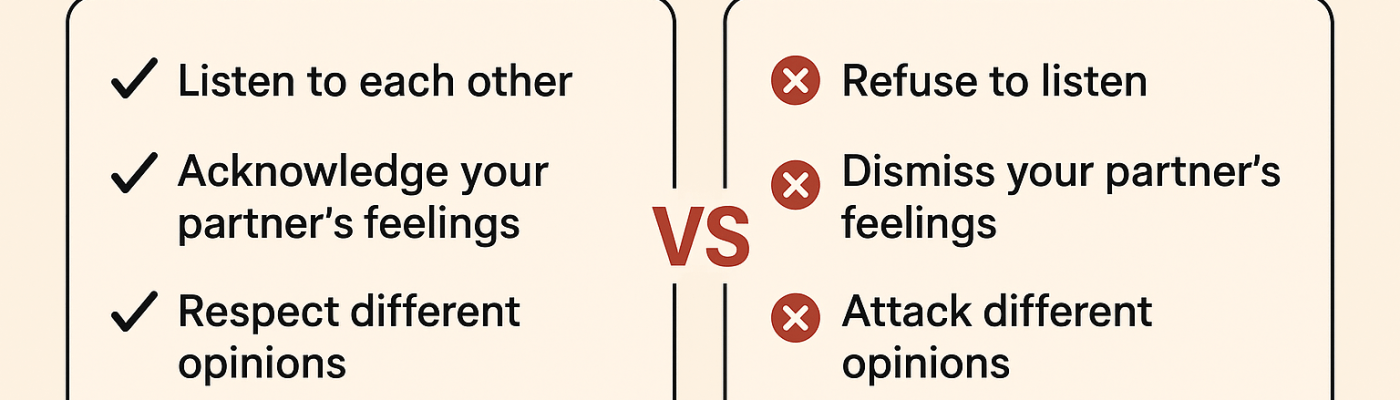
Gaslighting is one of the most subtle but destructive forms of emotional manipulation in relationships. It erodes your sense of reality, making you question your memory, perception, and even sanity. Here’s a clear breakdown so you can recognize it quickly:
🔍 What Gaslighting Is
- Definition: A manipulative tactic where one partner distorts facts, denies events, or twists reality to gain control and make the other doubt themselves.
- Goal: To weaken your confidence, so you become more dependent on the manipulator’s version of reality.
🚩 Common Signs of Gaslighting
1. Denial of Reality
- “That never happened, you’re imagining things.”
- They flat-out reject facts you know are true, leaving you second-guessing your memory.
2. Trivializing Your Feelings
- “You’re overreacting. You’re too sensitive.”
- Your emotions get dismissed instead of validated.
3. Shifting Blame
- Even when they’re at fault, they flip it around:
“This is your fault. If you hadn’t done X, I wouldn’t have reacted this way.”
4. Twisting Past Events
- They rewrite history to suit their narrative, and if you remember differently, you’re “wrong.”
5. Withholding
- Refusing to engage in conversation or pretending not to understand what you’re saying:
“I don’t know what you’re talking about.”
6. Projection
- Accusing you of the very behavior they’re guilty of (lying, cheating, manipulation).
7. Gradual Undermining
- It usually starts small and builds up over time until you doubt your judgment across many areas of life.
🧠 Neuroscience & Psychology Behind Gaslighting
- Memory Manipulation: When someone repeatedly tells you your memory is wrong, your brain’s hippocampus(memory center) becomes less confident in recall, increasing doubt.
- Stress Response: Constant invalidation elevates cortisol (stress hormone), impairing clear thinking.
- Bonding Chemicals: Despite the abuse, moments of affection release oxytocin (bonding hormone), which deepens dependency and makes leaving harder.
- Cognitive Dissonance: Your brain struggles to reconcile love with mistreatment, which creates confusion and emotional paralysis.
🛡️ How to Protect Yourself
- Keep Receipts – Journal or screenshot conversations to confirm reality.
- Check with Trusted People – Ask friends/family if your perceptions match theirs.
- Trust Your Gut – If you constantly feel “crazy” or unsure, that’s a major warning sign.
- Set Boundaries – Call out the behavior and refuse to engage in circular arguments.
- Seek Professional Support – A therapist can help validate your reality and strengthen boundaries.
✨ Key Takeaway:
Gaslighting makes you doubt yourself so the other person can hold control. The strongest defense is reclaiming your reality—trusting your memory, instincts, and emotions.
 Linda C J Turner | Trauma Therapist & Emotional Healing Specialist