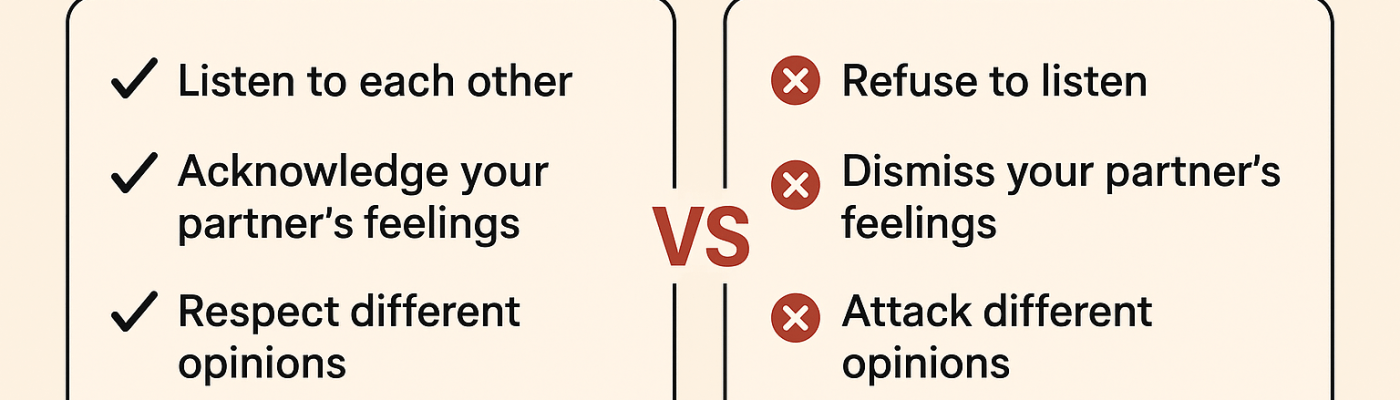
That reaction itself is a classic continuation of gaslighting and defensive manipulation. When someone responds with anger or dismissal after being called out, it’s often a tactic to regain control and silence you. Here’s what’s happening beneath the surface:
🔄 Why They React This Way
- Loss of Control
- Gaslighting depends on you doubting yourself.
- When you call it out, you take back control of the narrative, which threatens their power.
- Deflection Through Anger
- By raising their voice, getting hostile, or dismissing you, they hope to scare or overwhelm you into dropping the subject.
- Shame Avoidance
- Being exposed makes them feel shame or guilt—so they cover it with rage or minimization.
- Pattern Reinforcement
- Their angry dismissal is meant to train you not to challenge them again (“see what happens when you call me out”).
🚩 Typical Responses You Might Hear
- “You’re crazy, I’m not gaslighting you!”
- “Wow, you’re so dramatic.”
- “If you weren’t so sensitive, we wouldn’t be fighting.”
- “You always twist things.”
Notice how these don’t address the behavior—they just attack or dismiss you.
🧠 Psychological Impact
- Cortisol Spike: Their anger triggers your stress response, making it harder to think clearly.
- Self-Doubt Loop: Their dismissal makes you question if you overreacted.
- Bonding Trap: If they later switch to being kind or apologetic, the oxytocin “bonding hormone” can deepen the cycle of abuse.
🛡️ How to Respond
- Stay Calm, Don’t Match Anger
- Their rage thrives on escalation. Keep your tone steady.
- Hold Your Ground
- “I know what I experienced, and dismissing it doesn’t change that.”
- Don’t Get Pulled Into Circular Arguments
- Gaslighters try to trap you in endless debates. Step back if it goes nowhere.
- Set Boundaries
- “If you continue to dismiss my feelings, I won’t continue this conversation.”
- Seek Outside Validation
- Check your reality with trusted friends, family, or a therapist.
✨ Key Insight:
When anger and dismissal follow you calling out gaslighting, it’s not a coincidence—it’s proof of the pattern. A healthy partner would listen, reflect, and work to repair, not punish you for speaking up.
 Linda C J Turner | Trauma Therapist & Emotional Healing Specialist