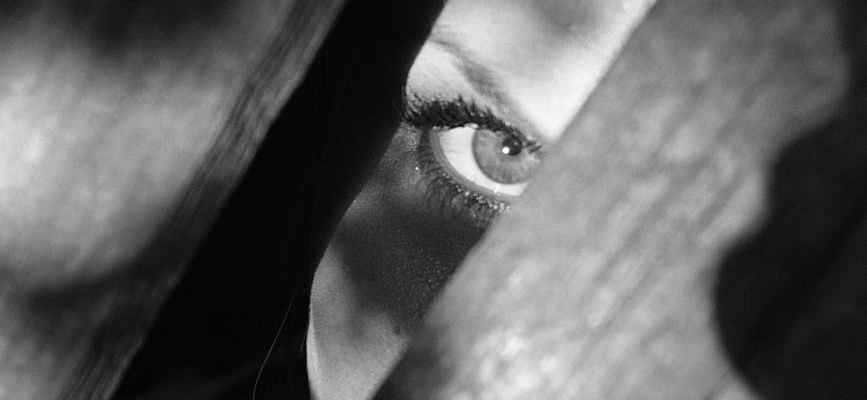
Post-Breakup Harassment, Monitoring & the Psychological Toll of Not Being Left Alone
They say “just leave.”
But what happens when you do — and they won’t let go?
When the calls don’t stop.
When you spot their car near your house again.
When friends tell you, “They’re still asking about you — again.”
That’s not love. That’s obsession.
That’s not concern. That’s stalking.
And it’s a form of ongoing abuse — meant to keep you anxious, hyper-aware, and emotionally trapped long after the relationship ends.
🔍 What Is Stalking?
Stalking is a pattern of unwanted attention, contact, or surveillance that causes fear, distress, or a sense of being constantly watched or pursued.
It’s not just about being followed physically. It’s also:
- Digital monitoring (checking your online status, stories, posts)
- Showing up uninvited at your home, work, or events
- Repeatedly messaging or calling after you’ve asked them to stop
- Creating fake accounts to track or contact you
- Asking others for updates about your life
- Sending unwanted gifts or messages to reinsert themselves
- Using friends or family as “flying monkeys” to keep tabs on you
Whether it’s subtle or overt, stalking is about power and intrusion — a refusal to respect boundaries, autonomy, or your right to move on.
💡 What’s the Difference Between Stalking and Obsession?
👉 Obsession is the psychological fixation:
They can’t let go of the image, the fantasy, or the control they once had.
👉 Stalking is the behavior that follows:
The actions they take to reclaim your attention, regain control, or punish you for leaving.
🧠 Psychological Manipulation Behind Stalking
Post-breakup stalking is often:
- A trauma response for the abuser — but not one you are responsible for fixing
- A power play — “If I can’t have you, I’ll make sure you can’t be free”
- A form of emotional terrorism — keeping you on edge, paranoid, and afraid to trust or relax
You’re not just afraid of being followed.
You’re afraid of being pulled back in emotionally.
Of being blamed, disbelieved, or made to feel crazy.
⚠️ The Psychological Impact of Being Stalked:
- Constant anxiety or hypervigilance
- Changes in sleep, appetite, or daily routines
- Panic attacks or paranoia
- Loss of privacy and safety
- Emotional exhaustion and burnout
- PTSD symptoms (even if no violence occurred)
Some survivors describe it as:
“It feels like I’m never really free — even after I left.”
🛑 Why People Minimize Stalking
- “They’re just not over you.”
- “It’s kind of romantic, in a way.”
- “They didn’t actually threaten you.”
This minimization is dangerous.
Romanticizing obsession is how people stay trapped, afraid, and unheard.
Because stalking is not a crush. It’s not passion. It’s not love.
It’s a violation of your boundaries, autonomy, and safety.
🗣️ What You Have the Right to Do:
- Block every number, every account
- Report repeated contact — even if it seems “harmless”
- Document every message, call, sighting
- File a police report if you feel unsafe
- Tell your support network what’s going on
- Trust your instincts — always
If it feels invasive, it is.
If it feels wrong, it is.
And if you’re scared — you don’t need to wait for it to get worse to act.
✊ You Deserve:
- To end a relationship without being harassed
- To live without being watched
- To exist without fear of being tracked, judged, or found
- To rebuild your life without intrusion
 Linda C J Turner | Trauma Therapist & Emotional Healing Specialist