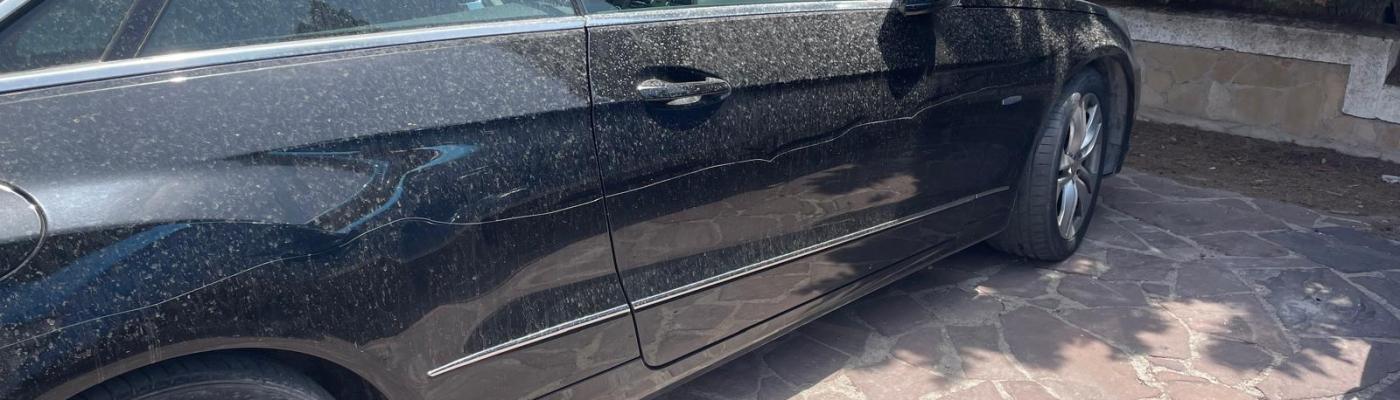
It takes immense courage to walk away from abuse. But what many people don’t talk about is what can come after you leave—the retaliation. The smears. The stalking. The petty, vindictive attempts to remind you that you dared to reclaim your power.
These acts aren’t just born from anger—they’re born from a desperate need to reassert control over a person who has outgrown their manipulation. From smashing reputations to scratching cars, vindictive abusers use sabotage as a form of warped communication: “You think you’re free of me? Think again.”
But here’s the truth: vindictiveness is not strength. It is emotional immaturity masquerading as power. It is the last desperate act of someone who is losing relevance in your story.
🔥 Why Vindictive People Can’t Let Go
Vindictive behavior doesn’t come from a place of strength—it comes from a fractured ego. People who are pathologically controlling or narcissistic often view others not as separate individuals, but as extensions of themselves. So when you detach, grow, or speak out, it isn’t seen as your right—it’s seen as betrayal.
They feel humiliated that they couldn’t keep control, and instead of introspection, they look for revenge. The destruction becomes symbolic: if they can’t own you, they’ll try to damage what you value.
And the cruel irony is: it’s not even about the car, the belongings, or your friendships. It’s about trying to undo your peace.
🚨 Common Traits of Vindictive Abusers:
- Passive-aggressive punishment – They won’t confront you directly but will damage your property, leak private things, or poison your relationships behind your back.
- Blame-shifting – They’ll claim you’re overreacting or even that you’re the one at fault.
- Entitlement to access – They believe they have the right to monitor, control, or punish you even after you’ve left.
- Lack of remorse – No empathy, no ownership—just justifications.
- Ego injury reactions – Their attacks often spike when their mask slips, they’re exposed, or they’re ignored.
🧠 The Psychology Behind the Behavior
These actions are rooted in deep insecurity and often in unhealed psychological trauma. But let’s be clear—understanding the psychology is not the same as excusing the behavior.
People who lash out in destructive ways often suffer from personality disorders, unregulated emotions, or are not complying with mental health treatment. They may believe the world owes them loyalty, that you are “wrong” for walking away, or that harming your life is fair retribution.
But no diagnosis, no history, and no hurt ever gives someone the right to target and terrorize another human being.
🛡️ Protecting Yourself: Legally and Emotionally
You were absolutely right to go straight to the Guardia Civil. That’s strength. Document everything. Keep records. Share your concerns with friends, neighbors, and support networks. People like this thrive on secrecy. Shine a light.
Your safety comes first. Property can be repaired, but your peace of mind must be protected.
It’s also okay to feel shaken, angry, or even scared. These reactions are normal—and they don’t mean the abuser is winning. They mean you’re human. You’ve been hurt. But you are no longer living in silence or fear. You are acting.
🌱 Reclaiming Your Story
Every time a survivor stands up and says, “Enough,” the cycle weakens. And every petty act of sabotage is a reminder that you have something they can’t control anymore—your voice, your truth, your future.
So to anyone who thinks that scratching a car will scratch your spirit? Let them watch you rise. Again.
Let your life be the loudest message of all: You are free. And you are never going back.
 Linda C J Turner | Trauma Therapist & Emotional Healing Specialist