
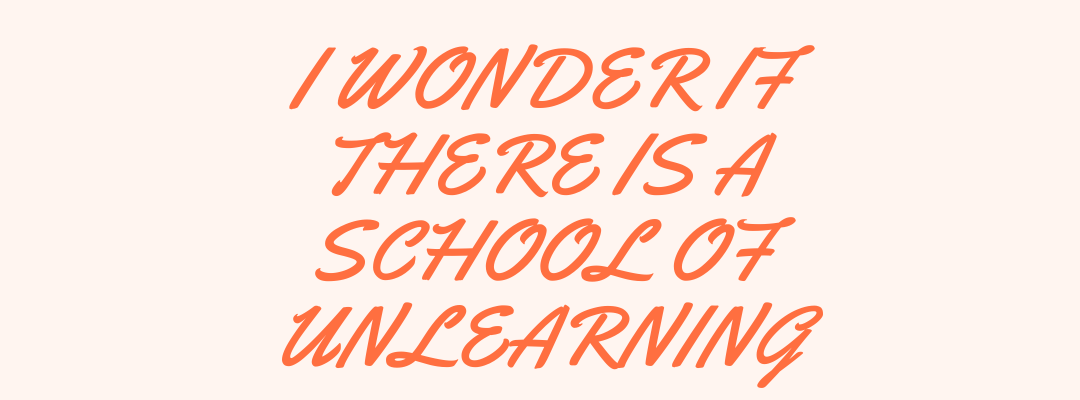
In an ever-evolving world, the value of lifelong learning cannot be overstated. Education and awareness are not confined to formal schooling; they are ongoing processes that empower individuals to adapt, grow, and thrive. By keeping an open mind and embracing the opportunities to learn throughout life, we open doors to personal fulfillment, professional success, and a deeper understanding of the world around us.
The Foundation: Education and Awareness
Education serves as the foundation of lifelong learning. It equips us with essential skills, knowledge, and the ability to think critically. However, true education goes beyond memorizing facts and passing exams. It’s about cultivating curiosity, developing problem-solving abilities, and fostering a mindset that seeks to understand new ideas and perspectives.
Awareness complements education by encouraging us to stay informed about the world. In an age of rapid information exchange, being aware of global issues, technological advancements, and cultural shifts allows us to make informed decisions and contribute meaningfully to society. Awareness also cultivates empathy, helping us connect with others on a deeper level.
Keeping an Open Mind
An open mind is crucial for lifelong learning. It enables us to explore new concepts without prejudice, question our assumptions, and embrace diverse perspectives. When we approach life with openness, we’re more likely to:
- Adapt to Change: Change is a constant, and those who are willing to learn and adapt are better equipped to navigate life’s uncertainties.
- Grow Personally and Professionally: Openness to learning new skills and ideas fosters growth in all areas of life, from relationships to careers.
- Build Resilience: An open mind helps us see challenges as opportunities for learning rather than obstacles.
Cultivating an open mind requires humility—acknowledging that we don’t have all the answers—and curiosity, which drives us to seek out new experiences and perspectives.
Lifelong Learning: A Continuous Journey
Lifelong learning is the commitment to self-improvement through the acquisition of knowledge and skills over a lifetime. Here’s why it’s so important:
- Personal Growth: Learning enriches our lives by broadening our horizons and enhancing our understanding of ourselves and the world.
- Professional Development: In today’s fast-paced job market, continuous learning is essential to staying relevant and competitive. Acquiring new skills can open up opportunities for career advancement and innovation.
- Social Connection: Learning can also strengthen social bonds. Joining classes, workshops, or discussion groups allows us to connect with like-minded individuals and build supportive communities.
- Mental Well-being: Engaging in lifelong learning keeps our minds active and can reduce the risk of cognitive decline as we age. It also fosters a sense of purpose and achievement.
How to Embrace Lifelong Learning
- Stay Curious: Follow your interests and explore topics that intrigue you. Read books, watch documentaries, and listen to podcasts to satisfy your curiosity.
- Set Goals: Identify areas where you’d like to grow, whether it’s learning a new language, improving a skill, or understanding a complex issue.
- Leverage Technology: Take advantage of online courses, webinars, and educational apps that make learning accessible and convenient.
- Engage with Others: Participate in group discussions, workshops, and community activities to learn from different perspectives.
- Reflect and Apply: Regularly reflect on what you’ve learned and find ways to apply it to your personal and professional life.
Final Thoughts
Lifelong learning is more than a commitment to personal growth; it’s a mindset that keeps us engaged with the world. By valuing education and awareness, keeping an open mind, and embracing opportunities to learn, we create a life rich with possibilities and meaning. In the words of Mahatma Gandhi, “Live as if you were to die tomorrow. Learn as if you were to live forever.”

