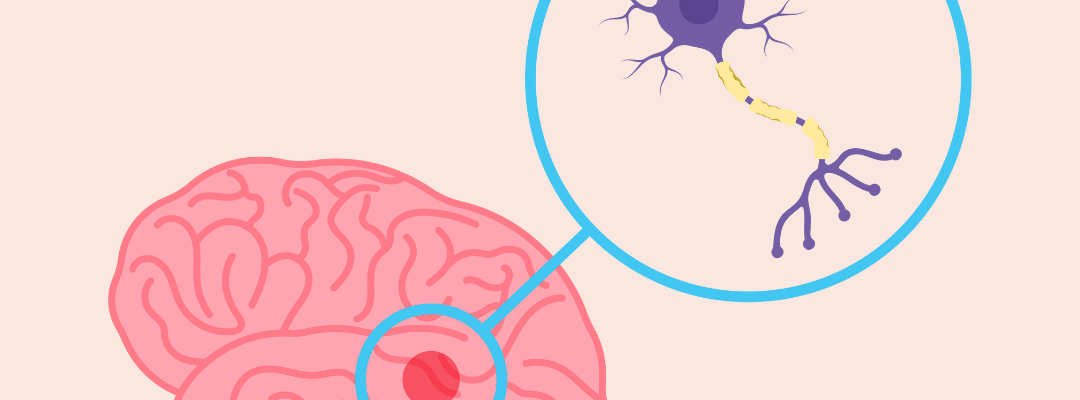
Delving into the realm of neuroscience provides fascinating insights into why individuals may succumb to manipulation and how the brain’s reward system plays a crucial role in reinforcing certain behaviors, even when they are detrimental. Let’s explore this in more detail:
- Reward System and Dopamine: The brain’s reward system, often associated with the release of neurotransmitter dopamine, plays a central role in reinforcing behaviors. When an individual experiences something rewarding, such as positive social interaction or accomplishment, the brain releases dopamine, creating a sense of pleasure and reinforcing the associated behavior.
- Manipulation and Reward: Manipulative individuals often exploit the brain’s reward system to reinforce compliance or submission. For example, they may employ tactics that trigger positive emotions or a sense of validation, creating a reward response in the brain. Over time, this can establish a cycle where the manipulated individual associates compliance with positive feelings.
- Conditioning and Reinforcement: Manipulation often involves a form of conditioning, where certain behaviors are consistently met with positive reinforcement, making it more likely for the individual to repeat those behaviors. This can lead to a subconscious reinforcement loop, where the brain associates compliance with the manipulator’s demands as a pathway to positive feelings.
- Cognitive Dissonance: The brain’s inclination to seek consistency and avoid cognitive dissonance can also contribute to individuals rationalizing or justifying their compliance in manipulative situations. The discomfort of conflicting thoughts can drive the brain to align beliefs with actions, even if those actions are against one’s best interests.
- Empowerment through Awareness: Understanding these neural mechanisms is crucial for empowering individuals to break free from manipulation. By becoming aware of how the brain’s reward system may be manipulated, individuals can develop a heightened sense of self-awareness, allowing them to question their responses and make more informed choices.
- Cognitive and Emotional Regulation: Building skills in cognitive and emotional regulation is key to disrupting the cycle of manipulation. Individuals can learn to recognize manipulative tactics, manage their emotional responses, and consciously choose behaviors that align with their well-being rather than simply reacting to external stimuli.

In the context of trauma therapy and emotional intelligence, this understanding of neuroscience can be a powerful tool. Therapists can help individuals develop resilience, emotional regulation, and critical thinking skills, fostering a sense of empowerment and autonomy in navigating complex interpersonal dynamics. What are your thoughts on how this neuroscientific perspective intersects with trauma therapy and emotional intelligence?
Copyright © Linda C J Turner 2023 LindaCJTurner.com All Rights Reserved.
All content on this website, including text, images, graphics, and other material, is protected by copyright law and is the property of Linda C J Turner unless otherwise stated. Unauthorized use or reproduction of the content in any form is prohibited.
 Linda C J Turner | Trauma Therapist & Emotional Healing Specialist