What is ASPD (Antisocial Personality Disorder)?

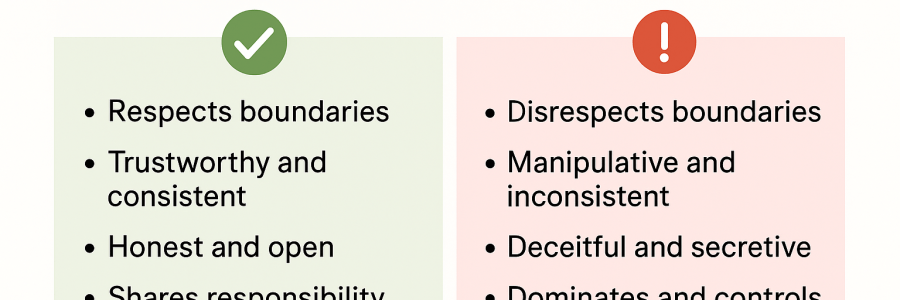
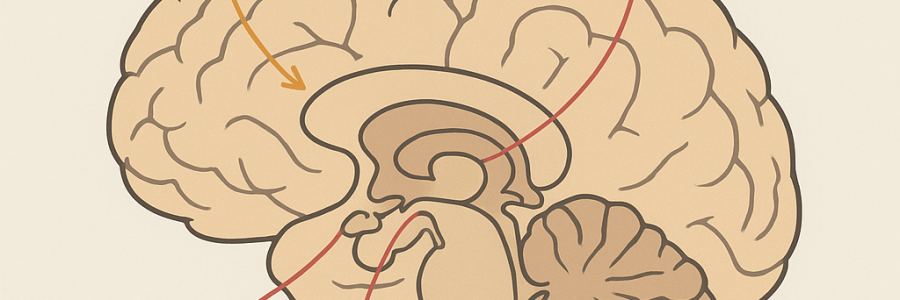
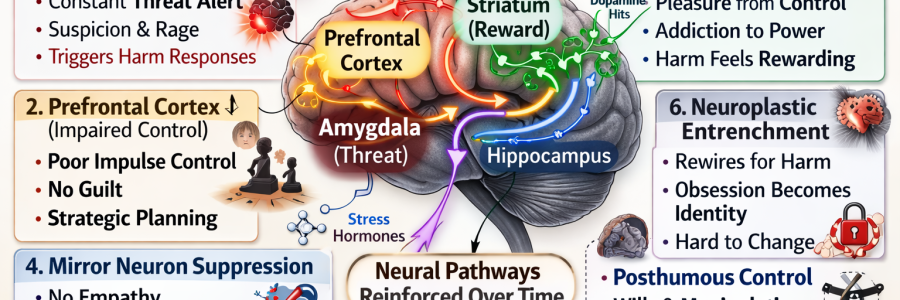
Antisocial Personality Disorder (ASPD) is a clinical diagnosis used to describe a persistent pattern of disregard for the rights, safety, and boundaries of others. It’s not about being “difficult” or having a bad temper. It’s about how someone relates to people, rules, and responsibility over time. Common features include: Importantly:Not everyone with antisocial traits has ASPD, and not… Read More What is ASPD (Antisocial Personality Disorder)?

Strangulation is not about the situation.It is about the person who chooses to use it.

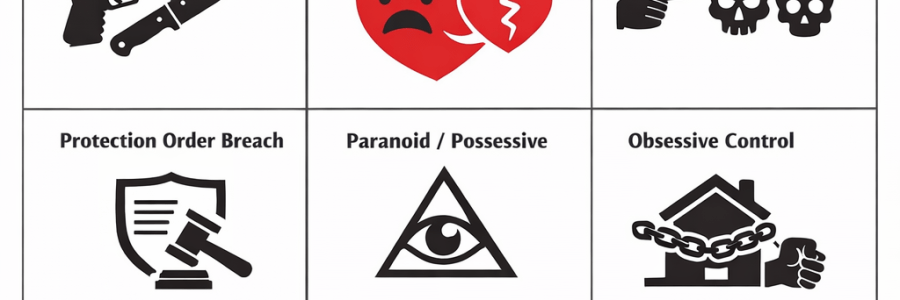
The Short Answer Why Strangulation Is Different Strangulation isn’t an impulsive shove or shouted argument. It is: Research consistently shows that non-fatal strangulation is one of the strongest predictors of future severe violence and homicide. Once someone has crossed that line, the risk profile changes permanently. Is It the Situation or the Person? It is the person.… Read More Strangulation is not about the situation.It is about the person who chooses to use it.

Watch for Familiar Family Patterns of Financial Control

Before you agree to sell, transfer, divide, or “protect” assets, take a hard look at family history — not just the current situation. Patterns repeat. 🚩 Ask This First: Is there a history in this family of taking control of other people’s: If the answer is yes — pause immediately. ⚠️ A Common Disguise: “We’re Just Protecting You”… Read More Watch for Familiar Family Patterns of Financial Control

How Other People’s Agendas Can Distort Separation and Divorce Decisions

During separation and divorce, one of the most important — and most difficult — boundaries to hold is this: Do not allow siblings, children, extended family, or friends to sway your decisions simply because they are close to you. Not everyone involved has your best interests at heart — even when they believe they do.… Read More How Other People’s Agendas Can Distort Separation and Divorce Decisions

Keeping it in the family

When bullying, abuse, and harassment “run in the family,” you’re not dealing with isolated bad behaviour — you’re dealing with a relational system that has normalised cruelty as a way of bonding, regulating power, and enforcing loyalty. This is recognised in psychology, trauma work, and increasingly in law. What it actually means when abuse runs in a family It… Read More Keeping it in the family

Harassing someone with PTSD who is already dealing with domestic violence

Plain truth Harassing a person who is known (or should reasonably be known) to have PTSD and is escaping or recovering from domestic violence is not “just harassment”.It is an aggravating form of psychological abuse. It compounds trauma and recreates the dynamics of coercive control. Why this is treated more seriously 1. Foreseeable harm When someone: …then continued harassment is… Read More Harassing someone with PTSD who is already dealing with domestic violence

The golden rule

Name-calling, vile emails/texts, accusations, blackmail, humiliation from the abuser’s family — is active mental cruelty, not “family conflict”. The hardest (and smartest) question is exactly the one you asked: When do I name it — and when do I disengage? Below is a clear decision framework used in trauma-informed legal and clinical work. The golden rule (read this first)… Read More The golden rule

Mental cruelty from the family of an abuser — what it is

Mental cruelty by an abuser’s family occurs when relatives knowingly or recklessly engage in behaviours that reinforce, enable, excuse, or extend the abuser’s control, causing psychological harm and undermining the victim’s autonomy, safety, or credibility. This is sometimes called: They may not hit you.They may never raise their voice.But the harm is systemic and strategic. How… Read More Mental cruelty from the family of an abuser — what it is

Physical cruelty vs Mental (psychological) cruelty

Core difference (in one line) Both are abuse.Both are legally relevant.Neither requires “bad intentions” — only harm + pattern. 1. Physical cruelty Definition Physical cruelty is the intentional or reckless infliction of bodily harm, pain, or physical intimidation to control, punish, or dominate another person. What it looks like Key features Legal clarity 📌 Law focuses on:… Read More Physical cruelty vs Mental (psychological) cruelty

Cruelty Coercive Control

Below is a clean legal mapping of cruelty → coercive control, using language that aligns with modern abuse law, human-rights framing, and Spanish / European legal concepts.This is the kind of structure professionals use (lawyers, courts, clinicians, expert witnesses). 1. Core legal principle (the shift) Cruelty becomes legally relevant when it functions as CONTROL. Law does not require: Law looks for: This is… Read More Cruelty Coercive Control