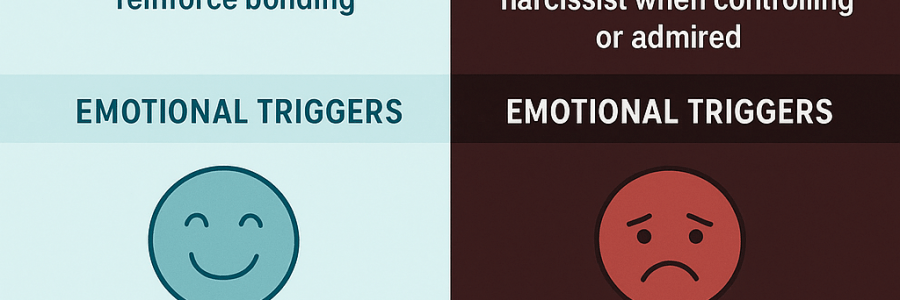
Psychological Perspective
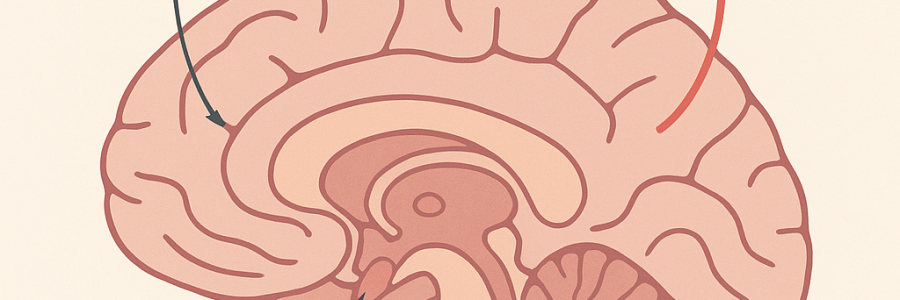
Neuroscience Perspective Key Takeaways
🚩 When to Decide It’s Not Right Psychology and neuroscience agree on a few key “point of no return” markers: 1. Repeated Betrayal 2. Erosion of Trust 3. Self-Identity is Compromised 4. No Genuine Effort from Them 5. Your Nervous System Knows 🧭 How to Decide Ask yourself three neuroscience-based questions: If the answers point to anxiety, repetition, and dread,… Read More 🧠 Why deciding is so difficult
Life is often described as a journey, and the people we meet along the way shape that journey more than the destinations themselves. Among all relationships, genuine friendships—those rooted in authenticity, trust, and no hidden agenda—are the ones that leave the deepest imprint on our brains and hearts. The Psychology of Genuine Connection At the… Read More Genuine Friendships: The Neuroscience and Psychology of Trust Without Agendas
🔹 1. Psychology Behind the Mask 🔹 2. Neuroscience of Pretending Pretending is not effortless — it lights up specific brain systems: 🔹 3. The Impact on You 🔹 4. How to Protect Yourself ✅ Bottom Line:Meeting someone who pretends to be what they’re not activates their prefrontal cortex (to manage deception) and your stress and bonding systems (as… Read More When You Meet Someone Pretending to Be Something They’re Not
1. The Psychology of Pretending When you meet someone who presents a fake persona, you are encountering a form of impression management. This is the psychological strategy of controlling how others perceive you. At its mildest, it’s harmless social adaptation (smiling politely, dressing well). But when it becomes exaggerated or manipulative, it’s deception. 2. Neuroscience of Deception Pretending… Read More The Master of Bullshit: Why People Pretend to Be What They’re Not
A Psychological & Neuroscience Perspective Time is the one thing we can never get back. Who we spend it with—and how we spend it—shapes our mental health, emotional wellbeing, and even our brain chemistry. Too often, people stay in relationships where their needs and joys are ignored, hoping that companionship alone will fill the void.… Read More Choosing Joy: Why It’s Better to Be Alone Than With the Wrong Person
1. The Psychological Message 2. The Neuroscience Behind It 3. The Pathological Layer Chronic behavior like this can point to deeper issues: 4. The Clear Message to You This behavior communicates: 5. Why It Hurts You Neurologically When you witness this: 👉 Bottom Line:When a man constantly looks at other women and makes sexual comments, it’s… Read More What It Means When a Partner Constantly Looks at Other Women and Makes Sexual Comments
Self-worth, boundaries, and brain chemistry. Here’s how psychology and neuroscience explain why keeping your standards high matters, and why asking “can they afford me?” isn’t just about money — it’s about energy, respect, and emotional investment. 💎 1. Why Standards Matter (Psychology) 🧠 2. Neuroscience of Standards 💼 3. “Can They Afford You?” Beyond Money This question… Read More High Standards
Here’s a practical psychology + neuroscience-based guide to creating the right atmosphere for a first date—so it feels natural, enjoyable, and leaves a lasting positive impression: 🌟 1. Where to Go The brain remembers experiences better when they are tied to novelty, safety, and good emotions. 👗 2. What to Wear First impressions are formed within 7 seconds,… Read More First Dates
Let’s unpack this from a psychology and neuroscience perspective. The idea that “you will know when it feels right” and that you shouldn’t have to beg for breadcrumbs isn’t just a cliché—it reflects how our brains respond to healthy vs. unhealthy relational dynamics. 1. The Brain on Healthy Connection When a relationship feels “right,” several brain systems are aligned:… Read More Shouldn’t have to beg for breadcrumbs